- Your cart is empty
- Continue Shopping

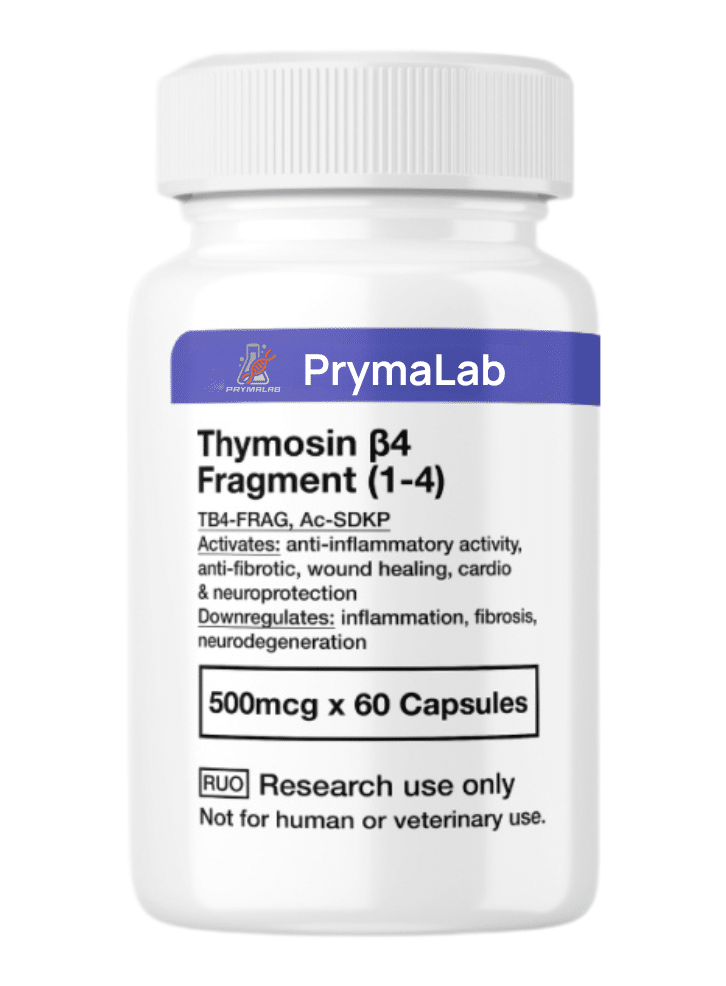
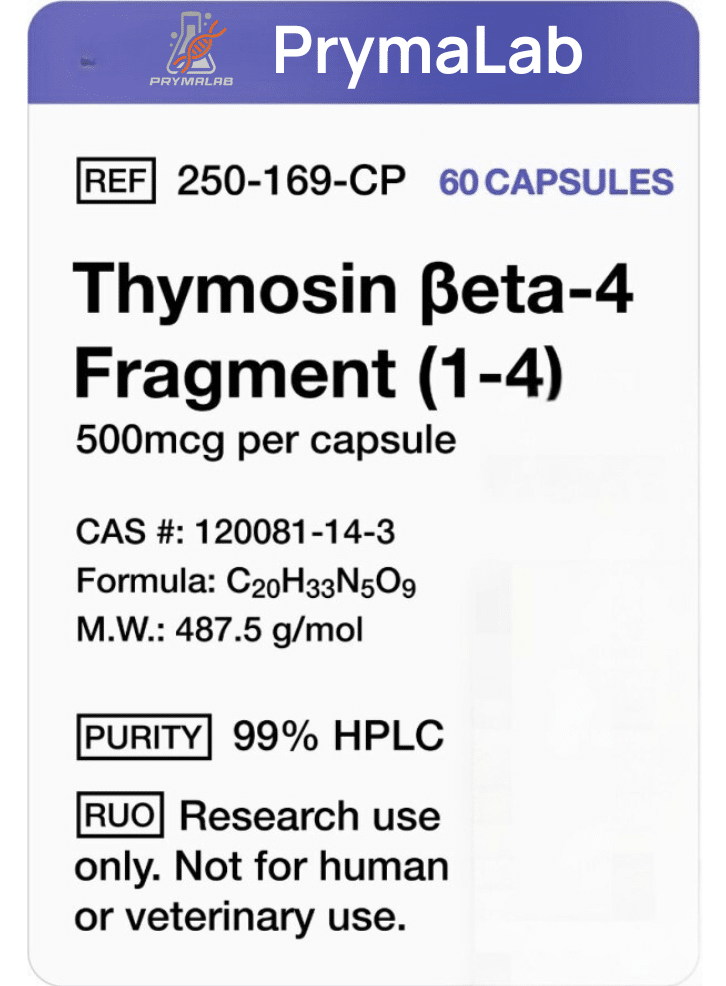
Thymosin Beta-4 Fragment (1-4) (Ac-SDKP) – 500mcg (60 Capsules)
$125.99 / month – $149.99
Ac-SDKP 500mcg capsules – naturally occurring tetrapeptide from thymosin beta-4. Potent anti-inflammatory research compound targeting MEK-ERK signaling, TGF-β modulation, and fibrosis inhibition.
Purchase Type
Choose an option
Add to cart
Buy Now
What is Ac-SDKP?
Ac-SDKP represents a naturally occurring tetrapeptide with significant research potential. This compound functions as N-acetyl-seryl-aspartyl-lysyl-proline. The peptide derives from thymosin beta-4 through enzymatic cleavage. Researchers have identified Ac-SDKP as an endogenous regulator of inflammatory and fibrotic processes.
The tetrapeptide structure consists of four amino acids in a specific sequence. Ac-Ser-Asp-Lys-Pro represents the molecular composition of this bioactive peptide. This structure enables Ac-SDKP to interact with various signaling pathways in biological systems. The molecular weight of 487.5 g/mol allows for efficient distribution in research models.
Ac-SDKP operates through multiple mechanisms in preclinical studies. The peptide modulates MEK-ERK signaling pathways involved in inflammatory responses. Research also demonstrates effects on TGF-β-associated signaling components. These mechanisms make Ac-SDKP valuable for investigating anti-inflammatory and anti-fibrotic processes.
The 500mcg capsule format provides precise dosing control for researchers. Each bottle contains 60 capsules, allowing for extended study protocols. The low-molecular-weight nature of Ac-SDKP facilitates absorption and distribution in experimental systems. Researchers value these properties for controlled investigation of peptide effects.
Understanding Thymosin Beta-4 and Enzymatic Cleavage
Thymosin beta-4 serves as the precursor molecule for Ac-SDKP production. This larger protein undergoes enzymatic processing to generate the active tetrapeptide. Research has identified specific enzymes involved in this cleavage process. Meprin-α and prolyl oligopeptidase play crucial roles in Ac-SDKP generation.
The relationship between thymosin beta-4 and Ac-SDKP extends beyond simple precursor-product dynamics. Thymosin beta-4 demonstrates its own bioactive properties independent of the fragment. However, Ac-SDKP may mediate some effects originally attributed to the full-length protein. This relationship adds complexity to understanding thymosin beta-4 mechanisms.
Angiotensin-converting enzyme contributes to Ac-SDKP metabolism in biological systems. This enzyme regulates peptide levels through degradation processes. The interplay between production and metabolism determines Ac-SDKP concentration in research models. Researchers studying these pathways gain insights into endogenous peptide regulation.
Understanding Ac-SDKP formation helps researchers design effective study protocols. Knowledge of enzymatic pathways allows for manipulation of peptide levels. This approach can reveal specific functions of Ac-SDKP versus thymosin beta-4. Visit the Research Hub to learn more about peptide processing and enzymatic pathways.
Ac-SDKP’s Mechanism of Action in Inflammatory Pathways
Ac-SDKP exerts potent anti-inflammatory effects through multiple signaling pathways. The MEK-ERK pathway represents one primary target for Ac-SDKP action. This pathway regulates cellular responses to inflammatory stimuli. Ac-SDKP modulates MEK-ERK signaling to reduce inflammatory mediator production.
Research demonstrates Ac-SDKP’s influence on macrophage activity and function. The peptide affects macrophage-linked transcriptional regulation in experimental systems. Macrophages play crucial roles in initiating and resolving inflammatory responses. Ac-SDKP helps regulate these immune cell functions through specific signaling interactions.
TGF-β signaling represents another key pathway modulated by Ac-SDKP. Transforming growth factor beta drives fibrotic processes in various tissues. Ac-SDKP inhibits TGF-β-induced fibroblast differentiation in preclinical studies. This mechanism underlies the peptide’s anti-fibrotic properties observed in research models.
The peptide also influences cytokine-associated pathways in inflammatory responses. Ac-SDKP modulates production of pro-inflammatory and anti-inflammatory mediators. This balanced regulation helps maintain appropriate immune responses. Researchers study these effects to understand inflammatory resolution mechanisms.
Oxidative stress pathways interact with Ac-SDKP signaling in experimental models. The peptide influences redox-sensitive signaling cascades involved in tissue damage. Ac-SDKP may protect against oxidative stress-induced cellular injury. This protective effect extends to hypertension-induced target organ damage observed in studies.
Research Applications in Cardiovascular Protection
Ac-SDKP shows significant promise in cardiovascular research applications. Preclinical studies demonstrate protective effects on cardiac tissue and function. The peptide inhibits cardiac fibroblast differentiation into myofibroblasts. This process reduces excessive fibrotic tissue formation in the heart.
Studies on acute myocardial infarction reveal Ac-SDKP’s potential benefits. Research indicates decreased mortality and reduced cardiac rupture after heart attack. The peptide may improve tissue remodeling following cardiac injury. These effects support investigation of Ac-SDKP for post-infarction recovery protocols.
Hypertension-induced target organ damage responds to Ac-SDKP administration in animal models. The peptide protects heart, kidney, and vascular tissues from hypertensive damage. Novel anti-inflammatory mechanisms contribute to these protective effects. Ac-SDKP reduces inflammatory cell infiltration and tissue damage in hypertensive models.
Vascular research applications include studying blood vessel protection and remodeling. Ac-SDKP influences vascular-associated cell populations in experimental systems. The peptide may help maintain vascular integrity under stress conditions. These properties make it valuable for hypertension and vascular disease research.
Researchers investigate Ac-SDKP for potential applications in heart failure models. The anti-fibrotic effects may prevent adverse cardiac remodeling. Fibrotic tissue accumulation contributes to heart failure progression. Ac-SDKP’s inhibition of fibrosis offers a mechanistic approach to studying heart failure prevention.
Anti-Fibrotic Properties and Fibrosis Research
Fibrosis represents excessive deposition of fibrotic tissue in organs. This process follows tissue injury and impairs normal organ function. Ac-SDKP demonstrates potent anti-fibrotic effects across multiple research models. The peptide targets fundamental fibrotic pathways to prevent excessive tissue scarring.
TGF-β signaling drives the fibrotic response in most tissues. This growth factor stimulates fibroblast activation and differentiation. Activated fibroblasts transform into myofibroblasts that produce collagen and extracellular matrix. Ac-SDKP inhibits this differentiation process in preclinical studies.
Cardiac fibrosis research incorporates Ac-SDKP to study anti-fibrotic interventions. Excessive cardiac fibrosis impairs heart function and contributes to heart failure. Ac-SDKP reduces cardiac fibroblast activation and collagen production in experimental models. These effects help maintain heart tissue elasticity and function.
Renal fibrosis represents another important research application area. Kidney fibrosis progresses to chronic kidney disease in various conditions. Ac-SDKP may protect renal tissue from fibrotic changes in hypertension models. The peptide’s effects on renal meprin-α contribute to these protective mechanisms.
Pulmonary fibrosis research also utilizes Ac-SDKP to investigate therapeutic approaches. Lung fibrosis impairs respiratory function and remains difficult to treat. Ac-SDKP’s modulation of inflammatory and fibrotic pathways offers research value. Studies explore whether Ac-SDKP can prevent or reverse pulmonary fibrosis progression.
Extracellular matrix remodeling represents a key process in fibrosis development. Ac-SDKP influences extracellular matrix regulators in experimental systems. The peptide helps maintain appropriate matrix composition and turnover. This regulatory function prevents pathological matrix accumulation characteristic of fibrosis.
Immune Modulation and Macrophage Activity
Ac-SDKP demonstrates significant immunomodulatory properties in preclinical studies. The peptide influences various immune cell populations and functions. Macrophage activity represents a primary target for Ac-SDKP’s immunomodulatory effects. These cells play central roles in inflammation initiation and resolution.
Macrophages exist in different activation states with distinct functions. Pro-inflammatory M1 macrophages drive inflammatory responses. Anti-inflammatory M2 macrophages promote tissue repair and resolution. Ac-SDKP may influence macrophage polarization toward beneficial phenotypes in research models.
Cytokine production by immune cells responds to Ac-SDKP administration. The peptide modulates both pro-inflammatory and anti-inflammatory cytokine levels. This balanced regulation helps maintain appropriate immune responses. Researchers study these effects to understand inflammatory resolution mechanisms.
Immune cell signaling pathways interact with Ac-SDKP in complex ways. The peptide influences transcriptional regulation in macrophages and other immune cells. These effects alter gene expression patterns related to inflammation and tissue repair. Ac-SDKP’s immunomodulatory properties stem from these transcriptional effects.
Autoimmune and chronic inflammatory conditions represent potential research applications. Ac-SDKP’s anti-inflammatory mechanisms may help control excessive immune activation. Studies explore applications in models of inflammatory bowel disease and arthritis. The peptide’s multi-pathway approach offers advantages for complex inflammatory conditions.
Oxidative Stress and Redox Signaling
Oxidative stress contributes to tissue damage in numerous pathological conditions. Reactive oxygen species damage cellular components and trigger inflammatory responses. Ac-SDKP influences oxidative stress-associated molecular pathways in preclinical studies. The peptide may protect against oxidative stress-induced tissue injury.
Redox-sensitive signaling cascades interact with Ac-SDKP in experimental models. These pathways regulate cellular responses to oxidative stress. Ac-SDKP modulates redox signaling to maintain cellular homeostasis. This protective effect helps preserve tissue function under oxidative stress conditions.
Antioxidant defenses interact with Ac-SDKP signaling in biological systems. The peptide may enhance endogenous antioxidant enzyme activities. These enzymes neutralize reactive oxygen species and protect cellular components. Ac-SDKP’s effects on oxidative stress extend beyond direct antioxidant activity.
Mitochondrial function represents another target for Ac-SDKP’s protective effects. Mitochondria produce reactive oxygen species as byproducts of energy metabolism. Ac-SDKP may help maintain mitochondrial function under stress conditions. Improved mitochondrial health reduces oxidative stress and cellular damage.
Researchers study Ac-SDKP’s effects on age-related oxidative stress accumulation. Aging tissues experience increased oxidative damage and impaired antioxidant defenses. Ac-SDKP’s antioxidant properties may help mitigate age-related tissue damage. These applications connect with broader research on aging and longevity.
Dosage Protocols and Administration
Ac-SDKP dosing requires careful consideration based on research objectives. The 500mcg capsule strength provides flexibility in protocol design. Research protocols typically utilize dosages ranging from 500mcg to 2mg daily. The 60-capsule bottle supports various dosing strategies for extended studies.
Frequency of administration depends on specific research goals. Some protocols recommend once-daily dosing for sustained effects. Others utilize divided doses throughout the day for more consistent exposure. The capsule format allows flexible timing based on study design requirements.
Timing of administration may influence research outcomes in certain studies. Morning administration may provide daytime protection against inflammatory triggers. Evening dosing could support tissue repair processes occurring during sleep. Optimal timing depends on the specific biological processes under investigation.
Capsule administration offers convenient oral delivery of Ac-SDKP. The 500mcg strength provides precise dose control compared to liquid preparations. Oral bioavailability allows systemic administration without injection requirements. Researchers can easily track compliance with capsule-based protocols.
Research protocols should consider individual variations in response. Factors such as age, health status, and baseline inflammation may affect dosing requirements. Researchers must establish appropriate inclusion criteria and monitor responses. Use our Peptide Calculator to determine optimal dosing for your research protocol.
Ac-SDKP Safety Profile and Side Effects
Preclinical research on Ac-SDKP suggests a favorable safety profile. The peptide occurs naturally in biological systems as an endogenous regulator. Endogenous production suggests tolerance for exogenous administration in appropriate amounts. However, comprehensive human safety data remains limited due to the research stage.
Animal studies demonstrate minimal adverse effects at research dosages. The peptide’s natural occurrence may contribute to its favorable safety profile. However, researchers should monitor for potential immune responses or allergic reactions. These effects have not been widely reported but require consideration in study design.
Blood pressure effects may merit monitoring in certain research designs. Ac-SDKP’s relationship with angiotensin-converting enzyme could influence blood pressure regulation. Studies investigating cardiovascular endpoints should track hemodynamic parameters. Significant blood pressure changes have not been consistently observed but warrant monitoring.
Long-term safety data remains an area requiring further investigation. Chronic administration protocols need comprehensive safety evaluation. Researchers track both expected benefits and unexpected adverse effects over extended periods. The 60-capsule bottle format supports longer-term studies with appropriate safety monitoring.
Contraindications and precautions require consideration in research design. Subjects with certain medical conditions may require exclusion criteria. Medication interactions should be evaluated before study enrollment. Pregnancy and breastfeeding represent standard exclusion criteria for peptide research protocols.
Combination Protocols with Peptide Compounds
Ac-SDKP may be combined with other research peptides for enhanced effects. Combination approaches can target multiple pathways simultaneously. This strategy may provide synergistic benefits beyond single-peptide administration in research models.
Healing peptides like BPC-157 complement Ac-SDKP’s anti-inflammatory properties. BPC-157 supports tissue repair and angiogenesis through different mechanisms. Combining these peptides may provide comprehensive support for tissue healing. The combination addresses both inflammation resolution and tissue regeneration.
Copper peptides like GHK-Cu offer additional benefits for tissue repair. GHK-Cu promotes extracellular matrix remodeling and wound healing. These properties complement Ac-SDKP’s anti-fibrotic effects by supporting appropriate matrix turnover. The combination may optimize tissue repair processes in research models.
Metabolic support peptides like MOTS-C 40mg may enhance cellular energy production. Improved mitochondrial function supports tissue repair and reduces oxidative stress. MOTS-C’s effects on glucose metabolism complement Ac-SDKP’s anti-inflammatory actions. This combination addresses both energy metabolism and inflammation regulation.
NAD+ boosters like NAD+ 1000mg support cellular repair processes. NAD+ participates in numerous enzymatic reactions including those involved in DNA repair. Enhanced NAD+ levels may support tissue regeneration and reduce oxidative damage. This combination addresses cellular repair mechanisms alongside Ac-SDKP’s anti-fibrotic effects.
Combination protocols require careful consideration of dosing and timing. Researchers must evaluate potential interactions between peptides. Separate administration times may optimize absorption and minimize potential competition. The 500mcg capsule format facilitates precise combination dosing protocols for research studies.
Comparison to Full-Length Thymosin Beta-4
Ac-SDKP and thymosin beta-4 share important but distinct properties. The full-length protein contains 43 amino acids and demonstrates diverse bioactivities. Ac-SDKP represents a specific fragment with focused effects on inflammation and fibrosis. Understanding these differences helps researchers choose appropriate compounds for specific studies.
Thymosin beta-4 demonstrates broader effects beyond anti-inflammatory actions. The protein influences actin regulation, cell migration, and wound healing processes. These effects stem from mechanisms distinct from Ac-SDKP’s pathway modulation. Researchers may use thymosin beta-4 for comprehensive tissue repair investigations.
Ac-SDKP offers more targeted effects on specific signaling pathways. The tetrapeptide focuses on MEK-ERK, TGF-β, and inflammatory pathways. This specificity allows precise investigation of particular mechanisms. Researchers studying fibrosis or inflammation may prefer Ac-SDKP’s targeted approach.
Pharmacokinetic properties differ between the two compounds. Thymosin beta-4 may have different absorption and distribution characteristics. Ac-SDKP’s lower molecular weight may influence tissue penetration and clearance. These differences affect dosing protocols and administration timing in research studies.
Research investigating whether Ac-SDKP mediates thymosin beta-4 effects continues. Some properties attributed to full-length protein may actually result from the fragment. Understanding these relationships clarifies the active components in thymosin beta-4 effects. This knowledge helps refine research approaches using these peptides.
Future Research Directions and Applications
Ac-SDKP continues to be a subject of active research across multiple domains. Cardiovascular applications represent a primary focus of current investigations. Researchers explore therapeutic potential for heart failure, hypertension, and post-infarction recovery. The peptide’s anti-fibrotic properties offer promise for preventing adverse cardiac remodeling.
Chronic inflammatory conditions represent another important research area. Ac-SDKP’s multi-pathway approach may benefit complex inflammatory diseases. Studies investigate applications in inflammatory bowel disease, arthritis, and autoimmune conditions. The peptide’s balanced modulation of immune responses offers therapeutic potential.
Organ fibrosis research extends beyond cardiac applications. Ac-SDKP’s anti-fibrotic effects may apply to liver, lung, and kidney fibrosis. Each organ presents unique challenges and research questions. The peptide’s fundamental effects on TGF-β signaling suggest broad anti-fibrotic applications across organ systems.
Aging research incorporates Ac-SDKP to study age-related tissue changes. Chronic low-grade inflammation contributes to age-related functional decline. Ac-SDKP’s anti-inflammatory properties may help mitigate these effects. Studies explore whether the peptide can preserve tissue function during aging.
Mechanistic research continues to deepen understanding of Ac-SDKP actions. While MEK-ERK and TGF-β pathways are well-established, additional mechanisms may contribute. Studies explore downstream signaling cascades and transcriptional effects. This research may reveal additional benefits and applications for the peptide.
Clinical translation remains a long-term goal for Ac-SDKP research. Preclinical results support continued investigation of therapeutic potential. However, comprehensive clinical trials are needed to establish safety and efficacy in humans. Current research focuses on understanding mechanisms and optimizing applications for eventual clinical development.
Frequently Asked Questions
1. What is Ac-SDKP and how does it work as an anti-inflammatory peptide?
Ac-SDKP (N-acetyl-seryl-aspartyl-lysyl-proline) is a naturally occurring tetrapeptide derived from thymosin beta-4 through enzymatic cleavage. The peptide works primarily through modulation of MEK-ERK signaling pathways and TGF-β-associated components. Ac-SDKP inhibits cardiac fibroblast differentiation into myofibroblasts, reducing excessive fibrotic tissue formation. The peptide also influences macrophage activity and cytokine production, creating a balanced inflammatory response. These mechanisms make Ac-SDKP valuable for studying anti-inflammatory and anti-fibrotic processes in preclinical research models.
2. What are the primary research applications of Ac-SDKP peptides?
Ac-SDKP demonstrates significant research potential across multiple domains including cardiovascular protection, anti-fibrotic interventions, and immune modulation. Studies investigate the peptide’s ability to protect against hypertension-induced target organ damage, reduce cardiac fibrosis, and decrease mortality after acute myocardial infarction. Anti-fibrotic applications span cardiac, renal, pulmonary, and hepatic fibrosis models. Immune modulation research focuses on macrophage activity regulation and cytokine balance. Additional applications include oxidative stress studies and age-related inflammatory research.
3. What is the recommended Ac-SDKP dosage for research studies?
Most research protocols utilize Ac-SDKP dosages ranging from 500mcg to 2mg daily. The 500mcg capsule strength provides flexibility in protocol design, allowing researchers to adjust dosing based on study objectives. Frequency of administration varies from once daily to divided doses throughout the day depending on research goals. The 60-capsule bottle provides up to 60 days of supply at lower dosing protocols. Always consult established research protocols and use our Peptide Calculator to determine optimal dosing for your specific study design.
4. How does Ac-SDKP compare to full-length thymosin beta-4 in research applications?
Ac-SDKP represents a specific fragment of thymosin beta-4 with more targeted effects. While full-length thymosin beta-4 demonstrates broader bioactivities including actin regulation and cell migration, Ac-SDKP focuses specifically on anti-inflammatory and anti-fibrotic pathways through MEK-ERK and TGF-β modulation. The tetrapeptide’s lower molecular weight may influence pharmacokinetic properties compared to the full 43-amino acid protein. Researchers studying specific fibrotic or inflammatory mechanisms may prefer Ac-SDKP’s targeted approach, while comprehensive tissue repair studies might utilize thymosin beta-4.
5. What are the potential side effects of Ac-SDKP in research studies?
Preclinical research suggests Ac-SDKP has a favorable safety profile at appropriate research dosages. The peptide occurs naturally as an endogenous regulator, which may contribute to its tolerance. Potential effects to monitor include mild immune responses or allergic reactions, though these have not been widely reported. Blood pressure monitoring may be appropriate in cardiovascular studies due to Ac-SDKP’s relationship with angiotensin-converting enzyme. Long-term safety data remains an area requiring further investigation. Researchers should implement comprehensive safety monitoring for extended protocols.
6. Can Ac-SDKP be combined with other research peptides like BPC-157 or GHK-Cu?
Yes, Ac-SDKP may be combined with other research peptides to target multiple pathways simultaneously. Combining with BPC-157 provides comprehensive support addressing both inflammation resolution and tissue regeneration through different mechanisms. GHK-Cu complements Ac-SDKP’s anti-fibrotic effects by supporting extracellular matrix remodeling and angiogenesis. MOTS-C 40mg adds metabolic support through improved mitochondrial function and glucose metabolism. NAD+ 1000mg supports cellular repair processes alongside Ac-SDKP’s anti-inflammatory actions.
7. What is the mechanism of action for Ac-SDKP in cardiovascular protection?
Ac-SDKP exerts cardiovascular protection through multiple mechanisms. The peptide inhibits TGF-β1-induced differentiation of cardiac fibroblasts into myofibroblasts, reducing excessive collagen deposition and fibrosis. Ac-SDKP modulates MEK-ERK signaling pathways involved in inflammatory responses in cardiac tissue. The peptide protects against hypertension-induced target organ damage by reducing inflammatory cell infiltration and tissue damage. Studies show Ac-SDKP decreases mortality and cardiac rupture after acute myocardial infarction, suggesting benefits in post-infarction tissue remodeling and recovery.
8. How does Ac-SDKP influence fibrotic pathways in research models?
Ac-SDKP targets fundamental fibrotic pathways to prevent excessive tissue scarring. The primary mechanism involves inhibition of TGF-β signaling, which drives fibroblast activation and differentiation. Ac-SDKP prevents cardiac fibroblasts from transforming into collagen-producing myofibroblasts. The peptide also influences extracellular matrix regulators to maintain appropriate matrix composition and turnover. These effects have been demonstrated in cardiac, renal, and pulmonary fibrosis models. Ac-SDKP’s ability to modulate inflammatory cytokines further contributes to its anti-fibrotic properties.
9. What are the storage requirements for Ac-SDKP 500mcg capsules?
Ac-SDKP capsules should be stored in a cool, dry location away from direct sunlight to maintain potency and stability. Room temperature storage (15-25°C or 59-77°F) is typically adequate for short-term use during active research protocols. For longer storage periods, refrigeration (2-8°C or 36-46°F) may help extend shelf life and preserve peptide integrity. Always keep capsules in their original container with the lid tightly closed to protect from moisture and humidity. Avoid storing in bathrooms or other humid environments. Do not freeze the capsules. Check expiration dates and discard capsules showing signs of degradation.
10. How long does Ac-SDKP remain effective in research studies?
Research suggests Ac-SDKP’s effects may develop over days to weeks of consistent administration. The peptide’s effects on signaling pathways and cellular processes require time to manifest fully. Some studies report measurable effects on inflammatory markers within the first week of treatment, while anti-fibrotic benefits may require 2-4 weeks of consistent administration. The effects appear to persist with ongoing administration, suggesting need for continued dosing in chronic condition models. Research protocols should account for this gradual onset when designing study timelines and outcome measurement schedules.
11. What enzymes are involved in Ac-SDKP production and metabolism?
Research has identified specific enzymes involved in Ac-SDKP processing. Meprin-α and prolyl oligopeptidase play crucial roles in generating Ac-SDKP from thymosin beta-4 through enzymatic cleavage. These enzymes determine the rate of Ac-SDKP production in biological systems. Angiotensin-converting enzyme contributes to Ac-SDKP metabolism and degradation, regulating peptide levels. This enzymatic interplay between production and metabolism determines Ac-SDKP concentration in research models. Understanding these pathways helps researchers manipulate peptide levels and investigate specific functions of Ac-SDKP versus thymosin beta-4.
12. What makes Ac-SDKP unique among anti-inflammatory research peptides?
Ac-SDKP’s uniqueness stems from its natural occurrence as an endogenous regulatory peptide and its multi-pathway approach to inflammation and fibrosis. Unlike synthetic anti-inflammatory compounds, Ac-SDKP occurs naturally in biological systems and participates in physiological regulation of inflammatory responses. The peptide simultaneously modulates MEK-ERK signaling, TGF-β pathways, macrophage activity, and cytokine production. This comprehensive approach targets multiple aspects of inflammation and fibrosis rather than single pathways. Ac-SDKP’s role as a thymosin beta-4 fragment with distinct bioactivity adds to its research value for understanding endogenous regulatory mechanisms.
Additional Information
| Weight | N/A |
|---|---|
| Dimensions | N/A |
Only logged in customers who have purchased this product may leave a review.
Related products
Hot
Epitalon 50mg
$124.99 / month – $1,059.99
Select options
This product has multiple variants. The options may be chosen on the product page
Survodutide 10mg
$58.99 / month – $499.99
Select options
This product has multiple variants. The options may be chosen on the product page
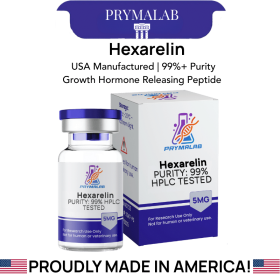
Hexarelin 5mg
$37.99 / month – $319.99
Select options
This product has multiple variants. The options may be chosen on the product page
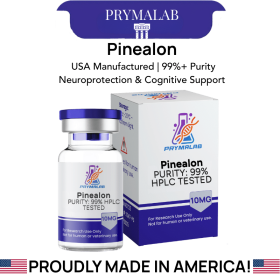
Pinealon 10mg
$33.99 / month – $288.99
Select options
This product has multiple variants. The options may be chosen on the product page
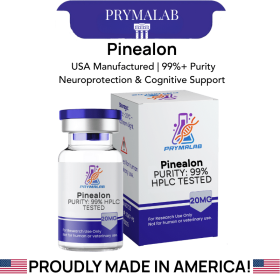
Pinealon 20mg
$58.99 / month – $499.99
Select options
This product has multiple variants. The options may be chosen on the product page
Hot
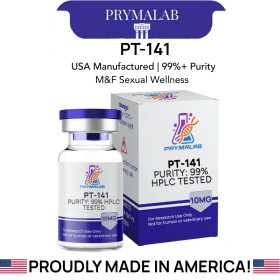
PT-141 (Bremelanotide) (Vyleesi) 10mg
$34.99 / month – $269.99
Select options
This product has multiple variants. The options may be chosen on the product page
Hot
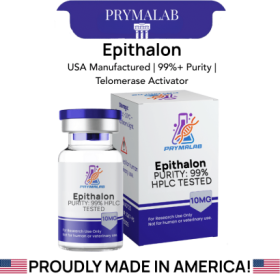
Epitalon 10mg
$24.99 / month – $209.99
Select options
This product has multiple variants. The options may be chosen on the product page
Hot
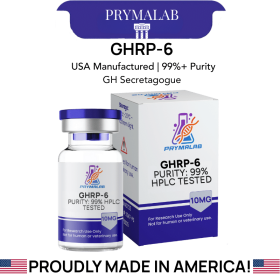
GHRP-6 10mg
$23.99 / month – $199.99
Select options
This product has multiple variants. The options may be chosen on the product page
Reviews
There are no reviews yet.