$49.99 / month – $423.99
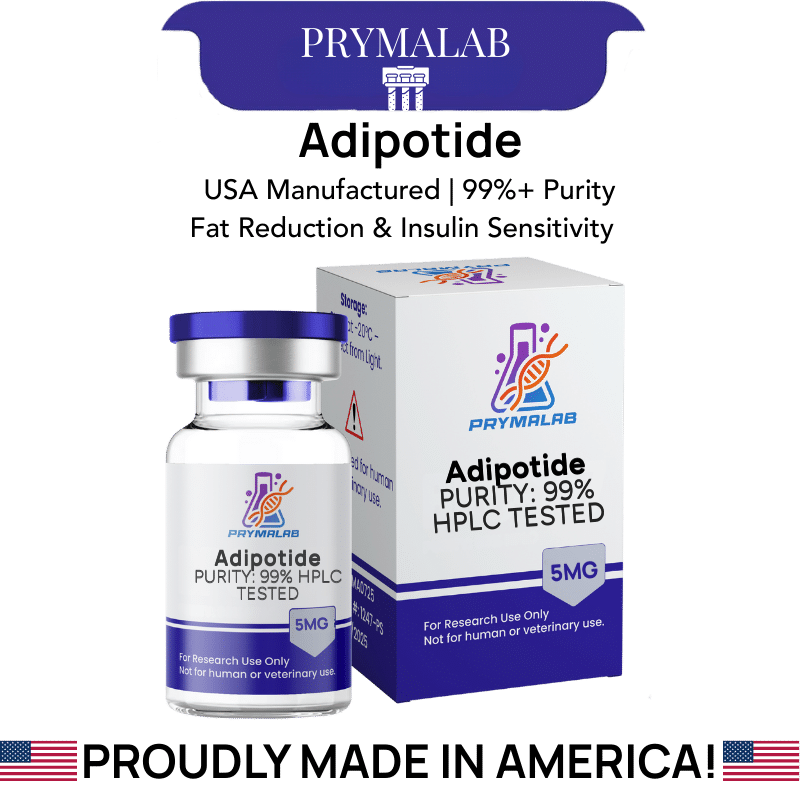
Buy Adipotide peptide for fat loss research. This 5mg pharmaceutical-grade FTPP (Fat-Targeted Proapoptotic Peptide) targets blood vessels feeding fat cells for direct fat reduction. 98%+ purity, third-party tested, vascular-targeting mechanism.
When researchers buy Adipotide peptide for fat loss research, they’re obtaining a truly revolutionary compound that represents a paradigm shift in how we approach obesity and fat reduction. Unlike traditional fat loss interventions that work through hormonal manipulation, metabolic stimulation, or appetite suppression, Adipotide (also known as FTPP – Fat-Targeted Proapoptotic Peptide) employs a completely unique mechanism: it targets and destroys the blood vessels that feed fat tissue, effectively starving fat cells of their nutrient supply and causing them to die and be naturally cleared by the body.
This vascular-targeting approach was developed through cutting-edge research at the MD Anderson Cancer Center and Barshop Institute for Longevity and Aging Studies, where scientists sought to create a compound that could selectively target adipose tissue without affecting other organs or systems. The result is a synthetic peptide consisting of two functional sequences: a targeting peptide that binds specifically to blood vessels supplying white adipose tissue, and a pro-apoptotic sequence that triggers cell death in those targeted vessels. This dual-action design provides the selectivity and potency that make Adipotide unique in fat loss research.
The landmark preclinical research demonstrating Adipotide’s effects was published in Science Translational Medicine, showing that obese rhesus monkeys treated with Adipotide lost an average of 11% of their body weight over just 4 weeks, with significant improvements in insulin sensitivity and metabolic parameters. These dramatic results, achieved without changes in food intake or activity levels, captured the attention of the obesity research community and established Adipotide as a valuable tool for investigating vascular-based approaches to fat reduction.
This comprehensive guide provides researchers with detailed information about Adipotide’s mechanisms, applications, dosing protocols, safety considerations, and quality specifications. Whether you’re investigating fundamental adipose tissue biology, exploring novel therapeutic strategies for obesity, or studying the relationship between fat mass and metabolic health, understanding how to properly buy Adipotide peptide for fat loss research is essential for conducting rigorous, reproducible scientific investigations.
To fully appreciate why researchers buy Adipotide peptide for fat loss research, it’s essential to understand the compound’s unique vascular-targeting mechanism and how it differs fundamentally from all other approaches to fat reduction. This mechanism represents years of research into adipose tissue biology, angiogenesis, and targeted drug delivery.
The Dual-Sequence Design
Adipotide’s molecular architecture consists of two distinct functional domains connected by a linker sequence. The first domain is the targeting peptide (CKGGRAKDC), which was specifically designed to recognize and bind to prohibitin, a protein that becomes surface-expressed on endothelial cells lining blood vessels in white adipose tissue. Under normal circumstances, prohibitin is a mitochondrial protein involved in cellular metabolism and signaling. However, in the unique microenvironment of adipose tissue vasculature, prohibitin translocates to the cell surface where it can be recognized by the targeting peptide.
This surface expression of prohibitin appears to be specific to adipose tissue vasculature, with 5-10 fold higher levels compared to blood vessels in other organs. The molecular mechanisms driving this differential expression are not completely understood but may relate to the inflammatory state, metabolic stress, or unique signaling environment of adipose tissue. Regardless of the underlying cause, this differential expression provides the molecular basis for Adipotide’s selectivity when researchers buy Adipotide peptide for fat loss research.
The second domain is the pro-apoptotic sequence (D-KLAKLAK)₂, which triggers programmed cell death (apoptosis) once the peptide has bound to its target. This sequence is composed of alternating lysine (K) and leucine (L) residues in a D-amino acid configuration. The D-amino acids provide resistance to enzymatic degradation by proteases, significantly extending the peptide’s half-life and biological activity. The alternating charged (lysine) and hydrophobic (leucine) residues create an amphipathic structure that can insert into and disrupt mitochondrial membranes, triggering the intrinsic apoptotic pathway.
The Vascular-Targeting Process
When Adipotide is administered, it circulates in the bloodstream and encounters blood vessels throughout the body. However, only vessels expressing surface prohibitin – primarily those supplying white adipose tissue – can bind the targeting peptide sequence. This binding is highly specific, with dissociation constants in the nanomolar range, ensuring tight and selective attachment to target vessels.
Once bound to prohibitin on adipose tissue endothelial cells, the pro-apoptotic domain penetrates the cell membrane and localizes to mitochondria. The amphipathic structure of the (D-KLAKLAK)₂ sequence allows it to insert into mitochondrial membranes, disrupting membrane potential and triggering cytochrome c release. This initiates the caspase cascade, leading to programmed cell death of the endothelial cells.
As endothelial cells die, the structural integrity of blood vessels is compromised. The vessels begin to collapse and can no longer maintain blood flow to the adipose tissue they supply. This process occurs over hours to days, with progressive vessel regression and loss of vascular supply to fat tissue. Research using imaging techniques has documented this vascular regression in real-time, showing dramatic reductions in blood vessel density within adipose tissue following Adipotide treatment.
Fat Cell Death and Clearance
Deprived of their blood supply, adipocytes (fat cells) can no longer receive oxygen and nutrients necessary for survival. This ischemic stress triggers apoptosis in the fat cells themselves, leading to their programmed death and breakdown. Unlike necrotic cell death, which causes inflammation and tissue damage, apoptotic cell death is a controlled process that allows for clean removal of dead cells without inflammatory responses.
The dead adipocytes are recognized and cleared by macrophages and other immune cells through a process called efferocytosis. These immune cells engulf and digest the apoptotic fat cells, breaking down the stored triglycerides and releasing the fatty acids for metabolism elsewhere in the body. This clearance process occurs over days to weeks, with progressive shrinkage of the affected adipose tissue depots.
Importantly, the fat loss induced when researchers buy Adipotide peptide for fat loss research is not simply a temporary reduction in fat cell size (as occurs with diet or exercise), but actual elimination of fat cells. This reduction in adipocyte number may have more durable effects, as regaining fat would require generation of new fat cells (adipogenesis) rather than simply refilling existing cells.
Selectivity and Safety Implications
The selectivity of Adipotide’s mechanism has critical implications for its safety profile in research. Because the targeting peptide only binds to vessels expressing surface prohibitin, and this expression is largely restricted to adipose tissue vasculature, Adipotide’s effects are confined to fat tissue. Preclinical research has demonstrated that blood vessels in vital organs (heart, brain, liver, kidneys) show minimal Adipotide binding and no evidence of vascular damage or apoptosis.
This selectivity distinguishes Adipotide from systemic approaches to fat loss that affect the entire body. When researchers buy Adipotide peptide for fat loss research, they’re investigating a compound that acts locally on adipose tissue while sparing other systems. This targeted approach may offer advantages in terms of safety and tolerability compared to systemic interventions.
However, the vascular-targeting mechanism also raises important considerations. Any intervention that disrupts blood vessels, even selectively, requires careful monitoring and appropriate safety precautions. The preclinical research that established Adipotide’s effects also identified potential concerns, including temporary effects on kidney function (likely due to increased metabolic load from fat cell breakdown) and the theoretical risk of affecting other tissues if prohibitin expression patterns change under certain conditions.
When researchers buy Adipotide peptide for fat loss research, they’re building on a foundation of published preclinical studies that have characterized the compound’s effects, mechanisms, and safety profile. Understanding this evidence base is essential for designing rigorous research protocols and interpreting results.
The Landmark Rhesus Monkey Study
The most significant preclinical research on Adipotide was published in Science Translational Medicine in 2011, reporting results from obese rhesus monkeys treated with the peptide. This study is particularly important because rhesus monkeys are considered the most clinically relevant preclinical model for human obesity, sharing similar physiology, metabolism, and adipose tissue distribution patterns with humans.
The study enrolled obese rhesus monkeys (body weight 13-15 kg, approximately 30-40% above ideal weight) and treated them with Adipotide at doses of 5-10 mg/kg every other day for 4 weeks. Control animals received vehicle injections on the same schedule. The results were dramatic:
Weight Loss Effects:
Body Composition Changes:
Metabolic Improvements:
Vascular and Histological Findings:
Safety Observations:
This landmark study established Adipotide as a viable research tool for investigating vascular-based approaches to fat loss and provided the foundation for subsequent research when scientists buy Adipotide peptide for fat loss research.
Mouse and Rat Studies
Additional preclinical research in rodent models has further characterized Adipotide’s effects and mechanisms:
Diet-Induced Obesity Models: Research in mice fed high-fat diets to induce obesity showed that Adipotide treatment produced:
Genetic Obesity Models: Studies in genetically obese mice (ob/ob and db/db strains) demonstrated:
Mechanistic Studies: Detailed mechanistic investigations in rodent models have revealed:
Comparative Studies
Research comparing Adipotide to other fat loss approaches has provided important context:
Adipotide vs. Caloric Restriction:
Adipotide vs. GLP-1 Agonists:
Adipotide vs. Lipase Inhibitors:
Long-Term Studies
Extended research protocols have examined the durability of Adipotide’s effects:
Maintenance of Weight Loss:
Metabolic Effects:
These long-term studies suggest that when researchers buy Adipotide peptide for fat loss research, they’re investigating a compound with potentially durable effects that extend beyond the treatment period.
When researchers buy Adipotide peptide for fat loss research, understanding how it compares to traditional fat loss approaches helps contextualize its unique value and potential applications. This comparative analysis highlights the fundamental differences in mechanisms and outcomes.
Adipotide vs. Caloric Restriction/Diet
Traditional caloric restriction remains the most common approach to fat loss, but it works through entirely different mechanisms than Adipotide:
Mechanism Differences:
Fat Loss Patterns:
Metabolic Adaptations:
Lean Mass Preservation:
Durability:
Research Applications: When researchers buy Adipotide peptide for fat loss research, they can investigate fat loss independent of energy balance, eliminating confounding variables associated with caloric restriction. This allows for cleaner mechanistic studies of adipose tissue biology.
Adipotide vs. GLP-1 Receptor Agonists
GLP-1 agonists like semaglutide and tirzepatide represent the current state-of-the-art in pharmacological weight loss:
Mechanism Differences:
Weight Loss Magnitude:
Food Intake Effects:
Glycemic Control:
Side Effect Profiles:
Research Applications: Adipotide offers a complementary approach when researchers buy Adipotide peptide for fat loss research, allowing investigation of fat loss through non-hormonal, non-appetite mechanisms. Combination studies with GLP-1 agonists could explore synergistic effects.
Adipotide vs. Thermogenic Agents
Thermogenic compounds (caffeine, ephedrine, thyroid hormones) increase energy expenditure:
Mechanism Differences:
Cardiovascular Effects:
Central Nervous System Effects:
Selectivity:
Research Applications: When researchers buy Adipotide peptide for fat loss research, they can investigate fat loss without the confounding effects of metabolic stimulation or CNS activation, providing cleaner data on adipose tissue biology.
Adipotide vs. Lipase Inhibitors
Lipase inhibitors (orlistat) prevent dietary fat absorption:
Mechanism Differences:
Effect on Existing Fat:
Gastrointestinal Effects:
Nutritional Concerns:
Research Applications: Adipotide offers a completely different approach when researchers buy Adipotide peptide for fat loss research, targeting existing fat stores rather than preventing new fat accumulation.
Adipotide vs. Surgical Interventions
Bariatric surgery (gastric bypass, sleeve gastrectomy) represents the most effective current treatment for severe obesity:
Mechanism Differences:
Invasiveness:
Reversibility:
Weight Loss Magnitude:
Metabolic Effects:
Research Applications: When researchers buy Adipotide peptide for fat loss research, they can investigate pharmacological approaches to fat reduction that might offer alternatives to surgery for certain research applications.
When researchers buy Adipotide peptide for fat loss research, establishing appropriate dosing protocols is essential for achieving reliable, reproducible results while maintaining safety. The following guidelines are based on published preclinical research and represent evidence-based starting points for research protocol development.
Reconstitution Procedures
The first step in using Adipotide involves proper reconstitution of the lyophilized peptide. This 5mg formulation should be reconstituted with bacteriostatic water to create a stable, sterile solution suitable for research applications. The standard reconstitution protocol involves:
Dosing Ranges Based on Research Applications
Preclinical research has employed various Adipotide doses depending on the specific research objectives, animal model, and administration route. When researchers buy Adipotide peptide for fat loss research, the following dosing ranges provide evidence-based starting points:
Low-Dose Protocols (0.5-1.0mg per administration): These doses are typically used for pilot studies, dose-finding experiments, or investigations of minimal effective doses. Research has shown that even low doses of Adipotide can produce measurable effects on adipose tissue vasculature and modest fat loss. Low-dose protocols are appropriate for:
Medium-Dose Protocols (1.0-2.0mg per administration): This range represents the most commonly used doses in published preclinical research and produces robust fat loss effects. The landmark rhesus monkey study used doses in this range (equivalent to 5-10 mg/kg in monkeys). Medium doses reliably produce 8-15% weight loss over 4-8 week treatment periods and are suitable for:
High-Dose Protocols (2.0-2.5mg per administration): Higher doses produce maximal fat loss effects and are used in research seeking to achieve the largest possible fat reduction. These doses can produce 15-20% weight loss but should be used judiciously due to increased peptide consumption and potential for adverse effects. High-dose protocols are appropriate for:
Administration Frequency and Timing
The frequency and timing of Adipotide administration significantly influence research outcomes. When researchers buy Adipotide peptide for fat loss research, they should consider the following scheduling approaches:
Alternate-Day Administration (Most Common): The published rhesus monkey research used alternate-day dosing (every other day), which has become the standard approach. This schedule provides:
Typical protocol: Adipotide administered every other day (Monday, Wednesday, Friday, etc.) for 4-8 weeks
Daily Administration: Some research protocols use daily dosing to maintain more consistent vascular targeting. This approach may produce:
Typical protocol: Adipotide administered once daily for 2-4 weeks
Twice-Weekly Administration: Less frequent dosing (twice weekly) has been explored in some research to reduce peptide consumption while maintaining significant effects. This approach is suitable for:
Typical protocol: Adipotide administered twice weekly (e.g., Monday and Thursday) for 8-12 weeks
Timing Considerations: Unlike peptides that interact with circadian rhythms or meal timing, Adipotide’s vascular-targeting mechanism is largely independent of time of day. However, practical considerations suggest:
Cycle Length and Rest Periods
Preclinical research has established that Adipotide effects are partially reversible, with some weight regain occurring when treatment is discontinued. This informs recommendations for cycle length and rest periods when researchers buy Adipotide peptide for fat loss research:
Typical Cycle Lengths:
Rest Periods: Research suggests that rest periods allow for physiological recovery and assessment of effect durability. Recommended rest periods include:
During rest periods, weight typically increases but often remains below pre-treatment baseline, suggesting some degree of persistent adaptation. Researchers interested in maintaining fat loss during rest periods might consider reduced-frequency maintenance dosing.
Route of Administration Considerations
Adipotide can be administered through multiple routes, each with distinct advantages and considerations:
Subcutaneous Injection (Most Common): The most common route in research, subcutaneous administration involves injecting the reconstituted peptide into the subcutaneous fat layer, typically in the abdominal region. Advantages include:
Intravenous Administration: Some research protocols use intravenous administration to achieve rapid, complete bioavailability. This route is primarily used for:
Intraperitoneal Administration (Rodent Research): In rodent models, intraperitoneal injection is commonly used due to ease of administration and good bioavailability. This route provides:
Monitoring and Assessment
Comprehensive research protocols should include regular monitoring and assessment to track Adipotide effects and ensure research quality. Recommended monitoring parameters include:
Body Composition Measurements:
Metabolic Assessments:
Safety Monitoring:
Vascular and Histological Assessments:
Sample Research Protocol
To illustrate how these dosing principles can be integrated, here’s a sample research protocol for researchers who buy Adipotide peptide for fat loss research:
Objective: Investigate the effects of Adipotide on body composition and metabolic parameters in a diet-induced obesity model
Design: 4-week treatment period with 4-week follow-up
Dosing: 1.5mg Adipotide subcutaneously every other day for 28 days (14 total doses)
Reconstitution: 5mg vial reconstituted with 1mL bacteriostatic water (5mg/mL concentration)
Daily Dose Calculation: 1.5mg = 0.3mL of reconstituted solution
Total Peptide Required: 1.5mg/dose × 14 doses = 21mg total (requiring 5 vials of 5mg each)
Assessment Schedule:
Expected Outcomes: 10-15% reduction in body weight, 20-30% reduction in visceral fat, improved insulin sensitivity, maintained elevation above baseline at 4-week follow-up
This sample protocol demonstrates how researchers can design rigorous, well-controlled studies when they buy Adipotide peptide for fat loss research, incorporating appropriate dosing, monitoring, and assessment procedures to generate reliable, publishable data.
When researchers buy Adipotide peptide for fat loss research, understanding the safety profile and potential considerations is essential for designing ethical, responsible research protocols. While Adipotide is not approved for human use and remains an experimental compound, preclinical research has characterized its safety profile and identified important considerations for research applications.
Preclinical Safety Data
The most comprehensive safety data comes from the published rhesus monkey study and supporting rodent research:
Kidney Function Considerations: The most consistently observed effect in preclinical research involves temporary changes in kidney function markers:
Research Recommendations:
Dehydration Risk: Some research subjects showed signs of mild dehydration:
Research Recommendations:
Organ Function and Histopathology: Comprehensive toxicology assessments have examined major organ systems:
These findings suggest that Adipotide’s effects are specific to adipose tissue vasculature and don’t cause systemic toxicity or organ damage at doses producing significant fat loss.
Vascular Selectivity: Critical safety assessments have examined whether Adipotide affects blood vessels in organs other than adipose tissue:
This vascular selectivity is the key safety feature that makes Adipotide viable for research when scientists buy Adipotide peptide for fat loss research.
Metabolic Effects: Changes in metabolic parameters were generally favorable:
No adverse metabolic effects were observed, suggesting that the metabolic changes resulting from fat loss are beneficial rather than harmful.
Potential Side Effects Observed in Research
While Adipotide has demonstrated a generally favorable safety profile, some potential side effects have been observed in preclinical research:
Injection Site Reactions: Local reactions at injection sites are occasionally reported:
These reactions are typically mild and resolve quickly. Proper injection technique and site rotation can minimize these effects.
Temporary Fatigue: Some research subjects showed signs of reduced activity or fatigue:
This may reflect the metabolic demands of fat tissue breakdown and clearance. Effects were mild and did not interfere with normal behaviors.
Appetite Changes: Unlike appetite-suppressing weight loss drugs, Adipotide generally does not affect food intake. However, some research noted:
Cardiovascular Considerations
An important consideration when researchers buy Adipotide peptide for fat loss research involves cardiovascular effects:
Blood Pressure:
Heart Rate:
Cardiac Function:
These findings suggest that Adipotide does not have direct adverse cardiovascular effects, and the cardiovascular changes observed are beneficial consequences of fat loss.
Long-Term Safety Considerations
Most Adipotide research has examined relatively short-term effects (weeks to months). Long-term safety data (years of continuous use) is limited. When researchers buy Adipotide peptide for fat loss research involving extended treatment periods, they should consider:
Potential Long-Term Concerns:
Research Recommendations for Long-Term Studies:
Contraindications and Precautions
Based on preclinical research, certain situations warrant special caution when researchers buy Adipotide peptide for fat loss research:
Pre-existing Kidney Disease: Models with compromised kidney function may be at higher risk for adverse effects. Research protocols should:
Severe Obesity: While Adipotide is designed for obesity research, extremely obese models may experience:
Dehydration or Volume Depletion: Models with pre-existing dehydration or volume depletion should be:
Active Cancer: While Adipotide targets adipose tissue vasculature, theoretical concerns exist about effects on tumor vasculature. Research protocols should:
Pregnancy/Lactation: Given the lack of safety data, research during pregnancy or lactation requires:
Quality and Purity Considerations
A critical safety consideration involves ensuring that researchers buy Adipotide peptide for fat loss research from reputable sources providing pharmaceutical-grade material:
Importance of Purity:
PrymaLab Quality Standards: This 5mg Adipotide formulation meets pharmaceutical-grade standards:
These quality standards ensure that observed effects are attributable to authentic Adipotide rather than contaminants or degradation products.
Ethical Research Conduct
When researchers buy Adipotide peptide for fat loss research, they must adhere to appropriate ethical standards:
Animal Research:
Human Research:
Responsible Research Practices:
Q1: What makes Adipotide different from other fat loss compounds?
When researchers buy Adipotide peptide for fat loss research, they’re obtaining a compound with a fundamentally unique mechanism that distinguishes it from all other approaches to fat reduction. The key differences are:
Vascular-Targeting Mechanism: Adipotide is the only compound that works by targeting and destroying the blood vessels that feed fat tissue. This vascular approach is completely different from:
Direct Fat Cell Elimination: Unlike approaches that simply empty fat cells of their contents (which can refill), Adipotide causes actual fat cell death and elimination. This may produce more durable effects.
Independence from Energy Balance: Adipotide produces fat loss regardless of food intake or energy expenditure. Preclinical research showed significant fat loss even when animals continued eating normally, demonstrating that the mechanism is independent of caloric balance.
Selectivity for Visceral Fat: The vascular-targeting mechanism preferentially affects visceral adipose tissue (the most metabolically harmful fat depot) more than subcutaneous fat, providing metabolic benefits beyond simple weight loss.
No Systemic Effects: Because Adipotide only affects blood vessels expressing prohibitin (primarily in adipose tissue), it doesn’t cause the systemic effects (increased heart rate, blood pressure, anxiety, etc.) associated with many fat loss compounds.
This unique mechanism makes Adipotide valuable for research investigating vascular-based approaches to obesity and for understanding adipose tissue biology in ways not possible with traditional fat loss interventions.
Q2: What were the results of the rhesus monkey study?
The landmark rhesus monkey study is the most important preclinical research when scientists buy Adipotide peptide for fat loss research. Published in Science Translational Medicine in 2011, this study demonstrated:
Weight Loss:
Body Composition:
Metabolic Improvements:
Safety Findings:
Mechanistic Confirmation:
These results established Adipotide as a viable research tool and demonstrated proof-of-concept for vascular-targeting approaches to fat loss.
Q3: What is the recommended dosing protocol for Adipotide research?
When researchers buy Adipotide peptide for fat loss research, evidence-based dosing protocols include:
Standard Protocol (Based on Published Research):
Reconstitution:
Dose Adjustments:
Timing Considerations:
Monitoring:
This protocol provides a starting point that can be modified based on specific research needs, model characteristics, and preliminary results. The alternate-day dosing schedule is based on the published rhesus monkey research and represents the most validated approach.
Q4: Is Adipotide safe for research use?
When researchers buy Adipotide peptide for fat loss research, safety is a paramount consideration. Based on preclinical research:
Established Safety Profile: Adipotide has been studied in multiple animal models with generally favorable safety findings:
Observed Side Effects: Mild and manageable effects reported in research include:
Important Considerations:
Research Recommendations:
Human Use: Adipotide is NOT approved for human use and should only be used in approved research settings with proper oversight. Self-experimentation is strongly discouraged.
Overall, preclinical research suggests Adipotide has an acceptable safety profile for research applications when used appropriately with proper monitoring and ethical oversight. The vascular selectivity for adipose tissue is the key safety feature that distinguishes it from non-selective anti-angiogenic agents.
Q5: How does Adipotide compare to GLP-1 agonists for fat loss research?
When researchers buy Adipotide peptide for fat loss research, understanding how it compares to GLP-1 agonists helps contextualize its unique value:
Mechanism Differences:
Food Intake Effects:
Speed of Effects:
Fat Distribution:
Glycemic Control:
Side Effects:
Research Applications:
Complementary Approaches: These compounds work through completely different mechanisms, making them potentially complementary. Combination research could explore:
For research investigating vascular-based approaches to fat loss or studying fat tissue biology independent of energy balance, Adipotide offers unique advantages when researchers buy Adipotide peptide for fat loss research.
Q6: Can Adipotide be combined with other compounds for enhanced research outcomes?
Yes, strategic combinations can provide insights into different aspects of fat loss when researchers buy Adipotide peptide for fat loss research:
Adipotide + GLP-1 Agonists: Combining vascular-targeting (Adipotide) with appetite suppression (GLP-1 agonists) works through complementary mechanisms:
Adipotide + Thermogenic Agents: Combining vascular-targeting with metabolic stimulation:
Adipotide + Exercise: Integrating Adipotide with structured exercise:
Adipotide + Metformin: Combining for metabolic research:
Important Considerations:
Strategic stacking can enhance research outcomes and provide insights into the complex regulation of body composition and metabolism.
Q7: How should Adipotide be stored to maintain stability?
Proper storage is critical when researchers buy Adipotide peptide for fat loss research:
Lyophilized (Unopened) Storage:
Reconstituted Storage:
Long-Term Reconstituted Storage:
Handling Precautions:
Signs of Degradation:
Proper storage ensures Adipotide maintains full biological activity throughout your research, producing reliable and reproducible results.
Q8: What quality standards should I look for when buying Adipotide?
Quality is paramount when researchers buy Adipotide peptide for fat loss research:
Purity Standards:
Identity Verification:
Contamination Testing:
Manufacturing Standards:
Storage and Stability:
Documentation:
Red Flags to Avoid:
PrymaLab Standards: This 5mg Adipotide formulation meets all pharmaceutical-grade standards:
Investing in high-quality, pharmaceutical-grade Adipotide ensures reliable research results and protects your research investment.
Q9: What are the expected timelines for seeing effects with Adipotide?
When researchers buy Adipotide peptide for fat loss research, understanding the timeline of effects helps with experimental design:
Molecular Changes (Days 1-3):
Early Vascular Changes (Week 1):
Initial Fat Loss (Weeks 1-2):
Significant Fat Loss (Weeks 3-4):
Extended Treatment (Weeks 5-8):
Post-Treatment Timeline:
Factors Affecting Timeline:
Understanding this timeline helps researchers design appropriate study durations and assessment schedules.
Q10: Is Adipotide approved for human use?
NO – Adipotide is NOT approved for human use. This is critically important when researchers buy Adipotide peptide for fat loss research:
Regulatory Status:
Research Use Only:
Why Not Approved:
Clinical Development Status:
Self-Experimentation Risks:
Proper Research Use: When researchers buy Adipotide peptide for fat loss research, they should:
Future Potential: While Adipotide shows promise in preclinical research, extensive additional studies would be needed before it could be considered for human therapeutic use. Researchers using Adipotide are contributing to the scientific understanding that might eventually lead to clinical applications, but current use must remain strictly within research contexts.
Metabolic Research Peptides:
Research Supplies:
This Adipotide 5mg product is intended exclusively for laboratory research purposes. It is NOT intended for human consumption, medical use, or any application outside of controlled research settings. When you buy Adipotide peptide for fat loss research, you acknowledge that this product is for scientific investigation only.
Adipotide is not a medication, dietary supplement, food product, or cosmetic. It has not been evaluated or approved by the FDA, EMA, or any other regulatory authority for therapeutic use. This product should not be used to diagnose, treat, cure, or prevent any disease or medical condition.
Purchase and use of this research peptide is restricted to individuals 18 years of age or older. Proof of age may be required for purchase.
This product is intended for use by qualified researchers, scientists, and laboratory professionals who have appropriate training, facilities, and institutional oversight for conducting peptide research. Proper safety protocols and ethical guidelines must be followed.
Any research involving this peptide must receive appropriate institutional approval (such as IACUC for animal research) before commencing. Researchers are responsible for obtaining all necessary approvals and following institutional guidelines.
Adipotide is NOT approved for human use. Self-administration or use in humans outside of approved clinical trials is prohibited and potentially dangerous. This product should never be used for personal enhancement, weight loss, or any non-research purpose.
Purchasers are responsible for ensuring compliance with all applicable local, state, and federal laws regarding the purchase, possession, and use of research peptides. Laws vary by jurisdiction, and it is the buyer’s responsibility to understand and follow relevant regulations.
PrymaLab provides this product for research purposes only and assumes no liability for misuse, adverse effects, or any consequences resulting from improper use. By purchasing this product, you agree to use it only for legitimate research purposes and accept full responsibility for its proper handling and use.
While we provide pharmaceutical-grade research peptides with third-party testing and quality verification, we make no warranties regarding specific research outcomes or results. Research results may vary based on experimental design, model characteristics, and numerous other factors.
Researchers should consult with qualified professionals, review relevant scientific literature, and follow established research protocols when designing studies involving Adipotide. Proper training in peptide handling, reconstitution, and administration is essential.
| Weight | 0.1 lbs |
|---|---|
| Dimensions | N/A |
Only logged in customers who have purchased this product may leave a review.

support@prymalab.net info@prymalab.net

30 Day return window. Satisfaction guaranteed or your money back.

All orders over %150 in value will receive free shipping.
Reviews
There are no reviews yet.