Description
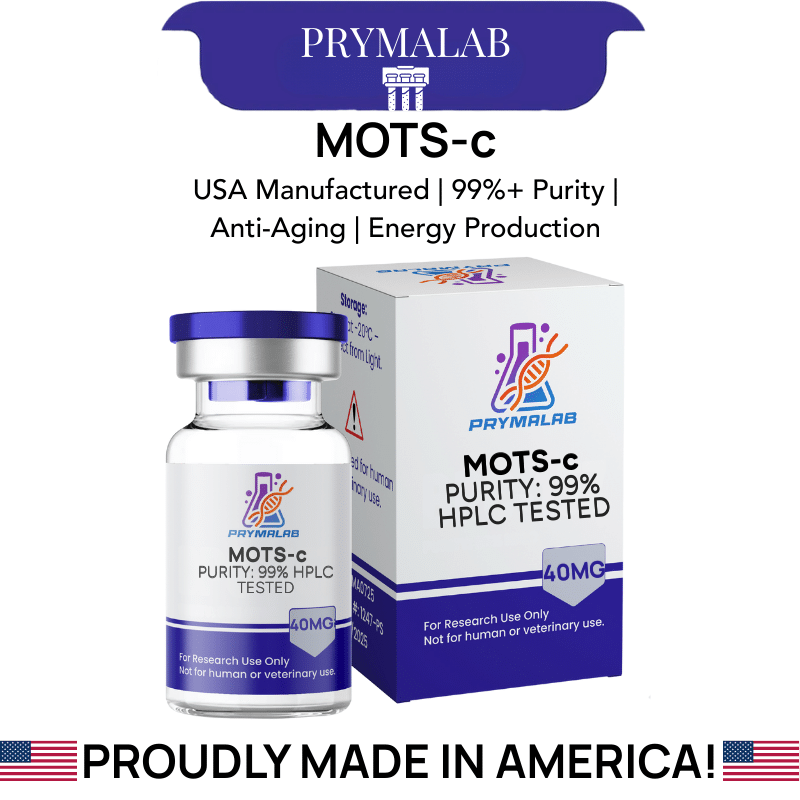
What is MOTS-C 40MG?
MOTS-C 40MG provides an extended supply of this groundbreaking energy-cell peptide for full research protocols. This larger vial contains four times the amount of the standard 10mg size, making it ideal for extended studies and multi-week research cycles. The 40mg supply supports thorough study of MOTS-C’s effects on body function, exercise performance, and longevity.
The peptide itself remains identical to the 10mg version. MOTS-C consists of a 16-amino acid peptide encoded by energy-cell DNA within the mitochondrial genome. The name derives from “Energy-cell Open Reading Frame of the 12S rRNA type-C,” reflecting its unique energy-cell origin. This natural peptide plays a crucial role in cellular metabolism, energy production, and body control.
Choosing the 40mg size offers several benefits for researchers. It provides consistent supply throughout extended protocols without needing to order multiple vials. This ensures batch consistency across the entire research period. The larger size also offers better value for full studies needing multiple weeks of use.
Research protocols often use 5-10mg per injection gave twice weekly. The 40mg vial supports four to eight weeks of research depending on the specific dosing protocol. This extended supply allows researchers to see long-term body adaptations and sustained effects that shorter protocols might miss.
MOTS-C 40MG from PrymaLab keeps the same high quality standards as all our peptide products. Each batch undergoes rigorous third-party testing to verify purity and potency. The larger vial size doesn’t compromise quality or shelf life. Proper storage keeps peptide integrity throughout extended research periods.
The peptide’s energy-cell origin makes it unique among body compounds for supporting mitochondrial health as a specialized mitochondrial peptide. Most treatment peptides are designed and synthesized in laboratories. MOTS-C naturally occurs in the body, encoded by energy-cell DNA. This natural origin adds to its favorable safety profile and broad body effects.
Mitochondria serve as cellular powerhouses, producing energy through oxidant phosphorylation and maintaining mitochondrial function. They also regulate body function, control cell death pathways, and manage cellular stress and metabolic stress responses. MOTS-C acts as a signaling molecule coordinating these energy-cell functions. The peptide ensures efficient energy production, energy balance, metabolic homeostasis, NAD levels, and body flexibility.
Research shows that MOTS-C levels decline with age. This decline correlates with reduced body function, decreased exercise capacity, and increased risk of metabolic dysfunction. The 40mg supply allows extended research into age-related MOTS-C decline and possible interventions. Longer protocols can assess whether sustained use reverses age-related body changes.
Extended Research Protocols with MOTS-C 40MG
The 40mg vial size mainly supports extended research protocols. Short-term studies capture acute body responses to MOTS-C. Extended protocols reveal sustained adaptations and long-term effects. Many important body changes need weeks to fully manifest. The 40mg supply ensures consistent peptide supply throughout these longer studies.
Four-week protocols represent a common extended research design. This duration allows finding of progressive body gains. Insulin response continues improving beyond the first week. Energy-cell biogenesis needs time to produce measurable increases in energy-cell content. Body makeup changes become major after several weeks of consistent use.
Eight-week protocols provide even more full data. These longer studies can assess whether benefits plateau or continue accumulating. They also reveal whether any tolerance develops to MOTS-C’s effects. Research suggests that benefits continue throughout extended use without major tolerance. The 40mg vial supports these longer studies.
Extended protocols allow assessment of different dosing strategies. Researchers can compare continuous use versus cycling approaches. Some protocols use consistent dosing throughout. Others incorporate dose escalation or periodic breaks. The 40mg supply provides flexibility to test many strategies within a single research period.
Tracking parameters throughout extended protocols provides valuable longitudinal data. Baseline measurements set up starting points. Regular assessments track progressive changes. Final measurements quantify total gains. This longitudinal approach reveals the time course of MOTS-C’s effects. It shows which benefits appear quickly and which need sustained use.
Extended protocols also allow study of mix approaches. MOTS-C can be combined with other peptides like CJC-1295 and Ipamorelin or BPC-157. Longer studies reveal combined effects that might not appear in short-term research. The 40mg supply supports these full mix protocols.
Seasonal research designs benefit from the extended supply. Some studies examine MOTS-C effects across different environmental conditions. Heat variations affect body function and brown fat activity. Extended protocols can span seasonal transitions. The 40mg vial ensures consistent peptide supply regardless of study duration.
Age-related research very benefits from extended protocols. Reversing age-related body decline needs sustained intervention. Older subjects may need longer to show gains compared to younger people. The 40mg supply accommodates these longer timelines. It allows thorough study of MOTS-C’s anti-aging possible.
Comprehensive Metabolic Research Applications
MOTS-C 40MG supports in-depth body research across multiple parameters. The extended supply allows full assessment of insulin response changes. First gains appear within weeks, but maximal effects may need longer use. The 40mg vial lets tracking of these progressive gains.
Glucose metabolism body function research, often compared to the effects of metformin, benefits from extended MOTS-C protocols. The peptide affects multiple aspects of glucose handling. It enhances muscle glucose uptake, reduces hepatic glucose production, and improves pancreatic function. These effects develop over different timescales. Extended protocols capture the full spectrum of glucose body gains.
Lipid body function studies use MOTS-C’s effects on fat oxidation and storage. The peptide promotes fat burning and reduces fat buildup. It starts brown adipose tissue and promotes white fat browning. These body makeup changes need weeks to become major. The 40mg supply supports thorough study of lipid body effects.
Energy output research examines MOTS-C’s impact on energy expenditure and body rate. The peptide increases energy output through multiple mechanisms. Enhanced energy-cell function, brown fat start, and improved body flexibility all add. Extended protocols allow measurement of sustained changes in resting body rate and total daily energy output.
Body flexibility represents a key research area for MOTS-C. This refers to the power to efficiently switch between burning carbohydrates and fats. MOTS-C enhances body flexibility through AMPK start and energy-cell gains. Extended protocols can assess body flexibility under many dietary conditions. The 40mg supply supports these full body flexibility studies.
Hormonal research studies MOTS-C’s effects on body hormones. The peptide influences insulin, adiponectin, and other body regulators. It may also affect thyroid function and cortisol body function. Extended protocols allow thorough assessment of hormonal changes. Multiple time points reveal the temporal pattern of hormonal adaptations.
Swelling marker research examines MOTS-C’s anti-swelling effects. The peptide reduces pro-swelling cytokines and increases anti-swelling mediators. These changes add to improved body health. Extended protocols show whether anti-swelling effects persist or increase with continued use. The 40mg supply lets full swelling marker assessment.
Energy-cell function research directly examines MOTS-C’s main target. The peptide enhances energy-cell biogenesis, efficiency, and dynamics. These gains need time to fully develop. Extended protocols using the 40mg supply allow detailed energy-cell function assessment. Researchers can measure energy-cell content, respiratory capacity, and oxidative stress markers throughout the study period.
Advanced Exercise Performance Research
MOTS-C 40MG lets full exercise performance research. The extended supply supports training studies examining how MOTS-C affects adaptation to exercise programs. Short-term studies show acute performance gains. Extended protocols reveal whether MOTS-C enhances training adaptations over time.
Endurance research very benefits from extended MOTS-C protocols. The peptide improves body flexibility and energy-cell function, both crucial for endurance performance. Training studies can assess whether MOTS-C accelerates endurance growth. The 40mg supply supports multi-week training protocols with consistent peptide use.
Strength and power research examines MOTS-C’s effects on muscle function. The peptide improves energy-cell content in skeletal muscle tissue. This may enhance power output and reduce fatigue during high-intensity efforts. Extended protocols allow assessment of strength gains over time. The 40mg vial supports full strength training studies.
Healing research studies how MOTS-C affects post-exercise healing. The peptide reduces swelling and oxidant stress. It enhances energy-cell repair and biogenesis. Extended protocols can examine healing between training sessions throughout a program. The 40mg supply lets thorough healing research across multiple training cycles.
Performance testing throughout extended protocols provides valuable data. Baseline tests set up starting performance levels. Regular testing tracks gains over time. Final tests quantify total performance gains. This approach reveals the time course of performance boosts. It shows whether gains continue accumulating or plateau.
Training volume research examines whether MOTS-C allows increased training capacity. The peptide’s effects on healing and energy production might let higher training volumes. Extended protocols can progressively increase training load while tracking tolerance. The 40mg supply supports these full training volume studies.
Detraining research studies how long MOTS-C benefits persist after stopping use. Some studies include a washout period after the main protocol. This reveals whether body and performance gains persist. The 40mg supply allows enough treatment duration before the washout period.
Sport-specific research applies MOTS-C to many athletic disciplines. Different sports have unique body demands. Extended protocols can examine MOTS-C effects in sport-specific training programs. The 40mg vial provides consistent supply for full sport-specific research.
Longevity and Healthy Aging Research
MOTS-C 40MG proves very valuable for longevity research. Aging involves progressive body decline, energy-cell dysfunction, and increased swelling. The peptide addresses all these aging mechanisms. Extended protocols allow thorough study of anti-aging effects.
Age-related body decline research examines whether MOTS-C restores youthful body function. Older subjects often show reduced insulin response, decreased body flexibility, and lower energy output. Extended MOTS-C protocols can assess whether these age-related changes reverse. The 40mg supply supports full age-comparison studies.
Energy-cell aging research focuses on MOTS-C’s main target. Energy-cell function declines with age, adding to reduced energy and increased oxidant stress. Extended protocols examine whether MOTS-C reverses energy-cell aging. Measurements of energy-cell content, function, and dynamics throughout the protocol reveal the time course of gains.
Physical function research assesses MOTS-C’s effects on age-related functional decline. Older adults experience reduced exercise capacity, strength, and mobility. Extended protocols can include progressive exercise programs. The 40mg supply supports full functional assessment throughout the research period.
Inflammaging research examines chronic low-grade swelling that increases with age. MOTS-C reduces swelling markers and may slow inflammaging. Extended protocols allow assessment of sustained anti-swelling effects. Multiple time points reveal whether swelling continues declining or stabilizes.
Heart aging research studies MOTS-C’s effects on age-related vascular changes. Arterial stiffness increases with age, and endothelial function declines. Extended protocols can assess whether MOTS-C improves these heart aging markers. The 40mg supply lets full heart assessment.
Cognitive aging research explores MOTS-C’s possible brain-safe effects. While research remains preliminary, the peptide shows promise for keeping cognitive function. Extended protocols allow cognitive testing at multiple time points. The 40mg supply supports full cognitive aging research.
Sarcopenia research examines age-related muscle loss. MOTS-C helps keep muscle mass and function. Extended protocols combined with resistance training can assess whether the peptide prevents or reverses sarcopenia. The 40mg vial supports these full muscle aging studies.
Healthspan research focuses on keeping quality of life rather than just extending lifespan. MOTS-C improves multiple aspects of health relevant to quality of life. Extended protocols can use full health assessments. The 40mg supply lets thorough healthspan research across multiple domains.
Optimizing Extended Research Protocols
Maximizing results from MOTS-C 40MG research needs careful protocol design. Extended studies need consistent use schedules. Choose specific days and times for injections and keep this schedule throughout. Use reminders or scheduling systems to ensure adherence. Consistency reduces variables and improves data quality.
Mixing strategy matters for extended protocols. The 40mg vial can be mixed all at once or in portions. Full mixing provides convenience but needs careful storage. Partial mixing keeps some peptide in powder form for extended shelf life. Consider your specific protocol needs when choosing a mixing strategy.
When mixing the full 40mg vial, use 4ml of sterile water. This creates a 10mg/ml level for easy dosing. The peptide calculator helps find exact volumes for desired doses. Proper mixing ensures accurate dosing throughout the research period.
Storage becomes especially important for extended protocols. Mixed MOTS-C remains stable for 30 days under refrigeration. For protocols longer than 30 days, consider partial mixing. Reconstitute only what you’ll use within 30 days. Keep remaining powder refrigerated until needed. This approach keeps best peptide quality throughout extended studies.
Tracking schedules should align with expected changes. Some parameters change quickly while others need weeks. Design your tracking schedule to capture both acute and chronic effects. Baseline measurements set up starting points. Early measurements capture acute responses. Later measurements reveal sustained adaptations.
Records becomes crucial in extended protocols. Record all use times, doses, and any findings. Track storage conditions and mixing dates. Document any protocol deviations. Thorough records ensures data integrity and allows proper interpretation of results.
Subject compliance matters more in extended protocols. Longer studies increase the risk of missed doses or protocol deviations. Clear communication about protocol requirements helps keep compliance. Regular check-ins can identify and address compliance issues early.
Mix protocols need careful planning. When using MOTS-C with other peptides, consider timing and possible interactions. MOTS-C often works well in morning use. Other peptides may suit different times. The 40mg supply provides flexibility for many mix strategies.
Dosage Strategies for Extended Research
MOTS-C 40MG allows exploration of many dosing strategies. Standard protocols use 5-10mg twice weekly. The 40mg vial supports four to eight weeks at these doses. This provides enough duration to see sustained body effects.
Dose escalation protocols start lower and gradually increase. Begin with 5mg twice weekly for the first two weeks. Increase to 7.5mg for weeks three and four. Finish with 10mg for the final weeks. This approach helps identify best dosing for specific research outcomes. The 40mg supply accommodates these escalation protocols.
Maintenance dosing research examines lower doses for sustained benefits. After an first loading phase at higher doses, reduce to maintenance levels. For example, use 10mg twice weekly for four weeks, then 5mg twice weekly for four weeks. The 40mg vial supports these maintenance dosing studies.
Frequency variation research compares different use schedules. Standard twice-weekly dosing can be compared to three times weekly or once weekly. The 40mg supply provides flexibility to test many frequencies. This research helps optimize dosing schedules for different uses.
Pulsed dosing protocols incorporate periodic breaks. For example, give MOTS-C for two weeks, then take one week off. Repeat this cycle throughout the research period. The 40mg supply supports multiple cycles of pulsed dosing. This approach examines whether periodic breaks affect outcomes.
Body weight-based dosing research scales doses to subject size. Larger subjects might need higher doses for equivalent effects. The 40mg supply allows testing of weight-based dosing protocols. This research helps set up best dosing rules.
Response-based dosing adjusts doses based on saw effects. If early measurements show strong responses, doses might be reduced. If responses are modest, doses might be increased. The 40mg supply provides flexibility for these adaptive protocols.
Mix dosing research examines MOTS-C with other compounds. When combining with CJC-1295 and Ipamorelin, doses of each peptide may be adjusted. The 40mg MOTS-C supply supports full mix dosing research.
Safety Monitoring in Extended Protocols
Extended research protocols need full safety tracking. While MOTS-C shows a favorable safety profile, longer use periods warrant careful finding. Regular tracking helps identify any issues early and ensures research subject safety.
Injection site tracking becomes important with repeated administrations. Rotate injection sites systematically to prevent tissue irritation. Inspect sites regularly for redness, swelling, or other reactions. Document any injection site issues and their resolution. Proper rotation and technique minimize injection site problems.
Body tracking tracks the intended effects while watching for adverse changes. Regular glucose measurements ensure MOTS-C improves rather than disrupts glucose control. Lipid panels track effects on cholesterol and triglycerides. These measurements provide both effect and safety data.
Heart tracking includes blood pressure and heart rate measurements. MOTS-C often improves heart function, but personal responses vary. Regular tracking ensures heart parameters remain healthy. Any concerning changes warrant protocol adjustment or discontinuation.
Liver and kidney function tests provide important safety data. While MOTS-C doesn’t often affect these organs negatively, extended protocols should include periodic testing. Baseline tests set up normal function. Follow-up tests ensure continued health throughout the research period.
Swelling marker tracking serves dual purposes. It tracks MOTS-C’s anti-swelling effects while ensuring swelling doesn’t increase unexpectedly. Measure markers like CRP, TNF-α, and IL-6 at multiple time points. This provides both effect and safety data.
Subjective symptom tracking captures experiences not reflected in objective measures. Use standardized questionnaires to assess energy levels, sleep quality, and overall well-being. Regular symptom assessments help identify any adverse effects early. They also provide valuable quality-of-life data.
Adverse event records follows standard research protocols. Record any negative experiences, even if they seem unrelated to MOTS-C. Document severity, duration, and resolution. This full records ensures research integrity and subject safety.
MOTS-C 40MG for Comprehensive Body Composition Research
Body makeup research benefits greatly from extended MOTS-C protocols. The 40mg supply supports thorough study of changes in fat mass, lean mass, and body makeup distribution. Short-term studies show first trends, but major body makeup changes need weeks to develop.
Fat mass reduction research examines MOTS-C’s effects on total body fat and regional fat distribution. The peptide promotes fat oxidation and reduces fat buildup. Extended protocols allow measurement of progressive fat loss. The 40mg supply supports full fat mass research with multiple assessment points.
Visceral fat research mainly examines dangerous abdominal fat. MOTS-C reduces visceral adipose tissue through body gains and brown fat start. Extended protocols can track visceral fat changes using imaging techniques. The 40mg vial lets thorough visceral fat research.
Lean mass preservation research studies whether MOTS-C keeps muscle during fat loss. Many interventions cause muscle loss alongside fat loss. MOTS-C’s effects on muscle body function may preserve lean tissue. Extended protocols with regular body makeup assessments reveal these effects. The 40mg supply supports full lean mass research.
Brown fat start research examines MOTS-C’s effects on thermogenic adipose tissue. The peptide starts existing brown fat and promotes white fat browning. These changes add to increased energy output. Extended protocols allow assessment of sustained brown fat start. The 40mg vial supports full thermogenesis research.
Body makeup distribution research examines where fat loss occurs. Some interventions preferentially reduce certain fat depots. MOTS-C may very affect visceral and subcutaneous under-skin abdominal fat. Extended protocols with regional body makeup assessment reveal these patterns. The 40mg supply lets thorough distribution research.
Muscle quality research goes beyond simple lean mass measurements. MOTS-C improves energy-cell content in muscle tissue. This may enhance muscle quality independent of size changes. Extended protocols can assess muscle function relative to muscle mass. The 40mg vial supports full muscle quality research.
Advanced Metabolic Flexibility Research
Body flexibility represents a crucial aspect of body health. MOTS-C 40MG lets full research into this important parameter. The extended supply supports protocols examining body flexibility under many conditions.
Substrate use research examines fuel source preferences. Metabolically flexible people efficiently switch between burning carbohydrates and fats. MOTS-C enhances this flexibility through AMPK start and energy-cell gains. Extended protocols can assess substrate use under different dietary and exercise conditions.
Fasting research studies body responses to caloric restriction. MOTS-C may improve adaptation to fasting through enhanced fat oxidation. Extended protocols can include periodic fasting periods. The 40mg supply supports full fasting research with consistent peptide use.
Dietary variation research examines body responses to different macronutrient ratios. Some protocols alternate between high-carbohydrate and high-fat periods. MOTS-C may improve adaptation to these dietary changes. The 40mg vial lets thorough dietary variation research.
Exercise-induced body flexibility research examines fuel use during different exercise intensities. MOTS-C may enhance the power to burn fat during low-intensity exercise while keeping carbohydrate oxidation during high-intensity efforts. Extended protocols with varied exercise testing reveal these effects.
Circadian body flexibility research studies daily variations in body function. MOTS-C affects body rhythms and may improve circadian body flexibility. Extended protocols with multiple daily measurements reveal these patterns. The 40mg supply supports full circadian body function research.
Cardiovascular Health Research Applications
MOTS-C 40MG supports extensive heart research. The peptide’s effects on body function, swelling, and energy-cell function all benefit heart health. Extended protocols allow thorough assessment of heart gains.
Endothelial function research examines blood vessel health. MOTS-C improves endothelial function through multiple mechanisms. It reduces oxidant stress, decreases swelling, and enhances nitric oxide production. Extended protocols can assess sustained endothelial gains. The 40mg supply lets full vascular function research.
Arterial stiffness research studies age-related vascular changes. MOTS-C reduces arterial stiffness and improves vascular compliance. Extended protocols allow measurement of progressive gains in arterial properties. The 40mg vial supports thorough arterial health research.
Blood pressure research examines MOTS-C’s effects on heart hemodynamics. The peptide may reduce blood pressure through improved body health and vascular function. Extended protocols with regular blood pressure tracking reveal these effects. The 40mg supply supports full blood pressure research.
Cardiac function research studies MOTS-C’s effects on heart performance. The peptide improves cardiac energy-cell function and reduces oxidant stress. Extended protocols can assess cardiac structure and function using echocardiography. The 40mg vial lets thorough cardiac research.
Heart risk factor research examines multiple parameters. MOTS-C affects obesity, insulin resistance, swelling, and lipid profiles – all heart risk factors. Extended protocols allow full risk factor assessment. The 40mg supply supports thorough heart risk research.
Inflammation and Immune Function Research
MOTS-C 40MG lets full swelling research. The peptide’s anti-swelling effects occur through multiple pathways. Extended protocols reveal the full scope of these effects and their persistence over time.
Cytokine research examines MOTS-C’s effects on swelling mediators. The peptide reduces pro-swelling cytokines like TNF-α, IL-6, and IL-1β. It increases anti-swelling IL-10. Extended protocols allow tracking of cytokine changes over time. The 40mg supply supports full cytokine research.
Immune cell research studies MOTS-C’s effects on immune function. The peptide influences T-cell differentiation and macrophage activity. Extended protocols can assess immune cell populations and function. The 40mg vial lets thorough immune research.
Chronic swelling research examines sustained anti-swelling effects. Many age-related diseases involve chronic low-grade swelling. MOTS-C may reduce this inflammaging. Extended protocols reveal whether anti-swelling effects persist or increase with continued use.
Acute swelling research studies MOTS-C’s effects on swelling responses. Some studies induce acute swelling and assess MOTS-C’s protective effects. Extended protocols can examine repeated swelling challenges. The 40mg supply supports full acute swelling research.
Bone Health and Skeletal Research
MOTS-C 40MG supports extended bone health research. The peptide promotes osteoblast activity and bone formation. These effects need time to produce measurable changes in bone density and structure.
Bone formation research examines MOTS-C’s effects on osteoblast function. The peptide increases osteoblast differentiation and activity. Extended protocols allow assessment of sustained bone formation. The 40mg supply lets full bone formation research.
Bone resorption research studies MOTS-C’s effects on osteoclast activity. The peptide may reduce too much bone breakdown. Extended protocols can measure bone resorption markers over time. The 40mg vial supports thorough bone resorption research.
Bone density research needs extended protocols to detect major changes. Bone remodeling occurs slowly, needing months for large density changes. The 40mg supply supports first phases of longer bone density studies. It allows consistent peptide use during key early periods.
Frequently Asked Questions About MOTS-C 40MG
Q: Why choose MOTS-C 40MG instead of multiple 10MG vials?
A: The 40mg vial offers several benefits for extended research. It ensures batch consistency throughout your entire protocol. All peptide comes from the same production batch, removing variability between vials. The larger size also provides better value for full studies. You avoid multiple shipping costs and have enough supply for 4-8 week protocols. The 40mg size suits researchers planning extended studies or those wanting backup supply. It’s very valuable for protocols needing consistent peptide supply without interruption.
Q: How should I reconstitute MOTS-C 40MG for extended protocols?
A: You have two mixing options for the 40mg vial. Full mixing uses 4ml of sterile water, creating a 10mg/ml level. This provides convenience for protocols under 30 days. For longer protocols, consider partial mixing. Reconstitute only what you’ll use within 30 days, keeping remaining powder refrigerated. For example, reconstitute 20mg with 2ml water for the first month. Reconstitute the remaining 20mg for the second month. This keeps best peptide quality throughout extended studies.
Q: What research protocols work best with MOTS-C 40MG?
A: The 40mg supply excels for 4-8 week research protocols. Four-week studies using 10mg twice weekly consume the full vial. Eight-week protocols using 5mg twice weekly also work well. The extended supply supports dose escalation protocols, starting at 5mg and increasing to 10mg. It accommodates maintenance dosing research with first loading phases followed by lower maintenance doses. Mix protocols with other peptides benefit from the consistent MOTS-C supply. The 40mg size provides flexibility for many research designs.
Q: Can MOTS-C 40MG be used for age-comparison research?
A: Yes, the 40mg supply proves ideal for age-comparison studies. These protocols examine MOTS-C effects across different age groups. Older subjects often need longer protocols to show maximal gains. The 40mg vial ensures consistent supply for full age-group research. It allows parallel protocols in young, middle-aged, and older subjects. Extended duration captures age-related differences in response patterns. The consistent batch ensures any differences reflect age rather than peptide variability.
Q: How does storage differ for MOTS-C 40MG versus 10MG?
A: Storage principles remain the same regardless of vial size. Unreconstituted powder should be refrigerated at 2-8°C. After mixing, keep refrigeration and use within 30 days. The larger 40mg vial needs the same careful handling as smaller vials. Protect from light and avoid freezing. The main difference is mixing strategy. With 40mg, you might choose partial mixing for protocols exceeding 30 days. This keeps some peptide in more stable powder form until needed.
Q: What tracking schedule works best for extended MOTS-C protocols?
A: Extended protocols benefit from multiple assessment points. Set up baseline measurements before starting. Early assessments at weeks 1-2 capture acute responses. Mid-protocol measurements at weeks 4-6 reveal developing adaptations. Final assessments quantify total gains. This schedule captures both immediate and sustained effects. Specific parameters may need different frequencies. Glucose and insulin response show early changes. Body makeup needs longer intervals between measurements. Design your tracking schedule based on research objectives and expected timelines for different parameters.
Q: Can MOTS-C 40MG support mix research with multiple peptides?
A: Absolutely. The 40mg supply provides excellent support for mix research. It ensures consistent MOTS-C supply while testing mixes with CJC-1295 and Ipamorelin, BPC-157, or other peptides. Extended protocols reveal combined effects that short-term studies might miss. The 40mg vial removes concerns about running out of MOTS-C mid-protocol. This allows focus on the mix effects rather than supply logistics. Design mix protocols with staggered start times to isolate personal versus combined effects.
Q: What makes MOTS-C 40MG suitable for training studies?
A: Training studies need consistent peptide supply throughout the program. The 40mg vial provides 4-8 weeks of MOTS-C for training research. This duration allows finding of training adaptations with peptide support. Athletes and researchers can complete full training cycles without interruption. The extended supply lets progressive overload protocols with consistent body support. Training studies can examine whether MOTS-C enhances adaptation to exercise programs. The 40mg size ensures enough supply for full training research.
Q: How does MOTS-C 40MG support body flexibility research?
A: Body flexibility research needs extended protocols with varied conditions. The 40mg supply supports protocols alternating between different dietary phases. It lets research examining body responses to fasting and refeeding. Extended duration allows assessment of body flexibility under many exercise intensities. The consistent peptide supply ensures MOTS-C effects remain stable while testing different body challenges. This isolates body flexibility changes from peptide variability. The 40mg vial provides enough supply for full body flexibility assessment.
Q: What records is important for extended MOTS-C research?
A: Extended protocols need thorough records. Record all mixing dates and volumes. Document each use time and dose. Track storage conditions throughout the protocol. Note any protocol deviations or missed doses. Record all tracking measurements with dates and times. Document any findings or adverse events. This full records ensures data integrity. It allows proper interpretation of results and finding of any confounding factors. Good records practices become increasingly important in longer studies where more variables can affect outcomes.
Q: Can MOTS-C 40MG be used for seasonal research studies?
A: Yes, the 40mg supply works well for seasonal research. Some studies examine body responses across seasonal transitions. Heat changes affect body function and brown fat activity. Extended protocols can span seasonal shifts to examine these effects. The 40mg vial ensures consistent peptide supply regardless of season. This allows isolation of seasonal effects from peptide variability. Seasonal research might examine MOTS-C’s effects on cold adaptation or heat tolerance. The extended supply supports these full seasonal studies.
Q: What quality assurance comes with MOTS-C 40MG?
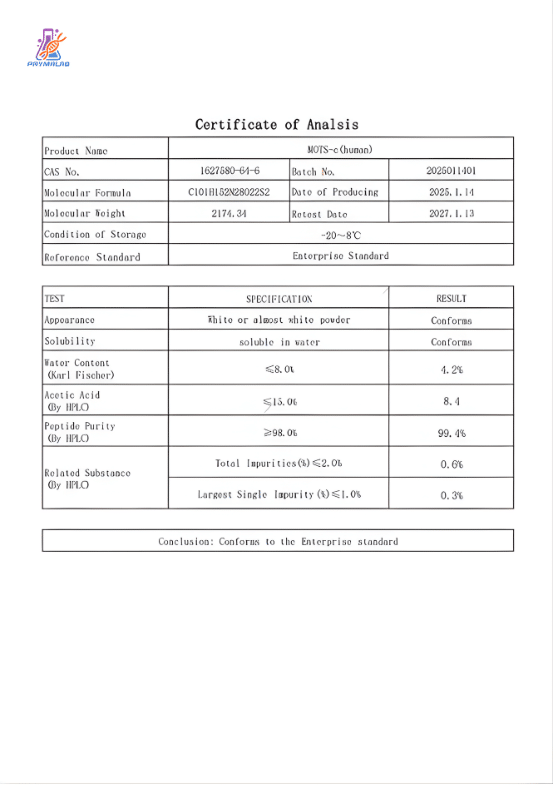
A: PrymaLab’s MOTS-C 40MG undergoes the same rigorous quality control as all our peptides. Each batch gets third-party testing for purity and potency. Certificates of test, or COA, verify pharmaceutical-grade quality. The larger vial size doesn’t compromise quality standards. Proper packaging protects the peptide during shipping. Clear labeling includes batch numbers for traceability. The 40mg size actually offers an advantage – your entire extended protocol uses peptide from a single tested batch. This ensures consistency throughout your research period.















15 reviews for MOTS-C 40MG