$58.99 / month – $499.99
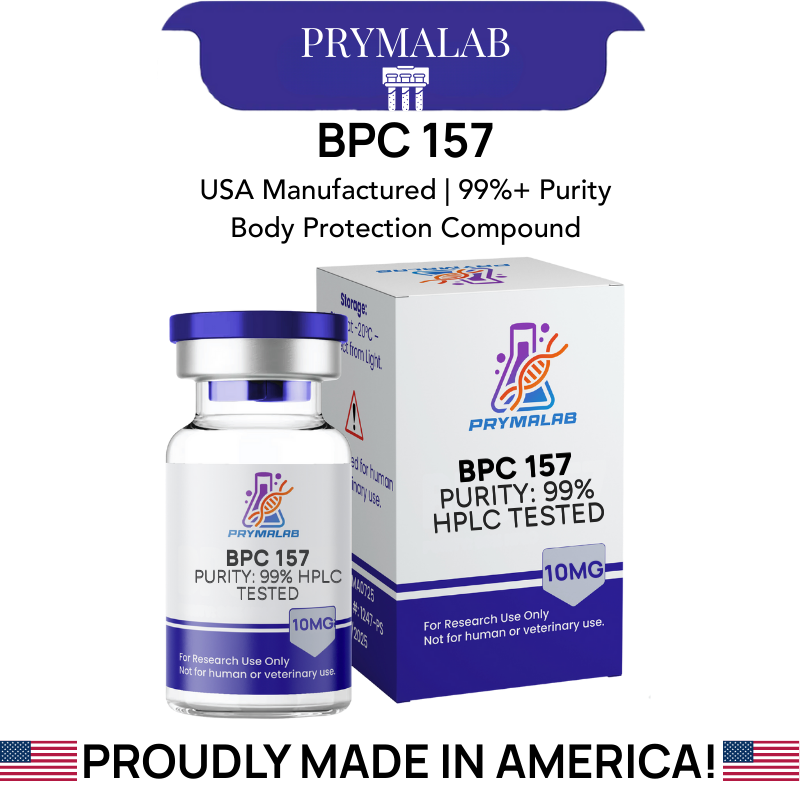
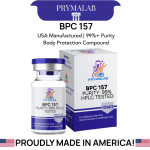
Buy BPC-157 10MG peptide – advanced healing compound for tissue repair and recovery research. Promotes gut health, accelerates wound healing, reduces inflammation. 99% purity, USA-made, same day shipping.
BPC-157 peptide represents one of the most remarkable healing compounds available for research, offering broad-spectrum tissue repair and regenerative properties that have captured the attention of researchers worldwide. This synthetic pentadecapeptide consists of 15 amino acids (Gly-Glu-Pro-Pro-Pro-Gly-Lys-Pro-Ala-Asp-Asp-Ala-Gly-Leu-Val) and is derived from a protective protein naturally found in human gastric juice. The name BPC-157 stands for Body Protection Compound-157, reflecting its origin from the body’s own protective mechanisms and its designation as the 157th compound in a series of gastric peptides studied for their healing properties.
What makes bpc 157 particularly fascinating is its ability to promote healing across multiple tissue types and through various mechanisms. Unlike many healing compounds that target specific tissues or pathways, BPC-157 demonstrates remarkable versatility, accelerating repair in tendons, ligaments, muscles, bones, nerves, and gastrointestinal tissue. This broad-spectrum healing activity results from the peptide’s interaction with multiple growth factor receptors and signaling pathways involved in tissue regeneration, making it an invaluable tool for researchers studying healing mechanisms and potential therapeutic approaches to injury and disease.
The peptide’s stability is another key feature that distinguishes it from many other bioactive compounds. Bpc-157 resists degradation in the harsh acidic environment of the stomach, allowing it to remain active when administered orally. This stability extends to various body tissues and fluids, enabling the peptide to reach injury sites and exert its healing effects regardless of administration route. Researchers can administer bpc 157 peptide through injection (subcutaneous or intramuscular), oral consumption, topical application, or even nasal spray, with each route offering advantages for different research applications.
Research into BPC-157 began in the 1990s when scientists at the University of Zagreb in Croatia isolated and characterized this peptide from gastric juice. Initial studies focused on its protective effects on the gastrointestinal tract, demonstrating remarkable ability to heal gastric ulcers, protect against various forms of gastric damage, and maintain the integrity of the intestinal barrier. These findings led to expanded research investigating whether the peptide’s healing properties extended beyond the gut, and subsequent studies revealed its extraordinary ability to promote healing in virtually every tissue type examined.
The mechanism by which bpc 157 peptide promotes healing involves multiple interconnected pathways. The peptide enhances angiogenesis, the formation of new blood vessels that deliver oxygen and nutrients essential for tissue repair. It stimulates the production and organization of collagen, the structural protein that provides strength and integrity to repaired tissues. BPC-157 modulates inflammation, reducing excessive inflammatory responses that can impair healing while maintaining the beneficial aspects of inflammation necessary for tissue regeneration. The peptide also protects cells from oxidative stress and various forms of damage, creating an environment conducive to healing.
For researchers studying tissue repair and regeneration, bpc-157 offers unique advantages. The peptide’s effects are reproducible across different research models, its mechanisms are increasingly well-understood through extensive research, and its safety profile appears favorable based on available data. When researchers buy bpc 157, they gain access to a compound that can illuminate fundamental healing processes, test hypotheses about tissue regeneration, and explore potential therapeutic approaches for conditions ranging from sports injuries to inflammatory diseases to wound healing complications.
The peptide’s origin from a natural body protection compound gives it an interesting profile compared to synthetic drugs designed without biological precedent. BPC-157 essentially amplifies and focuses protective mechanisms that already exist in the human body, potentially explaining its broad activity and favorable safety profile. This biological basis makes the peptide particularly interesting for research into how the body’s own healing systems work and how they might be enhanced or supported in disease states.
To fully appreciate how bpc 157 peptide works, it’s essential to understand the complex process of tissue healing and the role that peptides can play in modulating this process. Tissue repair is a highly orchestrated sequence of events involving multiple cell types, signaling molecules, and structural changes that ultimately restore tissue integrity and function after injury or damage.
The healing process typically progresses through several overlapping phases. The inflammatory phase begins immediately after injury, with blood vessels constricting to limit bleeding, platelets forming clots, and immune cells migrating to the injury site to clear debris and prevent infection. While inflammation is essential for healing, excessive or prolonged inflammation can actually impair tissue repair and lead to chronic problems. The proliferative phase follows, characterized by the formation of new blood vessels (angiogenesis), production of granulation tissue rich in collagen and new capillaries, and migration of cells to fill the wound space. Finally, the remodeling phase involves reorganization of collagen fibers to restore tissue strength, reduction of excess cells and blood vessels, and gradual restoration of normal tissue architecture.
BPC-157 influences all phases of this healing cascade, which explains its broad healing effects. During the inflammatory phase, the peptide modulates immune cell activity to reduce excessive inflammation while maintaining the beneficial aspects necessary for healing. It protects cells from inflammatory damage and helps resolve inflammation more efficiently. In the proliferative phase, bpc 157 dramatically enhances angiogenesis, ensuring adequate blood supply to healing tissues. The peptide stimulates fibroblast activity and collagen production, accelerating the formation of new tissue. During remodeling, bpc-157 promotes proper organization of collagen fibers, resulting in stronger, more functional repaired tissue with less scar formation.
The peptide’s effects on angiogenesis deserve special attention, as adequate blood supply is absolutely critical for healing. Damaged tissues require increased oxygen and nutrients to support the energy-intensive processes of repair and regeneration. BPC-157 stimulates the production of vascular endothelial growth factor (VEGF) and other pro-angiogenic factors, promoting the formation of new blood vessels that penetrate into damaged tissue. This enhanced vascularization not only supports healing but also helps prevent tissue death in areas with compromised blood flow. Research shows that bpc 157 peptide can promote blood vessel formation even in tissues with poor baseline vascularity, such as tendons and ligaments, which may explain its particular effectiveness for these notoriously slow-healing structures.
Collagen production and organization represent another critical aspect of tissue repair that BPC-157 influences. Collagen provides the structural framework for most tissues, and proper collagen synthesis and organization are essential for restoring tissue strength and function. The peptide enhances collagen production by stimulating fibroblast activity and upregulating genes involved in collagen synthesis. More importantly, bpc-157 promotes proper organization of collagen fibers in parallel arrays that provide maximum strength, rather than the disorganized scar tissue that often forms after injury. This results in healed tissue that more closely resembles normal tissue in both structure and function.
The peptide’s effects extend to stem cells and progenitor cells, the body’s repair specialists that can differentiate into various tissue types as needed. BPC-157 appears to enhance the migration of these cells to injury sites and promote their differentiation into appropriate cell types for tissue repair. This stem cell mobilization and differentiation may contribute significantly to the peptide’s healing effects, particularly for injuries requiring substantial tissue regeneration rather than just repair of existing structures.
Bpc 157 peptide also demonstrates remarkable neuroprotective and neuroregenerative properties. The peptide promotes healing of nerve tissue, protects neurons from various forms of damage, and may enhance nerve regeneration after injury. This neurological activity extends beyond direct nerve healing to include effects on the nervous system’s role in tissue repair. The peptide appears to modulate the autonomic nervous system and may influence healing through neural pathways, adding another layer to its complex mechanism of action.
For gut health specifically, BPC-157 offers unique benefits that stem from its origin as a gastric protective compound. The peptide maintains the integrity of the intestinal barrier, preventing “leaky gut” and the systemic inflammation that can result from intestinal permeability. It promotes healing of gastric and intestinal ulcers, protects against damage from NSAIDs and other medications, and may help restore healthy gut function in inflammatory bowel conditions. These gastrointestinal effects make bpc-157 particularly valuable for research into digestive health and the gut-body connection.
The mechanism by which bpc 157 promotes healing involves a sophisticated interplay of multiple cellular and molecular pathways, all working in concert to accelerate tissue repair and regeneration. Understanding these mechanisms helps researchers design effective protocols and interpret research results in the context of known healing biology.
Growth Factor Receptor Interactions:
BPC-157 peptide interacts with several key growth factor receptors that play central roles in tissue repair. The peptide influences vascular endothelial growth factor (VEGF) signaling, promoting angiogenesis and vascular repair. It affects epidermal growth factor (EGF) pathways involved in cell proliferation and migration. BPC-157 also modulates fibroblast growth factor (FGF) signaling, which is crucial for tissue regeneration and wound healing. These growth factor interactions create a pro-healing environment that supports multiple aspects of tissue repair simultaneously.
The peptide doesn’t simply activate these pathways indiscriminately; rather, it appears to modulate them in ways that promote healing while avoiding excessive responses that could be counterproductive. This balanced modulation may explain why bpc-157 promotes healing without causing excessive scar tissue formation or other complications sometimes seen with growth factor therapies.
Angiogenesis and Blood Flow Enhancement:
One of the most important mechanisms by which bpc 157 peptide promotes healing is through dramatic enhancement of angiogenesis. The peptide stimulates the formation of new blood vessels through multiple pathways, including upregulation of VEGF and other pro-angiogenic factors, promotion of endothelial cell migration and proliferation, and stabilization of newly formed blood vessels. This enhanced vascularization ensures that healing tissues receive adequate oxygen and nutrients while also facilitating removal of metabolic waste products.
Research shows that BPC-157 can promote angiogenesis even in tissues with naturally poor blood supply, such as tendons and ligaments. This may explain the peptide’s particular effectiveness for healing these structures, which often heal slowly due to limited vascularity. The enhanced blood flow also helps deliver other healing factors and immune cells to injury sites, further supporting the repair process.
Collagen Synthesis and Organization:
Bpc-157 significantly enhances both the quantity and quality of collagen produced during tissue repair. The peptide stimulates fibroblast activity, the cells primarily responsible for collagen production. It upregulates genes involved in collagen synthesis, increasing the raw material available for tissue repair. More importantly, BPC-157 promotes proper organization of collagen fibers in parallel arrays that provide maximum tensile strength, rather than the random organization typical of scar tissue.
This effect on collagen organization is particularly important for structural tissues like tendons and ligaments, where proper fiber alignment is essential for function. Research shows that tissues healed with bpc 157 peptide assistance demonstrate better biomechanical properties than tissues healed without the peptide, with improved tensile strength and elasticity more closely resembling normal tissue.
Anti-Inflammatory and Immunomodulatory Effects:
While inflammation is necessary for healing, excessive or prolonged inflammation can impair tissue repair and lead to chronic problems. BPC-157 demonstrates sophisticated immunomodulatory effects that reduce harmful inflammation while preserving beneficial inflammatory responses. The peptide reduces production of pro-inflammatory cytokines that can damage tissues and impair healing. It promotes resolution of inflammation, helping the healing process transition from inflammatory to proliferative phases more efficiently.
Bpc-157 also protects tissues from inflammatory damage through antioxidant effects and cellular protection mechanisms. This anti-inflammatory activity extends to various inflammatory conditions, with research showing benefits in models of arthritis, inflammatory bowel disease, and other inflammatory disorders. The peptide’s ability to modulate inflammation without completely suppressing it represents a more nuanced approach than simple anti-inflammatory drugs.
Cellular Protection and Survival:
BPC-157 peptide demonstrates remarkable cytoprotective effects, protecting cells from various forms of damage and stress. The peptide protects against oxidative stress by enhancing antioxidant defenses and reducing free radical damage. It maintains mitochondrial function, ensuring cells have adequate energy for repair processes. BPC-157 protects against excitotoxicity and other forms of cellular stress that can occur after injury.
These protective effects help preserve viable tissue in the injury zone, reducing the extent of damage and the amount of tissue that needs to be regenerated. By maintaining cell survival and function, bpc-157 creates a more favorable environment for healing and reduces the formation of scar tissue that would otherwise fill areas of cell death.
Nitric Oxide Pathway Modulation:
Research suggests that bpc 157 influences nitric oxide (NO) pathways, which play important roles in vascular function, inflammation, and tissue repair. The peptide appears to modulate NO production in ways that support healing, promoting beneficial effects of NO on blood flow and angiogenesis while potentially reducing harmful effects of excessive NO production in inflammatory conditions. This NO modulation may contribute to the peptide’s cardiovascular protective effects and its ability to promote healing in vascular tissues.
FAK-paxillin Pathway Activation:
Recent research has identified that BPC-157 activates the FAK-paxillin pathway, a signaling cascade involved in cell migration, adhesion, and cytoskeletal organization. This pathway activation promotes migration of healing cells to injury sites, enhances cell adhesion necessary for tissue organization, and supports proper cytoskeletal function during tissue repair. The FAK-paxillin pathway represents one of the specific molecular mechanisms through which bpc 157 peptide exerts its healing effects.
Tendon and Ligament Healing:
For tendon and ligament injuries specifically, BPC-157 demonstrates particularly impressive effects. These structures heal slowly due to poor blood supply and limited cellular activity. The peptide addresses both limitations by promoting angiogenesis to improve blood supply and stimulating tenocyte (tendon cell) and fibroblast activity. Research shows accelerated healing of tendon tears and ruptures, improved healing of ligament sprains and tears, enhanced biomechanical properties of healed tissue, and reduced formation of adhesions that can limit mobility.
Studies in animal models of Achilles tendon injury show that bpc-157 treatment results in faster healing, better tissue organization, and improved strength of the repaired tendon compared to untreated controls. Similar benefits have been observed for other tendons and ligaments throughout the body.
Muscle Healing and Recovery:
For muscle tissue, bpc 157 peptide promotes healing through multiple mechanisms including enhanced satellite cell activation and proliferation (muscle stem cells), improved blood flow to support muscle repair, reduced inflammatory damage to muscle fibers, and enhanced regeneration of muscle tissue. Research shows benefits for healing of muscle tears and strains, recovery from muscle damage induced by exercise or trauma, and preservation of muscle mass in conditions involving muscle wasting.
The peptide’s effects on muscle extend beyond just healing injuries to include potential benefits for muscle adaptation to training and recovery from intense exercise. This makes BPC-157 interesting for research into athletic performance and recovery, though such applications remain in the research phase.
Bone Healing Enhancement:
BPC-157 also promotes bone healing and may enhance bone density. The peptide stimulates osteoblast activity (bone-forming cells), enhances blood supply to bone tissue, promotes proper organization of bone matrix, and may reduce excessive bone resorption. Research in fracture models shows accelerated bone healing with bpc-157 treatment, with faster callus formation and better bone quality in healed fractures.
Gastrointestinal Healing:
Given its origin from gastric juice, bpc 157 peptide demonstrates particularly impressive effects on gastrointestinal healing. The peptide heals gastric and duodenal ulcers, protects against NSAID-induced gastric damage, promotes healing of inflammatory bowel lesions, maintains intestinal barrier integrity, and may help restore healthy gut microbiome balance. These gastrointestinal effects make BPC-157 valuable for research into digestive health, inflammatory bowel disease, and the gut-body connection.
Neurological Effects:
The peptide’s neuroprotective and neuroregenerative properties add another dimension to its healing effects. BPC-157 protects neurons from various forms of damage, promotes nerve regeneration after injury, may enhance neurotransmitter function, and appears to modulate the autonomic nervous system. These neurological effects may contribute to healing through neural regulation of tissue repair processes, in addition to direct effects on nerve tissue itself.
BPC-157 has been extensively studied in preclinical research, with hundreds of published studies examining its effects on various tissues and conditions. While human clinical trials remain limited, the extensive animal research provides substantial data on the peptide’s mechanisms, efficacy, and safety profile.
Tendon and Ligament Research:
Multiple studies have examined bpc 157 peptide effects on tendon and ligament healing. Research using rat models of Achilles tendon transection showed that BPC-157 treatment significantly accelerated healing, with treated animals showing better tendon organization, improved biomechanical properties, and faster return of function compared to controls. Studies of ligament injuries demonstrated similar benefits, with enhanced healing and reduced formation of adhesions.
One particularly notable study published in the Journal of Orthopaedic Research examined bpc-157 effects on tendon-to-bone healing, a notoriously difficult healing process. The research showed that the peptide enhanced integration of tendon to bone, improved biomechanical strength of the repair, and promoted better organization of the tendon-bone interface. These findings suggest potential applications for research into rotator cuff repairs and other procedures involving tendon-to-bone healing.
Muscle Injury Studies:
Research into muscle healing has shown that BPC-157 accelerates recovery from various types of muscle damage. Studies of muscle crush injuries demonstrated faster healing and better preservation of muscle function with peptide treatment. Research on muscle tears showed enhanced regeneration and reduced scar tissue formation. Studies examining exercise-induced muscle damage suggested that bpc 157 peptide might accelerate recovery and reduce markers of muscle damage.
A study published in the European Journal of Pharmacology examined the peptide’s effects on muscle healing after corticosteroid-induced damage, showing that BPC-157 could promote healing even in the presence of factors that normally impair tissue repair. This suggests the peptide’s healing effects are robust and can overcome various obstacles to normal healing.
Gastrointestinal Research:
Given its origin from gastric juice, extensive research has examined bpc-157 effects on gastrointestinal healing. Studies have demonstrated the peptide’s ability to heal gastric ulcers induced by various methods including NSAIDs, alcohol, and stress. Research shows BPC-157 protects against inflammatory bowel disease in animal models, with reduced inflammation and improved healing of intestinal lesions.
One significant study published in the Journal of Physiology-Paris examined the peptide’s effects on inflammatory bowel disease models, showing that bpc 157 peptide reduced inflammation, promoted healing of intestinal lesions, maintained intestinal barrier integrity, and improved overall gut function. These findings have generated interest in potential therapeutic applications for conditions like Crohn’s disease and ulcerative colitis.
Bone Healing Research:
Studies examining bone healing have shown that BPC-157 can accelerate fracture healing and improve bone quality. Research using rat models of bone fracture demonstrated faster callus formation, better bone organization, and improved biomechanical properties of healed bone with peptide treatment. Studies also suggest the peptide may help prevent bone loss in certain conditions.
Neurological Research:
Research into bpc-157 neurological effects has revealed impressive neuroprotective and neuroregenerative properties. Studies show the peptide protects against various forms of brain injury, promotes recovery from spinal cord injury, enhances peripheral nerve regeneration, and may improve outcomes in stroke models. A study published in Brain Research Bulletin demonstrated that BPC-157 could promote functional recovery after traumatic brain injury, with treated animals showing better cognitive function and reduced brain damage compared to controls.
Cardiovascular Research:
Interesting research has examined bpc 157 peptide effects on cardiovascular health. Studies show the peptide can protect against various forms of cardiovascular damage, promote healing of blood vessels, may help normalize blood pressure, and demonstrates protective effects in heart failure models. Research published in Vascular Pharmacology showed that BPC-157 could promote healing of severed blood vessels and restore blood flow, suggesting potential applications for vascular injury research.
Wound Healing Studies:
Multiple studies have examined bpc-157 effects on skin wound healing, showing accelerated wound closure, improved quality of healed tissue, reduced scar formation, and enhanced healing even in the presence of factors that normally impair wound healing. Research demonstrates benefits for various wound types including surgical incisions, burns, and diabetic wounds.
Safety and Toxicology Studies:
An important aspect of BPC-157 research involves safety and toxicology studies. Available research suggests a favorable safety profile, with no significant toxicity observed even at high doses in animal studies, no evidence of carcinogenic effects, no hormonal disruption, and good tolerability across various administration routes. Long-term studies in rats showed no adverse effects from chronic bpc 157 peptide administration, supporting the peptide’s safety for extended research protocols.
Human Research:
While human clinical trials with BPC-157 remain limited, some research has been conducted. Small studies and case reports suggest potential benefits for various conditions, though larger controlled trials are needed. The limited human data available supports the safety profile observed in animal studies, with minimal adverse effects reported. Researchers interested in human applications await larger clinical trials to better establish efficacy and safety in human populations.
Research Limitations:
It’s important to note that most bpc-157 research has been conducted in animal models, primarily rats. While these studies provide valuable insights into mechanisms and potential applications, translation to human use requires caution and further research. The lack of large-scale human clinical trials means that optimal dosing, long-term safety, and efficacy in humans remain to be fully established. This makes BPC-157 particularly valuable as a research tool while highlighting the need for continued investigation.
The bpc 157 benefits documented in research span multiple tissue types and conditions, making it one of the most versatile healing compounds available for research purposes. Understanding these benefits helps researchers design studies that maximize the peptide’s research value and explore its potential applications.
Accelerated Tissue Healing:
The most fundamental benefit of bpc 157 peptide is its ability to dramatically accelerate healing across multiple tissue types. Research consistently shows faster healing of tendons and ligaments, with some studies reporting 50% or greater reductions in healing time. Muscle injuries heal more quickly with better tissue quality. Bone fractures show accelerated healing with improved bone organization. Skin wounds close faster with better cosmetic outcomes. This broad-spectrum healing acceleration makes BPC-157 valuable for research into virtually any condition involving tissue damage or impaired healing.
The accelerated healing isn’t just about speed; research shows that tissues healed with bpc-157 assistance often demonstrate better quality than those healed without the peptide. Healed tendons show better collagen organization and improved biomechanical properties. Repaired muscles have less scar tissue and better function. Healed wounds have improved cosmetic appearance with reduced scarring. This combination of faster healing and better tissue quality represents a significant advantage over healing without intervention.
Enhanced Recovery from Injury:
For sports injury research and recovery studies, bpc 157 peptide offers substantial benefits. The peptide reduces recovery time from muscle strains and tears, accelerates healing of tendon and ligament injuries, promotes faster recovery from bone injuries, and may reduce the risk of re-injury by improving tissue quality. Research suggests that BPC-157 might also reduce pain associated with injuries, though the mechanisms of this analgesic effect require further investigation.
Athletes and active individuals often face the challenge of returning to activity too soon, risking re-injury, or waiting too long, losing fitness and performance. Research with bpc-157 suggests the peptide might help optimize this balance by accelerating healing while improving tissue quality, potentially allowing earlier return to activity with reduced re-injury risk.
Gastrointestinal Health Benefits:
The bpc 157 benefits for gut health are particularly impressive given the peptide’s origin from gastric protective compounds. Research demonstrates healing of gastric and duodenal ulcers, protection against NSAID-induced gastric damage, healing of inflammatory bowel lesions, maintenance of intestinal barrier integrity, potential benefits for leaky gut syndrome, and possible improvements in gut microbiome health. These gastrointestinal benefits make BPC-157 valuable for research into digestive health, inflammatory bowel disease, and the gut-brain-body connection.
The peptide’s ability to protect against NSAID damage is particularly interesting, as these commonly used pain medications can cause significant gastric problems with chronic use. Research shows bpc 157 peptide can prevent or heal NSAID-induced ulcers, suggesting potential applications for protecting the gut during necessary NSAID use.
Anti-Inflammatory Effects:
BPC-157 demonstrates sophisticated anti-inflammatory properties that reduce harmful inflammation while preserving beneficial inflammatory responses necessary for healing. The peptide reduces production of pro-inflammatory cytokines, promotes resolution of inflammation, protects tissues from inflammatory damage, and may help modulate chronic inflammatory conditions. Research in arthritis models shows reduced joint inflammation and improved joint function. Studies in inflammatory bowel disease models demonstrate reduced intestinal inflammation and improved gut health.
Unlike simple anti-inflammatory drugs that can impair healing by suppressing all inflammation, bpc-157 appears to modulate inflammation in ways that support rather than hinder tissue repair. This nuanced anti-inflammatory effect makes it particularly valuable for research into inflammatory conditions where healing is also important.
Neuroprotective and Cognitive Benefits:
Research reveals impressive bpc 157 peptide effects on nervous system health. The peptide protects neurons from various forms of damage, promotes nerve regeneration after injury, may enhance cognitive function, demonstrates protective effects in brain injury models, and shows potential benefits for peripheral nerve damage. Studies suggest BPC-157 might help with recovery from traumatic brain injury, stroke, and spinal cord injury, though human applications require further research.
The peptide’s effects on the nervous system extend beyond direct neuroprotection to include modulation of neurotransmitter systems and the autonomic nervous system. These broader neurological effects may contribute to healing through neural regulation of tissue repair processes throughout the body.
Cardiovascular Protection:
Interesting research shows bpc-157 benefits for cardiovascular health. The peptide protects against various forms of cardiovascular damage, promotes healing of blood vessels, may help normalize blood pressure, demonstrates protective effects in heart failure models, and shows potential benefits for peripheral vascular disease. Research on blood vessel healing is particularly impressive, with studies showing BPC-157 can promote healing of severed vessels and restore blood flow.
These cardiovascular effects make the peptide interesting for research into heart disease, vascular disorders, and conditions involving impaired blood flow. The combination of cardiovascular protection and enhanced angiogenesis suggests bpc 157 peptide might help address both acute vascular injuries and chronic vascular insufficiency.
Bone Health and Density:
Research demonstrates BPC-157 benefits for bone health including accelerated fracture healing, improved bone density, better bone organization and quality, potential protection against bone loss, and enhanced integration of bone grafts or implants. These bone-building effects complement the peptide’s soft tissue healing properties, making it valuable for research into musculoskeletal health as a whole.
The combination of effects on muscle, tendon, ligament, and bone makes bpc-157 particularly interesting for research into age-related musculoskeletal decline, where multiple tissue types are affected simultaneously. The peptide’s ability to support health across all these tissues suggests potential for comprehensive musculoskeletal support.
Metabolic and Systemic Benefits:
Beyond direct tissue healing, bpc 157 peptide demonstrates various systemic benefits. Research suggests potential improvements in metabolic health, possible benefits for liver function and protection, potential protective effects for kidneys, and possible improvements in overall stress resistance. These systemic effects create a favorable environment for healing and may contribute to the peptide’s broad therapeutic potential.
Pain Reduction:
While not primarily an analgesic, research suggests BPC-157 may reduce pain associated with injuries and inflammatory conditions. The mechanisms likely involve reduced inflammation, improved tissue healing, and possible direct effects on pain pathways. This pain-reducing effect, combined with accelerated healing, makes the peptide interesting for research into pain management approaches that address underlying tissue damage rather than just masking symptoms.
Versatility Across Administration Routes:
A unique advantage of bpc-157 is its effectiveness through multiple administration routes. The peptide works when injected subcutaneously or intramuscularly, remains active when taken orally, can be applied topically for local effects, and can be administered as a nasal spray for systemic delivery. This versatility allows researchers to choose the most appropriate administration method for their specific research questions and makes the peptide accessible for various research designs.
Combination Potential:
BPC-157 can be combined with other healing peptides and compounds to potentially achieve synergistic effects. Research exploring combinations with TB-500 shows promise for enhanced healing, particularly for soft tissue injuries. Combinations with growth hormone secretagogues like Ipamorelin might provide complementary healing benefits. The peptide’s compatibility with other compounds makes it valuable for combination research protocols.
Researchers frequently ask about bpc 157 and tb 500, as both are prominent healing peptides with similar goals but different mechanisms and characteristics. Understanding the differences helps researchers choose the most appropriate compound for their specific research needs or design effective combination protocols.
Mechanism of Action Differences:
BPC-157 and TB-500 promote healing through distinct mechanisms. BPC-157 peptide works through multiple pathways including growth factor receptor modulation, enhanced angiogenesis, collagen synthesis promotion, anti-inflammatory effects, and cellular protection. It acts as a broad-spectrum healing promoter affecting multiple aspects of tissue repair simultaneously.
TB-500, in contrast, is a synthetic version of Thymosin Beta-4, an actin-binding protein. It works primarily by promoting cell migration, enhancing angiogenesis, reducing inflammation, and modulating wound healing. TB-500’s mechanism centers on its ability to bind actin and regulate cytoskeletal dynamics, which affects cell movement and tissue organization.
Tissue Specificity:
While both peptides promote healing across multiple tissue types, they show some differences in tissue specificity. BPC-157 demonstrates particularly impressive effects on gastrointestinal tissue, given its origin from gastric protective compounds. It shows broad effectiveness across tendons, ligaments, muscles, bones, nerves, and gut tissue. The peptide’s versatility makes it suitable for research into virtually any tissue type.
TB-500 shows particular strength in soft tissue healing, especially muscles, tendons, and ligaments. It’s particularly noted for promoting flexibility and reducing scar tissue formation. While effective for various tissues, TB-500’s effects are most pronounced in soft tissues where cell migration and cytoskeletal organization are critical for healing.
Healing Speed and Characteristics:
Research suggests bpc 157 peptide may produce faster initial healing responses, with some studies showing significant improvements within days of treatment initiation. The peptide’s multi-pathway approach creates a comprehensive pro-healing environment quickly. Healing with BPC-157 tends to produce well-organized tissue with good structural integrity.
TB-500 may take slightly longer to show effects but produces excellent tissue quality with reduced scar formation and improved flexibility. The peptide’s effects on cytoskeletal organization result in tissues that maintain better range of motion and elasticity after healing. For injuries where flexibility is crucial, TB-500 may offer advantages.
Administration and Dosing:
BPC-157 offers versatility in administration routes, working effectively through injection, oral consumption, topical application, or nasal spray. Typical research doses range from 200-500 mcg per administration, with frequency varying from once to twice daily. The peptide’s stability allows for various administration methods depending on research needs.
TB-500 is typically administered through injection (subcutaneous or intramuscular) and is less commonly used orally due to potential degradation in the digestive system. Research doses typically range from 2-5 mg per administration, with less frequent dosing (2-3 times per week) compared to bpc-157. The higher doses and less frequent administration create a different dosing profile that may suit certain research protocols better.
Safety Profile:
Both peptides demonstrate favorable safety profiles in available research. BPC-157 shows minimal side effects in animal studies, with no significant toxicity even at high doses. The peptide’s origin from a natural body protection compound may contribute to its safety profile. Limited human data suggests good tolerability with minimal adverse effects.
TB-500 also shows a favorable safety profile in research, with minimal adverse effects reported. As a synthetic version of a naturally occurring peptide (Thymosin Beta-4), it has biological precedent. Both peptides appear safe for research use with appropriate protocols and monitoring.
Research Applications:
BPC-157 peptide is particularly valuable for research into gastrointestinal healing, inflammatory conditions, comprehensive tissue repair across multiple tissue types, neuroprotection and nerve regeneration, and cardiovascular health. Its broad activity makes it suitable for research into complex conditions affecting multiple systems.
TB-500 excels in research focused on soft tissue injuries (muscles, tendons, ligaments), flexibility and range of motion preservation, scar tissue reduction, and cell migration and tissue organization. Its specific mechanism makes it ideal for research into cytoskeletal dynamics and cell movement during healing.
Combination Research:
Many researchers explore bpc 157 tb 500 combinations to potentially achieve synergistic healing effects. The different mechanisms might complement each other, with BPC-157 providing broad-spectrum healing support while TB-500 enhances cell migration and tissue organization. Research protocols using bpc 157 tb 500 blend formulations are popular for comprehensive healing support.
Studies suggest that combining these peptides might produce better outcomes than either alone for certain injury types, particularly complex soft tissue injuries involving multiple structures. The combination allows researchers to investigate whether different healing mechanisms work additively or synergistically.
Cost and Availability:
When researchers evaluate costs, several factors come into play. BPC-157 typically requires lower doses per administration (200-500 mcg) but more frequent dosing (daily or twice daily). TB-500 requires higher doses per administration (2-5 mg) but less frequent dosing (2-3 times per week). Total peptide consumption over a research protocol depends on duration and specific dosing schedules.
Both peptides are available from PrymaLab, with researchers able to buy bpc 157 or TB-500 individually, or purchase pre-mixed BPC-157 and TB-500 blend for convenient combination research.
Choosing Between BPC-157 and TB-500:
The choice between these healing peptides depends on specific research goals:
Many researchers find value in having both compounds available in their research programs, using each where its specific characteristics provide advantages or combining them for potentially enhanced effects. Both are available in our comprehensive peptides for sale collection.
Determining appropriate bpc 157 dosage for research applications requires understanding the available research data, considering research goals, and accounting for various factors including injury type, administration route, and subject characteristics. While human clinical trials remain limited, extensive animal research provides valuable guidance for research dosing protocols.
Animal research with bpc 157 peptide has tested a wide range of doses to establish efficacy and safety:
Preclinical Dosing:
Human Equivalent Dosing:
Based on body surface area conversions from animal research, estimated human equivalent doses typically fall in the range of:
Based on available research data and common research protocols, bpc 157 dosing typically follows these general guidelines:
Conservative Research Protocol:
Standard Research Protocol:
Advanced Research Protocol:
Acute Injury Protocol:
For researchers working with BPC-157 10MG vials, accurate dosage calculations are essential. Use PrymaLab’s Peptide Calculator for precise calculations, but here’s the general approach:
Example Calculation for 500 mcg Dose:
Standard reconstitution (10MG BPC-157 + 2mL bacteriostatic water):
Alternative Reconstitution for Easier Dosing:
Using 2.5mL bacteriostatic water:
Some researchers prefer bpc 157 dosage per body weight calculations:
Weight-Based Dosing:
Example for 80kg Subject:
Proper reconstitution of bpc 157 peptide is essential for accurate dosing and peptide stability:
Reconstitution Steps:
BPC-157 can be administered through multiple routes, each with specific advantages for different research applications:
Subcutaneous Injection (Most Common):
Injection Sites:
Injection Procedure:
Intramuscular Injection:
For deeper tissue delivery or when larger volumes are needed:
Oral Administration:
BPC-157 remains stable in the gastrointestinal tract, allowing for oral use:
Topical Application:
For localized skin or superficial tissue healing:
Nasal Spray:
For systemic delivery without injection:
The optimal bpc 157 dosing frequency depends on research goals and injury severity:
Once Daily Dosing:
Twice Daily Dosing:
Timing Considerations:
BPC-157 peptide can be administered locally near injury sites or systemically for broader effects:
Local Administration (Near Injury Site):
Systemic Administration (Distant from Injury):
Combined Approach:
Proper storage maintains BPC-157 potency and stability:
Unreconstituted Peptide:
Reconstituted Solution:
Handling Precautions:
When designing research protocols with bpc 157 dosage, consider:
Dose-Response Studies:
Duration Studies:
Combination Studies:
Monitoring Parameters:
Injury Type Adjustments:
Different injury types may benefit from different dosing approaches:
Subject Variability:
Individual responses to bpc 157 peptide may vary based on:
Dose Escalation:
For safety in research protocols, consider:
PrymaLab provides comprehensive support for researchers using bpc-157:
When researchers buy bpc 157 from PrymaLab, they receive detailed reconstitution and administration instructions with their order, ensuring proper handling and use of this valuable healing research compound.
The bpc 157 side effects profile is remarkably favorable based on extensive preclinical research, with the peptide demonstrating excellent safety and tolerability across numerous studies. Understanding the safety profile is crucial for responsible research use and proper protocol design.
Animal Toxicology Studies:
Extensive animal research has examined bpc 157 peptide safety across various species and dose ranges:
Acute Toxicity:
Chronic Toxicity:
Reproductive and Developmental Toxicity:
Carcinogenicity:
Based on available research and anecdotal reports, bpc-157 side effects are minimal and generally mild:
Common Minor Effects:
Rare Effects:
BPC-157 offers several safety advantages compared to other healing compounds:
No Hormonal Disruption:
No Immune Suppression:
No Organ Toxicity:
No Drug Interactions:
Researchers using bpc 157 peptide should implement appropriate safety monitoring:
Baseline Assessment:
Ongoing Monitoring:
Warning Signs Requiring Attention:
While BPC-157 has a favorable safety profile, certain precautions are appropriate:
Absolute Contraindications:
Relative Contraindications (Require Careful Consideration):
Special Populations:
If bpc 157 side effects occur during research, appropriate management strategies include:
For Injection Site Reactions:
For Digestive Changes:
For Mild Systemic Effects:
General Management Principles:
While bpc 157 peptide shows excellent short-term safety, researchers should consider long-term use carefully:
Extended Use Considerations:
Theoretical Long-Term Concerns:
Research Duration Recommendations:
The bpc-157 side effects profile compares favorably to other healing compounds:
Compared to NSAIDs:
Compared to Corticosteroids:
Compared to Other Peptides:
Researchers using bpc 157 peptide should be aware of regulatory status:
Regulatory Status:
Research Ethics:
Athletic Use Considerations:
To minimize risks when conducting research with bpc-157:
Protocol Design:
Subject Selection:
Monitoring and Follow-Up:
Quality Assurance:
Research protocols should include plans for managing potential emergencies:
Allergic Reactions:
Unexpected Serious Adverse Events:
Proper documentation of safety aspects is essential:
Required Documentation:
Reporting Requirements:
When researchers buy bpc 157 for sale from PrymaLab, comprehensive safety information is provided with each order, including known side effects, monitoring recommendations, and emergency management guidelines. This ensures researchers have the information needed for responsible and safe research use of this powerful healing peptide.
BPC-157 peptide is a synthetic pentadecapeptide consisting of 15 amino acids derived from a protective protein naturally found in human gastric juice. The name stands for Body Protection Compound-157, reflecting its origin from the body’s own protective mechanisms. This bpc 157 compound demonstrates remarkable healing properties across multiple tissue types including tendons, ligaments, muscles, bones, nerves, and gastrointestinal tissue. The peptide works through multiple mechanisms including enhanced angiogenesis (new blood vessel formation), increased collagen production, modulation of inflammation, and cellular protection. Research shows BPC-157 can accelerate healing of various injuries, protect against tissue damage, reduce inflammation, and promote tissue regeneration. Its stability in the gastrointestinal tract allows for multiple administration routes including injection, oral consumption, topical application, and nasal spray. Originally studied for its protective effects on the gut, research has revealed its extraordinary ability to promote healing in virtually every tissue type examined, making it one of the most versatile healing compounds available for research.
BPC-157 promotes healing through multiple interconnected mechanisms that work together to accelerate tissue repair. The peptide enhances angiogenesis by stimulating VEGF and other growth factors, ensuring adequate blood supply to healing tissues. It increases collagen production and promotes proper organization of collagen fibers, resulting in stronger, more functional repaired tissue. Bpc 157 peptide modulates inflammation, reducing excessive inflammatory responses while maintaining beneficial healing inflammation. The peptide protects cells from oxidative stress and various forms of damage, creating an environment conducive to healing. It activates the FAK-paxillin pathway, promoting cell migration to injury sites and proper tissue organization. BPC-157 also influences multiple growth factor receptors including EGF and FGF, supporting various aspects of tissue regeneration. The peptide enhances satellite cell activation in muscles, promotes nerve regeneration and neuroprotection, and maintains gut barrier integrity while healing gastrointestinal tissue. This multi-pathway approach explains why bpc-157 demonstrates such broad healing effects across different tissue types and injury conditions.
The bpc 157 benefits for healing research are extensive and well-documented. The peptide dramatically accelerates healing across multiple tissue types, with research showing up to 50% faster healing times for some injuries. It improves the quality of healed tissue, with better collagen organization and reduced scar formation. BPC-157 demonstrates impressive effects on tendon and ligament healing, muscle recovery, bone healing, nerve regeneration, and gastrointestinal health. The peptide reduces inflammation while supporting healing, protects tissues from various forms of damage, and enhances blood flow to injured areas. Research shows benefits for healing gastric ulcers, inflammatory bowel conditions, sports injuries, chronic tendinopathy, muscle tears, bone fractures, and nerve damage. Bpc 157 peptide also demonstrates neuroprotective effects, cardiovascular protection, and potential metabolic benefits. The peptide’s versatility across administration routes (injection, oral, topical, nasal) makes it suitable for various research applications. Its favorable safety profile with minimal side effects supports extended research protocols. These comprehensive healing benefits make BPC-157 one of the most valuable compounds available for tissue repair and regeneration research.
BPC-157 dosage recommendations are based on extensive animal research and emerging human data. Typical research doses range from 200-500 mcg per administration, with frequency varying from once to twice daily depending on injury severity and research goals. Conservative protocols use 200-300 mcg once daily for mild injuries or maintenance. Standard protocols employ 300-500 mcg once or twice daily for most healing research. Advanced protocols may use 500-1000 mcg twice daily for severe injuries or intensive healing research. Some researchers calculate doses based on body weight, typically 2.5-10 mcg/kg. For an 80kg subject, this translates to approximately 200-800 mcg per dose. Bpc 157 dosing frequency can be once daily for mild conditions or twice daily (morning and evening) for acute injuries requiring intensive healing support. Research protocols typically last 4-12 weeks depending on condition severity and healing progress. Researchers should use PrymaLab’s Peptide Calculator for precise dosing calculations based on vial concentration and desired dose. The peptide’s favorable safety profile allows for flexible dosing, though starting with lower doses and escalating as needed is prudent for research protocols.
To reconstitute bpc 157 peptide, you’ll need bacteriostatic water and sterile syringes. Remove the plastic cap from the BPC-157 vial and swab the rubber stopper with alcohol. Draw your desired amount of bacteriostatic water (typically 2-2.5 mL per 10MG vial) and inject it slowly down the side of the vial, not directly onto the powder. Gently swirl the vial in a circular motion until the powder completely dissolves – don’t shake vigorously as this can damage the peptide structure. The solution should be clear and colorless. For administration, bpc 157 can be injected subcutaneously into areas like the abdomen (2 inches from navel), upper thighs, or near the injury site for localized effects. Clean the injection site with alcohol, pinch the skin to create a fold, insert the needle at a 45-90 degree angle, and inject slowly over 5-10 seconds. Rotate injection sites to prevent tissue irritation. BPC-157 can also be administered orally (mix with water and take on empty stomach), topically (mix with carrier and apply to affected area), or as a nasal spray for systemic delivery. Store reconstituted solution refrigerated at 2-8°C and use within 30-60 days.
The bpc 157 side effects profile is remarkably favorable based on extensive research. The most common effects are mild injection site reactions including temporary redness or slight discomfort, which resolve quickly and can be minimized with proper technique. Some individuals experience mild digestive changes when taking bpc-157 orally, such as temporary nausea or changes in bowel movements, though these typically resolve as the body adjusts. Rare reports include mild dizziness, occasional headache, or temporary fatigue, all generally mild and transient. Importantly, animal toxicology studies show no significant toxicity even at very high doses, no organ damage with chronic use, no hormonal disruption, no immune suppression, and no carcinogenic effects. BPC-157 doesn’t cause the gastric problems associated with NSAIDs, the immune suppression of corticosteroids, or the hormonal effects of some other peptides. The peptide’s origin from a natural body protection compound may contribute to its excellent safety profile. While long-term human safety data remains limited, available research suggests bpc 157 peptide is well-tolerated with minimal adverse effects. Researchers should still implement appropriate safety monitoring including baseline assessments and ongoing monitoring for any unexpected effects.
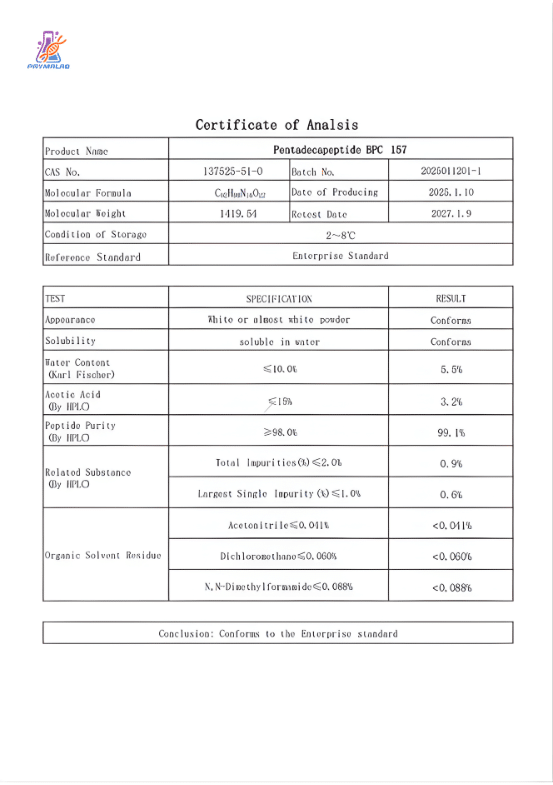
You can buy bpc 157 for research purposes from PrymaLab, a trusted supplier of pharmaceutical-grade research peptides. Our BPC-157 10MG vials contain 99% pure peptide verified by third-party testing, ensuring reliable and reproducible research results. Each vial arrives as lyophilized powder for maximum stability during shipping and storage. When you bpc 157 buy from PrymaLab, you receive comprehensive documentation including certificates of analysis, reconstitution instructions, dosing guidelines, and safety information. We also provide research support resources including our Peptide Calculator for accurate dosing calculations and bacteriostatic water for proper reconstitution. Fast, discreet shipping ensures your research materials arrive quickly and securely. BPC-157 for sale at PrymaLab is intended for research purposes only and is not for human consumption outside approved research settings. Our commitment to quality, purity, and customer support makes PrymaLab the preferred choice for researchers seeking reliable healing peptides for their studies.
The bpc 157 and tb 500 comparison reveals important differences between these healing peptides. BPC-157 works through multiple pathways including growth factor modulation, angiogenesis, collagen synthesis, and anti-inflammatory effects, while TB-500 primarily works through actin-binding and cytoskeletal regulation. BPC-157 peptide shows particularly impressive effects on gastrointestinal tissue and demonstrates broad healing across all tissue types, while TB-500 excels in soft tissue healing especially muscles, tendons, and ligaments. BPC-157 can be administered through multiple routes (injection, oral, topical, nasal) while TB-500 is primarily injected. Typical bpc 157 dosage is 200-500 mcg once or twice daily, while TB-500 uses 2-5 mg 2-3 times per week. BPC-157 may produce faster initial healing responses, while TB-500 is particularly noted for reducing scar tissue and improving flexibility. Both peptides have favorable safety profiles. Many researchers use bpc 157 tb 500 combinations to potentially achieve synergistic healing effects, with the different mechanisms complementing each other. Both are available from PrymaLab individually or as a pre-mixed BPC-157 and TB-500 blend for convenient combination research.
BPC-157 results for injury healing are impressive across multiple research studies. Research shows accelerated tendon healing with up to 50% faster recovery times and improved tissue quality. Ligament injuries heal faster with better tensile strength and reduced risk of re-injury. Muscle tears and strains show enhanced healing with less scar tissue formation and better functional recovery. Bpc 157 before and after studies demonstrate significant improvements in tissue organization, with healed tissues showing better collagen alignment and biomechanical properties more closely resembling normal tissue. Bone fractures heal faster with improved bone density and organization. Gastric ulcers heal rapidly, often within days of treatment initiation. Inflammatory bowel lesions show reduced inflammation and improved healing. Nerve injuries demonstrate enhanced regeneration and better functional recovery. Research in various animal models consistently shows that bpc 157 peptide not only speeds healing but improves the quality of repaired tissue. Studies report reduced pain, improved range of motion, faster return to function, and lower re-injury rates compared to untreated controls. These comprehensive healing benefits make BPC-157 one of the most effective healing compounds available for research into tissue repair and regeneration.
BPC-157 demonstrates an excellent safety profile for research use based on extensive preclinical data. Animal toxicology studies show no significant toxicity even at very high doses, no organ damage with chronic administration, no carcinogenic effects, no hormonal disruption, and no immune suppression. The peptide’s origin from a natural body protection compound found in human gastric juice may contribute to its favorable safety profile. Common bpc 157 side effects are minimal and typically limited to mild injection site reactions or temporary digestive changes, all generally mild and transient. Unlike NSAIDs, bpc-157 doesn’t cause gastric ulcers (it actually heals them) or kidney problems. Unlike corticosteroids, it doesn’t suppress immune function or impair healing. The peptide has been studied in various animal models for extended periods without significant adverse effects. For research use, appropriate safety protocols should include baseline health assessments, ongoing monitoring for any adverse effects, proper documentation of all observations, and clear criteria for dose adjustment or discontinuation if needed. While long-term human safety data remains limited, available research supports bpc 157 peptide as safe for research use with proper protocols and monitoring. The peptide is intended for research purposes only and should be used under appropriate research oversight.
Yes, bpc 157 peptide can be combined with other healing and performance peptides to potentially achieve synergistic effects. The most popular combination is bpc 157 and tb 500, which combines BPC-157’s broad-spectrum healing with TB-500’s soft tissue repair and flexibility benefits. Research suggests these peptides work through complementary mechanisms and may produce better outcomes together than either alone. BPC-157 can also be combined with growth hormone secretagogues like Ipamorelin or CJC-1295 to investigate whether enhanced growth hormone supports healing. Combinations with IGF-1 LR3 might provide complementary anabolic and healing benefits. Some researchers explore bpc-157 with other healing compounds to study multi-pathway healing approaches. When designing combination protocols, researchers should consider potential interactions, adjust doses appropriately (may be able to use lower doses of each when combined), and implement enhanced safety monitoring. The different mechanisms of various peptides may work additively or synergistically, providing valuable research insights. PrymaLab offers pre-mixed BPC-157 and TB-500 blend for convenient combination research, along with individual peptides from our peptides for sale collection for custom combination protocols.
BPC-157 can produce noticeable effects relatively quickly, though the timeline varies based on injury type, severity, and administration protocol. For acute injuries, some research subjects report reduced pain and improved function within 3-7 days of starting treatment. Visible healing improvements often appear within 1-2 weeks, with continued progress over subsequent weeks. Tendon and ligament injuries typically show measurable improvements within 2-4 weeks, though complete healing may take 6-12 weeks depending on severity. Muscle injuries often respond faster, with significant improvements within 1-3 weeks. Gastric ulcers may heal remarkably quickly, sometimes within days of treatment initiation. Inflammatory bowel conditions show gradual improvement over 2-6 weeks. Chronic conditions may require longer treatment periods (8-12+ weeks) to achieve maximum benefits. Bpc 157 peptide effects are generally dose-dependent, with higher doses and more frequent administration potentially producing faster results. The peptide’s effects are cumulative, with continued improvement throughout the treatment period. Most research protocols last 4-12 weeks to allow adequate time for healing. Factors affecting response time include injury severity and chronicity, overall health status, concurrent treatments or therapies, dosing protocol, and individual healing capacity. Researchers should plan protocols with sufficient duration to observe meaningful healing outcomes.
Proper storage of bpc 157 is essential for maintaining peptide potency and stability. Unreconstituted peptide (lyophilized powder) should be stored refrigerated at 2-8°C or frozen at -20°C for maximum shelf life of 2-3 years. Protect from light and moisture by keeping in original packaging until ready to use. The peptide can tolerate short periods at room temperature during shipping without significant degradation. Once reconstituted with bacteriostatic water, bpc 157 peptide MUST be stored refrigerated at 2-8°C – this is critical for maintaining stability. Protect reconstituted solution from light by storing in original vial or wrapping in aluminum foil. Shelf life of reconstituted solution is 30-60 days when properly refrigerated with bacteriostatic water. Never freeze reconstituted solution as this can damage the peptide structure. Discard if solution becomes cloudy, discolored, or contains particles. Always use sterile technique when handling to avoid contamination. Label vials with reconstitution date to track shelf life. Store away from food and beverages in a dedicated research storage area. For travel or temporary storage, use insulated containers with ice packs to maintain refrigeration. Proper storage ensures bpc-157 maintains full potency throughout your research protocol.
BPC-157 10MG represents one of the most versatile and effective healing peptides available for research purposes. With its remarkable ability to promote tissue repair across multiple tissue types, favorable safety profile, and well-documented mechanisms of action, bpc 157 peptide offers researchers an invaluable tool for studying healing, regeneration, and tissue protection.
When you buy bpc 157 from PrymaLab, you receive pharmaceutical-grade peptide with 99% purity, comprehensive documentation and support, detailed administration and dosing guidance, access to research resources and calculators, and fast, discreet shipping. Our commitment to quality ensures your research is built on reliable, reproducible results.
Whether you’re researching tendon healing, gut health, muscle recovery, or any other aspect of tissue repair, BPC-157 provides the healing support your research requires. Explore our complete peptides for sale collection to find all the research compounds you need for comprehensive healing and performance studies.
Order your BPC-157 10MG today and advance your healing research with confidence.
| Weight | N/A |
|---|---|
| Dimensions | N/A |
Only logged in customers who have purchased this product may leave a review.

support@prymalab.net info@prymalab.net

30 Day return window. Satisfaction guaranteed or your money back.

All orders over %150 in value will receive free shipping.
3 reviews for BPC-157 10MG