
What Is a Peptide? Skin Benefits, Types & Complete Guide

A peptide is a short chain of amino acids — typically between 2 and 50, including dipeptide structures and oligopeptides — linked together by peptide bonds. Peptides act as signaling molecules that instruct cells to perform specific functions such as producing collagen, repairing tissue, and reducing inflammation. In skincare, peptides for skin penetrate the epidermal barrier to stimulate collagen synthesis, improve firmness, and reduce visible signs of aging. This comprehensive peptide guide covers everything you need to know: what peptides do, the different types, their proven benefits, potential side effects, and exactly how to incorporate them into your routine.
This evidence-based article explains the science behind peptides, their role in skincare and therapy, and how to use them safely. All claims are supported by peer-reviewed research cited in the references section below.
What Is a Peptide? At a Glance
In this evidence-based guide, you will learn:
- What a peptide is and how it differs from proteins and amino acids
- The four main types of peptides used in skincare and therapy
- What peptides do for skin — collagen production, firmness, hydration
- How peptides compare to retinoids, vitamin C, and AHAs
- How to take peptides — topical, injectable, and oral methods
- Safety, side effects, and who should avoid peptides
What Do Peptides Do? The Science Explained
Understanding what peptides do starts with basic biochemistry. Every protein in your body — from the collagen in your skin to the hemoglobin in your blood — is built from amino acids. When a small number of these amino acids (between 2 and 50) link together through chemical bonds called peptide bonds, they form a peptide through a process known as peptide synthesis. Once a chain exceeds roughly 50 amino acids and folds into a complex three-dimensional shape, it becomes a protein.
Peptides function as biological messengers, playing a vital role in human health, much like hormones such as oxytocin or even acting as a growth factor. They travel through the body and bind to specific receptors on cell surfaces, triggering targeted responses, often influencing the immune system. For example, when certain peptides reach fibroblast cells in the skin, they signal those cells to ramp up collagen production. Other peptides deliver trace minerals to wound sites, relax facial muscles to smooth expression lines, or modulate immune responses, including the action of antimicrobial peptides, to reduce inflammation.
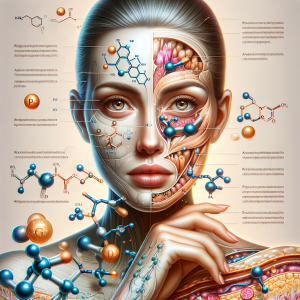
What makes peptides particularly valuable in skincare and medicine is their small size. Unlike larger proteins that cannot penetrate the skin barrier, peptides are compact enough to pass through the epidermis and reach the deeper dermal layers where they can influence protein synthesis and directly affect cellular behavior. This ability to communicate with cells at a molecular level is what sets peptides apart from many other active ingredients.
How Peptides Work at the Cellular Level
When you apply a peptide serum to your skin, the peptide molecules pass through the stratum corneum — the outermost layer of dead skin cells — and enter the living layers beneath, where they can influence protein synthesis. Once there, they interact with cell-surface receptors through a process called receptor-ligand binding. This binding activates intracellular signaling pathways that instruct the cell to perform a specific task, whether that is synthesizing new collagen fibers, producing elastin, or releasing anti-inflammatory compounds.
The specificity of this process is remarkable. Different peptide sequences trigger different responses, which is why researchers have developed dozens of specialized peptides for targeted applications. A signal peptide like palmitoyl pentapeptide-4 (Matrixyl™) mimics a fragment of collagen, effectively "tricking" fibroblasts into thinking collagen levels are low and that production needs to increase. Meanwhile, a copper peptide like GHK-Cu delivers copper ions directly to cells, supporting enzymatic processes essential for tissue repair.
Peptides vs. Polypeptides vs. Proteins: What's the Difference?
One of the most common points of confusion is the relationship between peptides, polypeptides, and proteins. The distinction is primarily about size and structure:
Table 1: Peptides vs. Polypeptides vs. Proteins — Key Differences
| Feature | Peptide | Polypeptide | Protein |
|---|---|---|---|
| Amino Acid Count | 2–50 | 50–100+ | 100+ (often thousands) |
| Structure | Linear chain | Longer chain, may fold | Complex 3D folded structure |
| Skin Penetration | High — passes through barrier | Limited | Very low — too large |
| Primary Role | Signaling & communication | Intermediate building blocks | Structural & functional |
| Examples | Matrixyl, GHK-Cu, Argireline | Insulin, glucagon | Collagen, keratin, elastin |
In simple terms, peptides are the small messengers, polypeptides are medium-length chains that may serve as hormones, and proteins are the large structural and functional molecules that peptides help create. When you use peptides for skin, you are essentially sending targeted instructions to your cells to build more of the proteins — like collagen and elastin — that keep skin firm and youthful, much like how other peptides help build muscle.
Types of Peptides: A Complete List
Not all peptides work the same way. Scientists have identified several distinct categories, each with a unique mechanism of action. Understanding the different types of peptides helps you choose the right products for your specific skin concerns and health goals.
Signal Peptides
Signal peptides are the most widely used category in anti-aging skincare. They work by sending direct messages to fibroblasts — the cells responsible for producing collagen, elastin, and other structural proteins. When signal peptides reach these cells, they essentially say "produce more collagen now," triggering increased synthesis of the proteins that maintain skin firmness and elasticity.
Popular signal peptides include:
- Palmitoyl pentapeptide-4 (Matrixyl™) — mimics collagen fragments to boost production; one of the most clinically studied peptides in skincare
- Palmitoyl tripeptide-1 — stimulates collagen I, III, and fibronectin synthesis
- Palmitoyl tripeptide-5 — activates TGF-β to promote collagen growth
Carrier Peptides
Carrier peptides serve as delivery vehicles, transporting essential trace elements — particularly copper — to cells that need them for repair and regeneration. Copper peptides are the most well-known in this category, combining a peptide sequence with copper ions to support enzymatic functions critical for wound healing and tissue remodeling.
Key carrier peptides:
- GHK-Cu (copper tripeptide-1) — stimulates collagen, elastin, and glycosaminoglycan production; promotes wound healing and has anti-inflammatory properties
- Manganese tripeptide-1 — delivers manganese to support antioxidant enzyme activity
Enzyme-Inhibitor Peptides
Rather than building new collagen, enzyme-inhibitor peptides protect the collagen you already have. They work by blocking enzymes called matrix metalloproteinases (MMPs) — particularly collagenase — that break down collagen fibers as part of the natural aging process. By slowing this degradation, these peptides help maintain existing skin structure and prevent premature sagging.
Notable enzyme-inhibitor peptides:
- Soy peptides — inhibit protease enzymes that degrade skin proteins
- Rice peptides — block MMP activity and support barrier function
Neurotransmitter-Inhibitor Peptides
Often called "Botox-like" peptides, neurotransmitter-inhibitor peptides work by interfering with the chemical signals that cause facial muscles to contract. By reducing muscle movement, they soften the appearance of dynamic wrinkles — the lines that form from repeated expressions like smiling, frowning, and squinting. While less potent than injectable neurotoxins, these peptides offer a non-invasive alternative for reducing expression lines.
Leading neurotransmitter-inhibitor peptides:
- Acetyl hexapeptide-3 (Argireline) — inhibits SNARE complex formation to reduce muscle contraction
- SNAP-8 (acetyl octapeptide-3) — an extended version of Argireline with enhanced wrinkle-smoothing effects
- Pentapeptide-18 (Leuphasyl) — mimics enkephalins to reduce neurotransmitter release
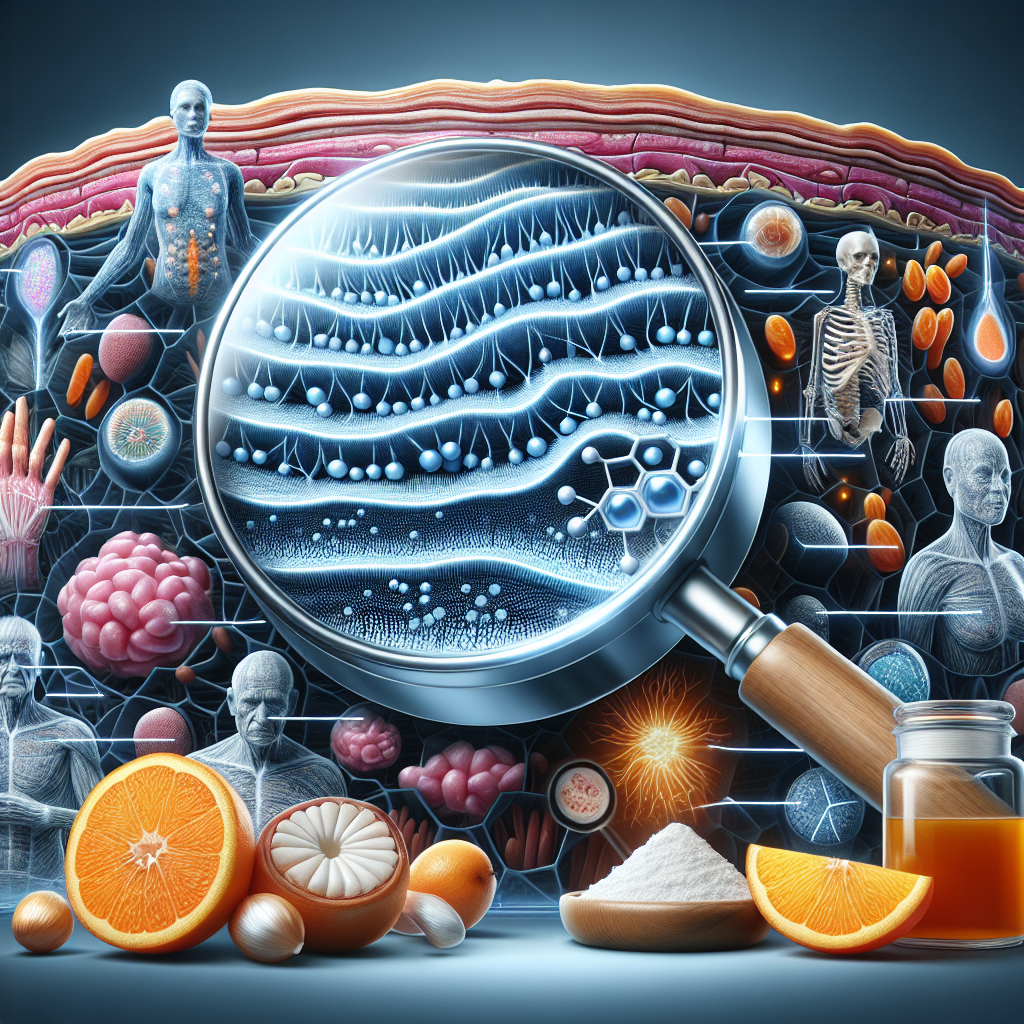
Types of Peptides Summary
- Signal peptides (Matrixyl, palmitoyl tripeptide-1) directly boost collagen and elastin production
- Carrier peptides (GHK-Cu) deliver essential minerals like copper for tissue repair
- Enzyme-inhibitor peptides protect existing collagen by blocking degradation enzymes
- Neurotransmitter-inhibitor peptides (Argireline, SNAP-8) relax muscles to reduce expression lines
What Do Peptides Do for Skin? Benefits Explained
The question "what do peptides do for skin" and the broader effects of peptides on overall skin health has a multifaceted answer. Peptides deliver a range of health benefits that address nearly every aspect of skin aging and health. Here is what the research shows about the specific ways peptides benefit skin.
Collagen Production and Anti-Aging
Collagen is the most abundant protein in human skin, forming the structural scaffolding that keeps it firm, plump, and resilient. After age 25, collagen production declines by approximately 1% per year, and this loss accelerates after menopause. The result is thinner skin, fine lines, wrinkles, and loss of volume.
Signal peptides directly address this decline by activating collagen regeneration. Clinical studies on palmitoyl pentapeptide-4 (Matrixyl) have demonstrated measurable increases in collagen types I, III, and IV after 8–12 weeks of consistent use. A 2023 study published in the Journal of Cosmetic Dermatology found that participants using a 4% Matrixyl formulation showed a 15–20% improvement in wrinkle depth compared to placebo.
Skin Firmness and Elasticity
Firmness depends on the interplay between collagen, elastin, and hyaluronic acid within the dermal matrix. Peptides enhance all three components. Copper peptides (GHK-Cu) are particularly effective because they stimulate collagen and elastin synthesis simultaneously while also promoting the production of glycosaminoglycans — the molecules that attract and retain moisture in the skin.
This triple-action approach means that peptide skincare products can improve not just wrinkle depth but also overall skin texture, bounce, and resilience. Over time, consistent use creates a visibly firmer, tighter complexion without the need for invasive procedures.
Hydration and Barrier Repair
Beyond structural proteins, peptides support the skin's moisture barrier. Certain peptides stimulate the production of ceramides and natural moisturizing factors (NMFs) that prevent transepidermal water loss (TEWL). A stronger barrier means better hydration retention, reduced sensitivity, and improved protection against environmental stressors like pollution and UV radiation.

Peptides vs. Other Anti-Aging Ingredients
The anti-aging market offers numerous active ingredients, each with distinct strengths and limitations. Understanding how peptides compare to other popular actives helps you build a balanced, effective skincare routine.
Table 2: Peptides vs. Retinoids vs. Vitamin C vs. AHAs — Comparison
| Feature | Peptides | Retinoids | Vitamin C | AHAs |
|---|---|---|---|---|
| Primary Action | Signal collagen production | Accelerate cell turnover | Antioxidant protection | Exfoliate dead cells |
| Collagen Boost | Direct signaling | Indirect via cell renewal | Supports synthesis | Minimal |
| Irritation Risk | Very low | Moderate to high | Low to moderate | Moderate |
| Sensitive Skin | Excellent | Often problematic | Generally OK | Use with caution |
| Results Timeline | 4–12 weeks | 4–12 weeks | 4–8 weeks | 2–4 weeks |
| Sun Sensitivity | None | Increased | None | Increased |
| Best For | Firmness, repair, all skin types | Wrinkles, acne, texture | Brightening, protection | Texture, tone |
The key advantage of peptides is their gentle yet effective profile. Unlike retinoids, which can cause peeling, redness, and photosensitivity, peptides rarely trigger irritation. This makes them ideal for sensitive skin types and for use alongside other actives. In fact, peptides and retinoids work synergistically — peptides provide the building blocks for collagen while retinoids accelerate the turnover process that brings fresh cells to the surface.
For optimal results, many dermatologists recommend combining peptides with vitamin C in the morning (for antioxidant protection plus collagen support) and pairing peptides with retinoids in the evening (for maximum anti-aging benefit). This layered approach harnesses multiple anti-aging mechanisms while minimizing the risk of irritation.
How Do You Take Peptides? Methods & Routine
There are three primary ways to use peptides: topically, via injection, and orally. Each method has different applications, absorption rates, and considerations. Here is a breakdown of how to use peptides effectively.
Topical Peptide Skincare Routine (Step-by-Step)
For most people, topical application is the easiest and most accessible way to benefit from peptides. Follow this evidence-based routine for best results:
-
1Cleanse
Use a gentle, pH-balanced cleanser to remove impurities without stripping the skin barrier. Avoid harsh sulfates that can compromise peptide absorption.
-
2Tone (Optional)
Apply a mild, hydrating toner to balance skin pH. Avoid highly acidic toners (pH below 3.5) immediately before peptides, as extreme acidity can degrade peptide structures.
-
3Apply Peptide Serum
While skin is still slightly damp, apply 3–4 drops of peptide serum. Damp skin enhances absorption by up to 10x compared to dry application. Gently press — do not rub — into the skin.
-
4Moisturize
Follow with a moisturizer containing complementary ingredients like ceramides, hyaluronic acid, or niacinamide. This seals in the peptides and supports barrier function.
-
5Sunscreen (AM Only)
In the morning, always finish with a broad-spectrum SPF 30+ sunscreen. While peptides themselves do not increase sun sensitivity, UV exposure degrades collagen — counteracting the peptides' benefits.
Consistency is essential. Peptide-driven changes occur at the cellular level and typically require 4 to 12 weeks of twice-daily application to produce visible improvements in firmness, texture, and wrinkle depth.
Peptide Injections and Therapy
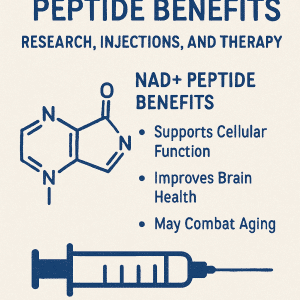
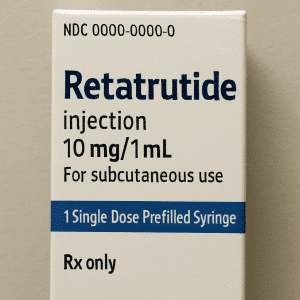
Peptide therapy via subcutaneous injection is a growing field in regenerative medicine. Injectable peptides bypass the skin barrier entirely, delivering bioactive compounds directly into the bloodstream or target tissues. Common applications include immune support (Thymosin Alpha-1), muscle recovery and muscle growth, fat loss and weight loss, and anti-aging protocols, sometimes involving the regulation of growth hormone or GLP-1.
Injectable peptides, including those related to GHS or human growth hormone, should only be administered under the guidance of a qualified healthcare provider. Proper dosing, sterile technique, and medical monitoring are essential for safety and efficacy.
Oral Peptide Supplements
Oral peptide supplements — particularly collagen peptides — have gained significant popularity. These hydrolyzed peptides are broken down into small enough fragments to survive digestion and be absorbed through the intestinal lining. Research published in Nutrients (2019) found that daily supplementation with 2.5–10 grams of collagen peptides for 8 weeks significantly improved skin elasticity and hydration compared to placebo.
Are Peptides Safe? Side Effects & Risks
Safety is a top concern for anyone considering peptides, whether for skincare, therapeutic use, or general wellness. The good news is that peptides are generally well-tolerated, but there are important distinctions between topical and injectable forms.
Topical Peptide Safety
Topical peptides have an excellent safety profile. Because they mimic naturally occurring compounds in the body, they rarely trigger allergic reactions or irritation. Most clinical trials report adverse event rates comparable to placebo. Peptides are safe for virtually all skin types, including sensitive, rosacea-prone, and post-procedure skin.
Occasional mild side effects may include:
- Temporary tingling or warmth upon application
- Mild redness in very sensitive individuals (usually resolves within minutes)
- Rare allergic reactions to carrier ingredients (not the peptides themselves)
Injectable Peptide Side Effects
Injectable peptide therapy carries more potential for side effects due to systemic absorption. Commonly reported effects include:
-
1Injection Site Reactions
Redness, swelling, and itching at the injection site are the most common side effects and typically resolve within 24–48 hours.
-
2Systemic Effects
Headaches, dizziness, water retention, or bloating may occur, particularly during the initial adjustment period.
-
3Metabolic Changes
Some peptides may affect blood sugar levels, blood pressure, or cause fatigue and flushing, impacting cardiovascular health. Monitoring is recommended during therapy.
-
4Rare Serious Effects
Serious adverse effects are uncommon but possible, particularly with improper dosing or unregulated products. Medical supervision is essential.
Who Should Avoid Peptides?
While topical peptides are safe for most people, certain groups should exercise caution:
- Pregnant or nursing women — limited safety data for injectable peptides; topical peptides are generally considered safe but consult your OB-GYN
- Individuals with active skin infections — wait until the infection resolves before applying peptide products
- People with known peptide allergies — rare but possible; patch test new products first
- Those on immunosuppressive therapy — some peptides modulate immune function; consult your physician
Injectable peptides should never be self-administered without proper medical guidance. Always source peptides from reputable, third-party tested suppliers and consult a qualified healthcare provider before beginning any peptide therapy protocol.
This article is for informational and educational purposes only. The information provided is not intended to diagnose, treat, cure, or prevent any disease or health condition. Peptide products discussed are intended for research and educational purposes. Always consult a qualified healthcare professional before making any health-related decisions or starting any new supplement or therapy regimen.
Frequently Asked Questions About Peptides
Below are the most commonly asked questions about peptides, answered based on peer-reviewed clinical research and established scientific literature.
Peptides are short chains of amino acids that act as signaling molecules in the body. They communicate with cells to trigger specific biological responses such as collagen production, tissue repair, inflammation reduction, and hormone regulation. In skincare, peptides signal fibroblasts to produce more collagen and elastin, improving firmness and reducing wrinkles.
Peptides in skincare are bioactive amino acid chains formulated into serums, creams, and treatments. They penetrate the skin barrier to signal cells to boost collagen production, improve elasticity, and repair damage. Common skincare peptides include palmitoyl pentapeptide-4 (Matrixyl), copper peptides (GHK-Cu), and acetyl hexapeptide-3 (Argireline).
Peptides benefit skin by stimulating collagen and elastin production, strengthening the skin barrier, improving hydration, reducing fine lines and wrinkles, evening skin tone, and promoting wound healing. Signal peptides boost structural proteins, while copper peptides support tissue repair and neurotransmitter peptides relax expression lines.
Peptides work by acting as biological messengers. When applied topically or administered via injection, they bind to specific receptors on cell surfaces and trigger targeted responses. For example, signal peptides mimic collagen fragments, prompting fibroblasts to increase collagen synthesis. Carrier peptides deliver trace minerals like copper to support enzymatic repair processes.
Topical peptides in skincare are generally considered safe for most skin types, including sensitive skin. They rarely cause irritation compared to retinoids or acids. Injectable peptides should only be used under medical supervision. Always consult a qualified healthcare professional before starting any peptide therapy, especially if you are pregnant, nursing, or have existing health conditions.
Topical peptides rarely cause side effects beyond mild tingling or redness in sensitive individuals. Injectable peptides may cause injection site reactions, headaches, water retention, or changes in blood sugar. Serious side effects are uncommon but possible. Always start with lower concentrations and consult a healthcare provider before using injectable peptide therapies.
Peptides can be taken topically (serums, creams), via subcutaneous injection, or orally (capsules, powders). For skincare, apply peptide serum to clean, slightly damp skin twice daily before moisturizer. Injectable peptides require medical guidance for proper dosing. Oral peptide supplements like collagen peptides are taken daily with water, typically 5–15 grams per serving.
The primary difference is size. Peptides contain 2 to 50 amino acids, while proteins contain 50 or more amino acids folded into complex three-dimensional structures. Peptides are smaller, more easily absorbed through the skin, and act primarily as signaling molecules. Proteins like collagen and keratin serve structural and functional roles in the body.
Topical peptide skincare products are legal and widely available over the counter in the US. Research peptides are legal to purchase for laboratory and research purposes. However, some injectable peptides require a prescription. The FDA regulates peptide therapies differently based on their intended use, and regulations continue to evolve as of 2026.
Yes, many peptide products are available over the counter. Topical peptide serums, creams, and moisturizers can be purchased at pharmacies, beauty retailers, and online stores without a prescription. Oral collagen peptide supplements are also widely available. However, injectable peptides and certain therapeutic peptides may require a prescription from a licensed healthcare provider.
What You Need to Remember About Peptides
- A peptide is a short chain of 2–50 amino acids that acts as a signaling molecule, instructing cells to perform specific functions like collagen production
- Four main types of peptides exist: signal peptides (boost collagen), carrier peptides (deliver minerals), enzyme-inhibitor peptides (protect collagen), and neurotransmitter-inhibitor peptides (relax muscles)
- Peptides for skin stimulate collagen and elastin production, improve firmness, enhance hydration, and reduce fine lines with minimal irritation risk
- Peptides are gentler than retinoids and complement other actives like vitamin C and AHAs for a synergistic anti-aging approach
- Apply peptide serum to clean, damp skin twice daily for 4–12 weeks to see visible improvements in firmness and wrinkle depth
- Topical peptides are safe for most skin types; injectable peptides require medical supervision and proper dosing protocols
- Always consult a healthcare professional before starting injectable peptide therapy, especially for YMYL health decisions

Explore Research-Grade Peptides
PrymaLab offers pharma-grade peptides for research purposes, including GHK-Cu, Thymosin Alpha-1, BPC-157, and more. All products are third-party tested for purity and potency.
Browse Peptide Products →References & Further Reading
The following peer-reviewed sources were used in the preparation of this article. All citations link to their original publications for verification.
- Schagen, S.K. (2017). "Topical Peptide Treatments with Effective Anti-Aging Results." Cosmetics, 4(2), 16. doi:10.3390/cosmetics4020016
- Pickart, L., Vasquez-Soltero, J.M., & Margolina, A. (2015). "GHK Peptide as a Natural Modulator of Multiple Cellular Pathways in Skin Regeneration." BioMed Research International, 2015, 648108. doi:10.1155/2015/648108
- Choi, F.D., Sung, C.T., Juhasz, M.L., & Mesinkovsk, N.A. (2019). "Oral Collagen Supplementation: A Systematic Review of Dermatological Applications." Journal of Drugs in Dermatology, 18(1), 9–16. PMID: 30681787
- Gorouhi, F. & Maibach, H.I. (2009). "Role of Topical Peptides in Preventing or Treating Aged Skin." International Journal of Cosmetic Science, 31(5), 327–345. doi:10.1111/j.1468-2494.2009.00499.x
- Bolke, L., Schlippe, G., Gerß, J., & Voss, W. (2019). "A Collagen Supplement Improves Skin Hydration, Elasticity, Roughness, and Density." Nutrients, 11(10), 2494. doi:10.3390/nu11102494
- Errante, F., Ledwoń, P., Bhatt, T.K., et al. (2023). "Cosmeceutical Peptides in the Framework of Sustainable Chemistry." International Journal of Molecular Sciences, 24(4), 3353. doi:10.3390/ijms24043353
- Lima, T.N. & Pedriali Moraes, C.A. (2018). "Bioactive Peptides: Applications and Relevance for Cosmeceuticals." Cosmetics, 5(1), 21. doi:10.3390/cosmetics5010021

-10MG-New-300x300.png)