

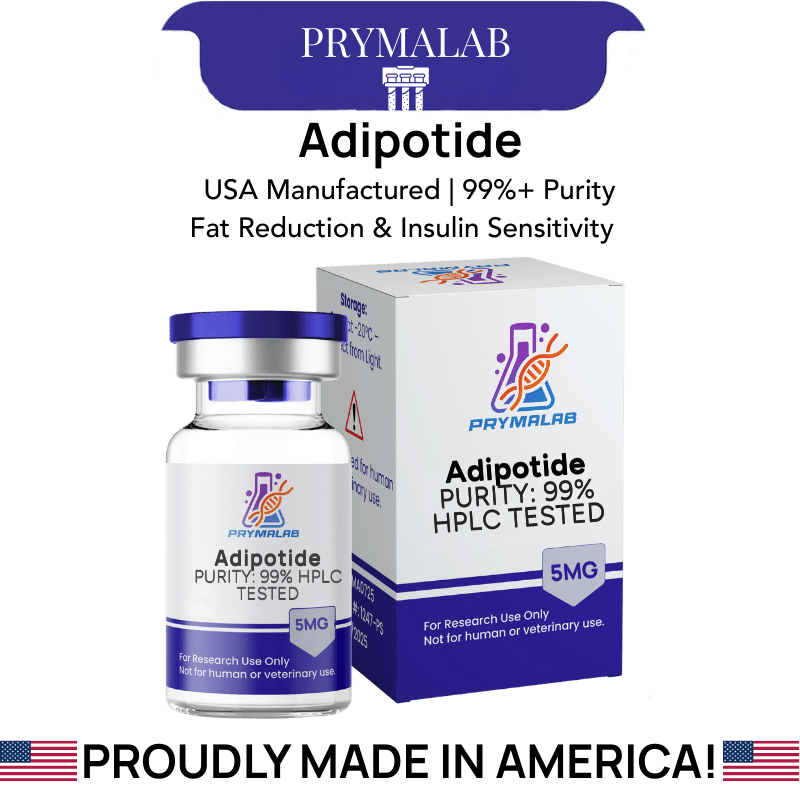
Adipotide (FTPP) is a research peptidomimetic that selectively targets prohibitin on adipose tissue vasculature to deliver a pro-apoptotic sequence, destroying fat-supplying blood vessels and inducing fat cell loss—distinct from traditional metabolic or hormonal methods. Preclinical rodent and primate studies and a Phase 1 human trial showed dose-dependent, largely fat-selective weight loss and metabolic improvements, with potential preferential effects on visceral fat. Clinical development was halted in 2011 due to dose-limiting kidney toxicity, underscoring a narrow therapeutic window. This document details mechanism of action, research history, benefits, dosing and administration protocols, safety and monitoring, contraindications, regulatory/ethical considerations, and research-only product information.
What is Adipotide (FTPP)?
Adipotide peptide , also known as FTPP (Fat-Targeted Proapoptotic Peptide), represents a revolutionary approach to fat loss research through selective vascular targeting. This innovative peptidomimetic compound consists of two functional components: a prohibitin-targeting sequence that directs the peptide to blood vessels supplying white adipose tissue, and a pro-apoptotic sequence that induces programmed cell death in those vessels. The result is a highly selective mechanism for reducing fat mass that differs fundamentally from traditional metabolic or hormonal approaches to weight management.
The development of adipotide emerged from research into tumor vasculature targeting, where scientists discovered that certain peptide sequences could selectively bind to receptors on blood vessels supplying tumors. Researchers recognized that white adipose tissue, like tumors, requires extensive vascularization to maintain its blood supply and nutrient delivery. By adapting vascular targeting technology to adipose tissue, they created ftpp adipotide as a tool for studying targeted fat reduction through blood vessel destruction.
The molecular structure of adipotide peptide is elegantly designed for its purpose. The targeting sequence (CKGGRAKDC) binds specifically to prohibitin, a protein that is preferentially expressed on the surface of endothelial cells lining blood vessels in white adipose tissue. This prohibitin expression pattern provides the selectivity that allows adipotide to distinguish fat tissue vasculature from blood vessels in other organs. Once the peptide binds to prohibitin receptors, it is internalized into the endothelial cells through receptor-mediated endocytosis.
The second component of ftpp adipotide is the pro-apoptotic sequence D(KLAKLAK)2, a synthetic peptide that disrupts mitochondrial membranes when it enters cells. In the bloodstream, this sequence is relatively inactive because it cannot cross cell membranes on its own. However, once the targeting sequence delivers it inside endothelial cells of adipose tissue blood vessels, the D(KLAKLAK)2 peptide disrupts mitochondrial function, triggering apoptosis (programmed cell death) in those specific cells. This leads to destruction of the blood vessels supplying fat tissue.
When blood vessels supplying adipose tissue are destroyed, the fat cells they nourish are deprived of oxygen and nutrients. Without adequate blood supply, adipocytes (fat cells) undergo apoptosis and are gradually cleared by the body’s natural waste removal systems. This process results in reduction of fat mass in areas where adipotide has targeted the vasculature. Importantly, the selectivity of the targeting mechanism means that blood vessels in other tissues are largely spared, providing a degree of specificity not achievable with systemic metabolic interventions.
Research with adipotide has demonstrated remarkable fat loss effects in preclinical models. Studies in obese rhesus monkeys showed that adipotide human trials potential was supported by dramatic weight loss of up to 27% over just 4 weeks of treatment, with fat mass reductions of approximately 39% while lean body mass was preserved. These results were far more dramatic than typically seen with dietary interventions or metabolic compounds, highlighting the potency of vascular targeting as a fat loss mechanism.
Human clinical trials with adipotide peptide progressed to Phase 1 studies in obese patients with type 2 diabetes. These trials demonstrated dose-dependent weight loss, with subjects losing significant amounts of body weight over the treatment period. The fat loss was accompanied by improvements in metabolic parameters including blood glucose control and insulin sensitivity. However, clinical development was ultimately halted in 2011 due to kidney-related safety concerns that emerged at higher doses, though lower doses showed acceptable tolerability.
Despite the discontinuation of clinical development, adipotide remains highly valuable for research purposes. The compound provides unique insights into adipose tissue biology, vascular targeting mechanisms, and the relationship between tissue blood supply and fat mass regulation. Researchers studying obesity, body composition, and metabolic health find ftpp adipotide to be an invaluable tool for understanding how targeted interventions might address fat accumulation more selectively than traditional approaches.
When researchers buy adipotide from PrymaLab, they receive pharmaceutical-grade peptide manufactured to the highest quality standards. Each 5mg vial contains 99% pure adipotide verified by third-party testing, ensuring reliable and reproducible research results. The peptide arrives as lyophilized powder for maximum stability, ready for reconstitution with ++bacteriostatic water++ when research protocols begin.
Understanding Adipose Tissue Vasculature and Fat Biology
To fully appreciate how adipotide peptide works, it’s essential to understand the role of blood vessels in adipose tissue maintenance and growth. White adipose tissue, the primary form of fat storage in the body, is a highly vascularized organ that requires extensive blood vessel networks to function. Each adipocyte must be within close proximity to a capillary to receive oxygen and nutrients and to release stored fatty acids when energy is needed.
Adipose tissue vasculature is dynamic and responds to changes in fat mass. When individuals gain weight, adipose tissue expands through both hypertrophy (existing fat cells growing larger) and hyperplasia (formation of new fat cells from precursor cells). This expansion requires angiogenesis, the formation of new blood vessels, to ensure adequate blood supply to the growing tissue. Without sufficient vascularization, adipose tissue cannot expand effectively, and fat cells in poorly vascularized areas may undergo hypoxia and cell death.
The relationship between adipose tissue and its blood supply is bidirectional. Fat cells secrete factors that promote angiogenesis, including vascular endothelial growth factor (VEGF) and other pro-angiogenic signals. These factors stimulate endothelial cells to proliferate and form new blood vessels that penetrate the expanding fat tissue. Conversely, blood vessels provide not just oxygen and nutrients but also deliver hormones, immune cells, and other factors that regulate adipocyte function.
Importantly, the blood vessels supplying white adipose tissue express distinct molecular markers that differentiate them from vasculature in other tissues. One of these markers is prohibitin, a protein that appears on the surface of endothelial cells in adipose tissue vasculature at higher levels than in most other organs. This differential expression pattern is what makes vascular targeting of fat tissue possible and is the basis for adipotide’s selectivity.
The concept of targeting adipose tissue vasculature for fat loss emerged from cancer research, where scientists developed peptides that could selectively bind to and destroy tumor blood vessels. Tumors, like adipose tissue, require extensive vascularization to grow and survive. By destroying tumor vasculature, researchers could starve tumors of their blood supply, causing tumor regression. The same principle applies to ftpp adipotide and fat tissue — by destroying the blood vessels supplying adipose depots, the compound effectively starves fat cells of their blood supply.
When adipotide destroys blood vessels in adipose tissue, several processes occur. First, the immediate loss of blood flow causes hypoxia (oxygen deprivation) in nearby adipocytes. Fat cells are metabolically active and require oxygen for their various functions, so hypoxia triggers stress responses. Second, the loss of nutrient delivery means adipocytes cannot maintain their normal metabolic activities or respond to hormonal signals effectively. Third, without blood vessel access, adipocytes cannot release stored fatty acids into circulation when the body needs energy.
These combined stresses lead to adipocyte apoptosis, the programmed cell death pathway that allows cells to be removed without causing inflammation or tissue damage. As fat cells die, they are engulfed by macrophages and other immune cells that clear the cellular debris. The fat stored in these cells is metabolized and removed from the body through normal metabolic pathways. Over time, this process results in reduction of fat mass in the targeted areas.
Interestingly, research suggests that adipotide peptide may preferentially affect visceral adipose tissue (fat surrounding internal organs) compared to subcutaneous fat (fat under the skin). Visceral fat is more highly vascularized than subcutaneous fat and may express higher levels of prohibitin on its blood vessels, making it more susceptible to adipotide’s targeting mechanism. This preferential effect on visceral fat is particularly valuable from a health perspective, as visceral adiposity is more strongly associated with metabolic disease, cardiovascular risk, and other health problems than subcutaneous fat.
The selectivity of ftpp adipotide for adipose tissue vasculature, while impressive, is not absolute. At higher doses, the compound can affect blood vessels in other tissues, particularly the kidneys, which led to the safety concerns that halted clinical development. This highlights the importance of dose selection in research protocols and the need for careful monitoring when using this powerful compound. Understanding the balance between efficacy and safety is a key aspect of adipotide research.
Adipotide Mechanism of Action: Vascular Targeting for Fat Loss
The mechanism by which adipotide promotes fat loss involves a sophisticated sequence of molecular events, all stemming from its dual-component design as a vascular targeting agent. Understanding these mechanisms in detail helps researchers design effective protocols and interpret research results accurately.
Primary Mechanism — Prohibitin Targeting:
When adipotide peptide is administered, it enters the bloodstream and circulates throughout the body. The CKGGRAKDC targeting sequence at the N-terminus of the peptide has high binding affinity for prohibitin, a protein expressed on the surface of endothelial cells. While prohibitin is present in various tissues, its surface expression on blood vessel endothelium is particularly high in white adipose tissue, providing the selectivity that makes ftpp adipotide effective for targeted fat loss.
The binding of adipotide to prohibitin receptors on adipose tissue blood vessels is the critical first step in its mechanism. This binding is specific and high-affinity, meaning the peptide preferentially accumulates in adipose tissue vasculature compared to other organs. Once bound, the peptide-receptor complex is internalized through receptor-mediated endocytosis, a process where the cell membrane engulfs the bound peptide and brings it inside the cell in a vesicle.
Cellular Internalization and Pro-Apoptotic Action:
Once inside endothelial cells, the pro-apoptotic component of adipotide peptide becomes active. The D(KLAKLAK)2 sequence is a synthetic peptide designed to disrupt mitochondrial membranes. In the bloodstream, this sequence cannot enter cells on its own because it lacks the ability to cross cell membranes. However, once delivered inside cells by the targeting sequence, it gains access to intracellular compartments including mitochondria.
Mitochondria are the powerhouses of cells, generating the ATP energy that cells need to function. They have a double membrane structure, and the integrity of these membranes is essential for mitochondrial function and cell survival. The D(KLAKLAK)2 peptide disrupts mitochondrial membranes through its amphipathic structure, which allows it to insert into lipid bilayers and create pores or otherwise compromise membrane integrity.
When mitochondrial membranes are disrupted, several catastrophic events occur in the cell. First, the electrochemical gradient across the inner mitochondrial membrane collapses, halting ATP production. Second, pro-apoptotic factors normally sequestered in mitochondria are released into the cytoplasm, including cytochrome c, which activates the caspase cascade leading to apoptosis. Third, reactive oxygen species production increases, causing oxidative stress that further damages cellular components.
Endothelial Cell Apoptosis and Vessel Destruction:
The combined effects of mitochondrial disruption trigger programmed cell death (apoptosis) in the endothelial cells that have internalized adipotide. Apoptosis is a controlled process where cells systematically dismantle themselves without causing inflammation or damage to surrounding tissues. The dying endothelial cells detach from the blood vessel wall, leaving gaps in the vessel lining.
As multiple endothelial cells in a blood vessel undergo apoptosis, the structural integrity of the vessel is compromised. Blood vessels are essentially tubes made of endothelial cells supported by basement membrane and sometimes smooth muscle cells. When the endothelial lining is destroyed, the vessel can no longer maintain blood flow effectively. The vessel may collapse, become blocked by blood clots, or simply cease to function as a conduit for blood.
The destruction of blood vessels in adipose tissue has immediate consequences for the fat cells they supply. Without blood flow, adipocytes are deprived of oxygen (hypoxia) and nutrients (glucose, fatty acids, amino acids). They also lose the ability to release stored fatty acids into circulation or respond to hormonal signals like insulin or catecholamines that normally regulate fat metabolism.
Adipocyte Apoptosis and Fat Mass Reduction:
The hypoxic and nutrient-deprived environment created by blood vessel destruction triggers stress responses in adipocytes. Fat cells attempt to adapt to these conditions, but if blood flow is not restored, they eventually undergo apoptosis themselves. The adipotide results observed in research studies reflect this secondary adipocyte death following vascular targeting.
As adipocytes die, they are recognized and cleared by macrophages, immune cells that specialize in removing dead cells and debris. The lipids stored in dying fat cells are released and metabolized through normal pathways. Some fatty acids are taken up by other tissues for energy, while others may be processed by the liver. The overall effect is a reduction in fat mass in areas where ftpp adipotide has successfully targeted the vasculature.
Selectivity and Tissue Specificity:
The selectivity of adipotide peptide for adipose tissue vasculature is impressive but not absolute. The degree of selectivity depends on the differential expression of prohibitin on blood vessel endothelium in different tissues. White adipose tissue expresses high levels of surface prohibitin, making it a primary target. However, other tissues also express prohibitin to varying degrees, and at higher doses of adipotide, off-target effects can occur.
The kidneys, in particular, showed susceptibility to adipotide effects in clinical trials, with kidney-related side effects being the primary safety concern that halted development. This likely reflects prohibitin expression in renal vasculature or glomerular cells. Understanding this dose-dependent selectivity is crucial for research protocol design, as lower doses may provide adequate fat loss effects while minimizing off-target toxicity.
Temporal Dynamics and Dose-Response:
The time course of adipotide’s effects follows a predictable pattern. After administration, the peptide circulates and binds to target vessels within hours. Endothelial cell apoptosis begins within 24-48 hours, and vessel destruction becomes apparent within several days. Adipocyte apoptosis and fat mass reduction occur over subsequent weeks as the full effects of vascular targeting manifest.
The adipotide dosage used in research directly affects both the magnitude and selectivity of effects. Lower doses may preferentially target adipose tissue with minimal off-target effects, while higher doses produce more dramatic fat loss but increase the risk of affecting other tissues. Research protocols must carefully balance efficacy and safety through appropriate dose selection.
Regeneration and Reversibility:
An important aspect of adipotide’s mechanism is the potential for vascular regeneration after treatment cessation. Blood vessels have the capacity to regenerate through angiogenesis, and adipose tissue is particularly adept at stimulating new vessel formation. After ftpp adipotide treatment ends, surviving adipocytes and adipose tissue stromal cells can secrete pro-angiogenic factors that promote new blood vessel growth.
This regenerative capacity means that the effects of adipotide may not be permanent without ongoing treatment or lifestyle modifications to prevent fat regain. However, it also provides a safety margin — if off-target vascular effects occur, cessation of treatment allows for tissue recovery through revascularization. This reversibility is an important consideration in research protocol design and safety planning.
Clinical Research and Adipotide Studies
Adipotide has been studied extensively in preclinical models and has progressed to human clinical trials, providing substantial data on its effects, safety profile, and potential applications. Understanding this research history helps researchers design effective protocols and interpret their findings in context.
Preclinical Studies — Proof of Concept:
Early research with adipotide peptide in rodent models demonstrated the feasibility of vascular targeting for fat loss. Studies in diet-induced obese mice showed that administration of the compound led to significant reductions in body weight and fat mass. Histological examination of adipose tissue from treated animals revealed evidence of blood vessel destruction and adipocyte apoptosis, confirming the proposed mechanism of action.
These initial studies established several important principles. First, they confirmed that ftpp adipotide could selectively target adipose tissue vasculature with relative sparing of other organs at appropriate doses. Second, they showed that the fat loss achieved was accompanied by improvements in metabolic parameters including insulin sensitivity and glucose tolerance. Third, they demonstrated that the effects were dose-dependent, with higher doses producing greater fat loss but also increased risk of adverse effects.
Primate Studies — Translational Research:
The most dramatic preclinical results came from studies in obese rhesus monkeys, which provided crucial translational data supporting human trials. In these studies, obese monkeys received daily subcutaneous injections of adipotide at doses ranging from 0.25 to 2.5 mg/kg body weight. The results were remarkable, with treated animals losing up to 27% of their body weight over 4 weeks of treatment.
Body composition analysis revealed that the weight loss was primarily fat mass, with approximately 39% reduction in adipose tissue while lean body mass was largely preserved. This selective fat loss distinguished adipotide results from simple caloric restriction, which typically causes loss of both fat and lean tissue. The monkeys also showed reductions in waist circumference, improvements in insulin sensitivity, and decreases in markers of metabolic dysfunction.
Importantly, the primate studies also revealed dose-limiting toxicities. At the highest doses tested (2.5 mg/kg), some animals developed kidney-related problems including increased serum creatinine and proteinuria, indicating kidney damage. These findings suggested that while adipotide was highly effective for fat loss, there was a relatively narrow therapeutic window between effective doses and those causing adverse effects.
Phase 1 Human Clinical Trial:
Based on promising preclinical data, adipotide human trials progressed to Phase 1 studies in humans. These trials enrolled obese patients with type 2 diabetes and tested escalating doses of adipotide peptide administered as daily subcutaneous injections. The primary goals were to assess safety, tolerability, and pharmacokinetics, with secondary endpoints including effects on body weight and metabolic parameters.
The Phase 1 trial demonstrated that adipotide could produce weight loss in humans, with dose-dependent effects on body weight. Subjects receiving the compound lost significantly more weight than those receiving placebo, with the magnitude of weight loss increasing with dose. The fat loss was accompanied by improvements in glycemic control, with reductions in fasting glucose and HbA1c levels in diabetic subjects.
However, the trial also revealed safety concerns that would ultimately halt development. At higher doses, some subjects experienced kidney-related adverse events including increased serum creatinine, proteinuria, and in some cases, more serious kidney dysfunction. These adipotide side effects were consistent with the kidney toxicity observed in primate studies and raised concerns about the compound’s safety profile at doses needed for significant weight loss.
Clinical Development Discontinuation:
In 2011, the pharmaceutical company developing adipotide (Arrowhead Research Corporation, in partnership with The University of Texas MD Anderson Cancer Center) announced the discontinuation of clinical development. The decision was based on the kidney toxicity observed in clinical trials, which suggested that the therapeutic window between effective doses for weight loss and doses causing kidney damage was too narrow for safe therapeutic use.
The company stated that while the compound showed proof-of-concept for vascular targeting as a weight loss mechanism, the safety profile did not support continued development for obesity treatment. The kidney effects appeared to be mechanism-based, resulting from adipotide’s effects on renal vasculature or glomerular cells, rather than off-target toxicity that might be engineered away through structural modifications.
Research Implications and Ongoing Value:
Despite the discontinuation of clinical development, adipotide remains highly valuable for research purposes. The extensive preclinical and clinical data provides important insights into vascular targeting as a fat loss mechanism, the role of adipose tissue blood supply in fat mass regulation, and the challenges of developing selective vascular targeting agents.
The research with ftpp adipotide has informed scientific understanding of adipose tissue biology and has inspired development of next-generation compounds that might achieve similar fat loss effects with improved safety profiles. Understanding why adipotide caused kidney toxicity has helped researchers identify potential strategies for improving selectivity and reducing off-target effects in future vascular targeting agents.
For researchers who buy adipotide today, the peptide serves as a powerful tool for studying adipose tissue vasculature, vascular targeting mechanisms, and the relationship between tissue blood supply and fat mass. The well-characterized mechanism of action and extensive research history make it an ideal compound for controlled research studies exploring these important biological questions.
Lessons from Adipotide Research:
The adipotide research program provides several important lessons for peptide drug development and obesity research. First, it demonstrates that vascular targeting is a viable approach to fat loss, capable of producing dramatic reductions in fat mass. Second, it highlights the importance of selectivity in targeted therapies — even relatively selective compounds can cause off-target effects at higher doses. Third, it shows that the therapeutic window for some mechanisms may be too narrow for safe therapeutic use, even if the mechanism is effective.
These lessons continue to inform research into obesity treatments and vascular targeting approaches. While adipotide peptide itself may not become a therapeutic agent, the principles it demonstrated and the data it generated remain valuable for advancing the field of obesity research and metabolic medicine.
Adipotide Benefits for Fat Loss Research
The adipotide peptide benefits for fat loss research extend across multiple aspects of adipose tissue biology and body composition, making it one of the most innovative tools available for studying targeted fat reduction. Understanding these benefits helps researchers design studies that maximize the compound’s research value.
Dramatic Fat Mass Reduction:
The most obvious benefit of adipotide is its ability to promote substantial reductions in fat mass through a novel mechanism. Preclinical research showed fat mass reductions of up to 39% in obese primates over just 4 weeks of treatment, with body weight decreases of up to 27%. These dramatic effects far exceed what is typically achievable through dietary interventions or traditional weight loss compounds, demonstrating the potency of vascular targeting as a fat loss mechanism.
The magnitude of fat loss with ftpp adipotide makes it particularly valuable for research into maximum fat reduction potential and the limits of adipose tissue targeting. Researchers can study how much fat can be safely removed, how quickly fat loss can occur, and what factors limit the extent of fat reduction achievable through vascular targeting.
Selective Fat Loss with Lean Mass Preservation:
One of the most important adipotide peptide benefits is its selectivity for fat tissue, with relative preservation of lean body mass. Unlike caloric restriction or general metabolic interventions that cause loss of both fat and muscle, adipotide results show predominantly fat loss. In primate studies, approximately 90% of weight loss was fat mass, with lean tissue largely maintained.
This selective fat loss makes adipotide valuable for research into body composition optimization and the mechanisms that determine whether weight loss comes from fat or lean tissue. For adipotide bodybuilding research applications, the ability to reduce fat while preserving muscle is particularly interesting, as it represents an ideal body composition change for athletic performance and aesthetics.
Targeted Fat Depot Reduction:
Research suggests that adipotide peptide may preferentially affect certain fat depots over others, particularly visceral adipose tissue compared to subcutaneous fat. Visceral fat, which surrounds internal organs, is more highly vascularized and may express higher levels of prohibitin on its blood vessels, making it more susceptible to adipotide’s targeting mechanism.
This preferential effect on visceral fat is particularly valuable from a health research perspective. Visceral adiposity is strongly associated with metabolic syndrome, type 2 diabetes, cardiovascular disease, and other health problems. The ability to selectively reduce visceral fat while potentially sparing subcutaneous fat could provide insights into optimal fat distribution for metabolic health.
Metabolic Improvements:
Beyond direct fat loss effects, adipotide research has shown improvements in metabolic parameters. Studies in obese primates and humans demonstrated improvements in insulin sensitivity, glucose tolerance, and glycemic control in diabetic subjects. These metabolic benefits likely result from the reduction in fat mass, particularly visceral fat, which is metabolically active and contributes to insulin resistance.
The metabolic improvements observed with ftpp adipotide make it valuable for research into the relationship between fat mass, fat distribution, and metabolic health. Researchers can study whether the metabolic benefits are simply due to fat loss or whether vascular targeting produces additional effects on adipose tissue function and inflammatory signaling.
Novel Mechanism for Mechanistic Studies:
The unique vascular targeting mechanism of adipotide peptide provides opportunities for research that would not be possible with traditional fat loss approaches. Researchers can study the role of adipose tissue vasculature in fat mass regulation, the consequences of blood vessel destruction in fat tissue, the regenerative capacity of adipose tissue after vascular injury, and the selectivity determinants that allow targeting of fat tissue over other organs.
These mechanistic studies contribute to fundamental understanding of adipose tissue biology and may inform development of next-generation targeted therapies. The ability to selectively manipulate adipose tissue blood supply provides a powerful experimental tool for dissecting the complex biology of fat tissue.
Dose-Response Research:
The dose-dependent effects of adipotide allow for detailed dose-response studies that can establish relationships between dose, fat loss magnitude, selectivity, and adverse effects. Understanding the adipotide dosage that produces optimal fat loss with acceptable safety is crucial for research applications and informs understanding of the therapeutic window for vascular targeting approaches.
Researchers can design studies that test multiple dose levels, different dosing frequencies, and various treatment durations to fully characterize the compound’s effects. This dose-response data is valuable for optimizing research protocols and understanding the limits of vascular targeting as a fat loss mechanism.
Combination Research Potential:
Adipotide can be combined with other research compounds to study synergistic or additive effects on body composition. Researchers might combine it with muscle-building peptides like ++Ipamorelin++ or ++CJC-1295++ to investigate whether simultaneous fat loss and muscle gain can be achieved. Combinations with metabolic compounds could explore whether enhancing fat oxidation alongside vascular targeting produces superior results.
Such combination research could provide insights into optimal approaches for body composition modification and whether different mechanisms of fat loss work additively or synergistically. The ability to study adipotide peptide alongside other compounds from our ++peptides for sale++ collection makes it a valuable component of comprehensive metabolic research programs.
Translational Research Value:
The progression of adipotide from preclinical models through human clinical trials provides a complete translational research dataset. Researchers can compare effects across species, understand how findings in rodents and primates translate to humans, and identify factors that affect translatability of vascular targeting approaches.
This translational perspective is valuable for researchers developing next-generation compounds or studying the principles of targeted therapy development. The adipotide human trials data, despite the program’s discontinuation, provides crucial information about human responses to vascular targeting that informs future research directions.
Research into Safety and Selectivity:
The safety challenges that halted adipotide clinical development make it valuable for research into the determinants of selectivity and off-target effects in targeted therapies. Researchers can study why the compound affects kidney tissue, what factors determine the therapeutic window, and how selectivity might be improved in future compounds.
Understanding the adipotide side effects and their mechanisms contributes to broader knowledge about vascular targeting safety and the challenges of developing selective therapies. This safety research is as valuable as efficacy research for advancing the field and preventing similar problems in future compound development.
Adipotide Dosage Protocols and Administration
Determining appropriate adipotide dosage for research applications requires understanding the available preclinical and clinical data, considering research goals, and carefully balancing efficacy against safety concerns. The narrow therapeutic window observed in clinical trials makes dose selection particularly important for adipotide research.
Preclinical Dosage Data:
Animal studies with adipotide peptide tested a range of doses to establish efficacy and safety:
Rodent Studies:
Primate Studies:
Clinical Dosage Data:
Adipotide human trials in Phase 1 studies tested escalating doses:
Phase 1 Dose Escalation:
Research Dosage Guidelines:
Based on available data, research protocols with adipotide dosing should consider the following ranges:
Conservative Research Protocol:
Standard Research Protocol:
Advanced Research Protocol:
Adipotide Dosage Chart: Body Weight Conservative Dose (0.5 mg/kg) Standard Dose (1.0 mg/kg) Advanced Dose (1.5 mg/kg) 60 kg 30 mg (6 vials) 60 mg (12 vials) 90 mg (18 vials) 70 kg 35 mg (7 vials) 70 mg (14 vials) 105 mg (21 vials) 80 kg 40 mg (8 vials) 80 mg (16 vials) 120 mg (24 vials) 90 kg 45 mg (9 vials) 90 mg (18 vials) 135 mg (27 vials) 100 kg 50 mg (10 vials) 100 mg (20 vials) 150 mg (30 vials)
Note: Calculations based on 5mg vials. Use ++PrymaLab’s Peptide Calculator++for precise dosing.
Reconstitution Protocol:
Proper reconstitution of adipotide peptide is essential for accurate dosing and peptide stability:
Reconstitution Steps:
Administration Technique:
Adipotide requires proper subcutaneous injection technique for optimal absorption and minimal discomfort:
Injection Sites:
Injection Procedure:
Dosing Frequency and Timing:
Unlike some peptides with longer half-lives, adipotide peptide requires daily administration based on clinical trial protocols:
Daily Dosing Schedule:
Timing Considerations:
Storage and Handling:
Proper storage maintains adipotide potency and stability:
Unreconstituted Peptide:
Reconstituted Solution:
Handling Precautions:
Research Protocol Design:
When designing research protocols with adipotide dosage, consider:
Dose-Response Studies:
Duration Studies:
Dose Escalation Protocols:
Safety Monitoring:
Special Considerations:
Body Weight Adjustments:
Individual Variability:
Combination Protocols:
Research Support Resources:
PrymaLab provides comprehensive support for researchers using adipotide:
When researchers buy adipotide peptide from PrymaLab, they receive detailed reconstitution and administration instructions with their order, ensuring proper handling and use of this valuable research compound.
SAFETY PROFILE AND SIDE EFFECTS
Understanding Adipotide Side Effects
The adipotide side effects profile is well-documented from preclinical and clinical research, providing important safety information for researchers. While the peptide showed promising efficacy for fat loss, kidney-related adverse events led to the discontinuation of clinical development. Understanding these effects is crucial for responsible research use and appropriate safety monitoring.
Preclinical Safety Data
Rodent Studies:
Early safety studies in mice and rats provided initial toxicology data for adipotide peptide:
Common Effects in Rodents:
Dose-Limiting Toxicities:
Primate Safety Data:
Studies in obese rhesus monkeys provided crucial translational safety data:
Observed Adverse Events:
Important Findings:
Clinical Trial Safety Data
Phase 1 Human Trial:
The adipotide human trials in obese patients with type 2 diabetes revealed the safety profile in humans:
Common Adverse Events:
Kidney-Related Effects (Most Significant):
Injection Site Reactions:
Gastrointestinal Effects:
Cardiovascular Effects:
Other Effects:
Serious Adverse Events:
Mechanism of Kidney Toxicity
Understanding why adipotide causes kidney effects is important for research safety:
Prohibitin Expression in Kidneys:
The kidney toxicity likely results from adipotide peptide affecting renal vasculature or glomerular cells:
Glomerular Damage:
Reversibility:
Safety Monitoring Recommendations
Researchers using ftpp adipotide should implement comprehensive safety monitoring:
Baseline Assessment:
Before starting research protocols:
Ongoing Monitoring:
During research protocols:
Warning Signs Requiring Immediate Attention:
Intervention Criteria:
Contraindications and Precautions
Certain conditions or circumstances warrant exclusion from adipotide research or require special precautions:
Absolute Contraindications:
Relative Contraindications (Require Careful Consideration):
Special Populations:
Elderly Subjects:
Diabetic Subjects:
Subjects with Multiple Risk Factors:
Managing Adverse Effects
If adipotide side effects occur during research, appropriate management strategies include:
For Kidney-Related Effects:
Mild Changes (Creatinine increase <0.3 mg/dL):
Moderate Changes (Creatinine increase 0.3-0.5 mg/dL):
Significant Dysfunction (Creatinine increase >0.5 mg/dL):
For Injection Site Reactions:
For Gastrointestinal Effects:
For Blood Pressure Changes:
General Management Principles:
Long-Term Safety Considerations
While adipotide peptide clinical development was relatively short-term, researchers should consider potential long-term effects:
Theoretical Long-Term Concerns:
Research Duration Recommendations:
Recovery and Reversibility:
Comparison to Other Fat Loss Compounds
The adipotide side effects profile differs significantly from other fat loss research compounds:
Compared to Metabolic Compounds:
Compared to Other Peptides:
Risk-Benefit Considerations:
Regulatory and Ethical Considerations
Researchers using adipotide should be aware of regulatory status and ethical obligations:
Regulatory Status:
Research Ethics:
Banned Substance Status:
Risk Mitigation Strategies
To minimize risks when conducting research with ftpp adipotide:
Protocol Design:
Subject Selection:
Monitoring and Follow-Up:
Quality Assurance:
Emergency Preparedness
Research protocols should include plans for managing potential emergencies:
Kidney Dysfunction:
Severe Adverse Reactions:
Allergic Reactions:
Safety Documentation
Proper documentation of safety aspects is essential:
Required Documentation:
Reporting Requirements:
When researchers buy adipotide for sale from PrymaLab, comprehensive safety information is provided with each order, including known side effects, monitoring recommendations, kidney function assessment guidelines, and emergency management protocols. This ensures researchers have the information needed for responsible and safe research use of this powerful but potentially toxic vascular targeting compound.
FREQUENTLY ASKED QUESTIONS
What is Adipotide (FTPP)?
Adipotide , also known as FTPP (Fat-Targeted Proapoptotic Peptide), is an innovative research peptide that promotes fat loss through a unique vascular targeting mechanism. Unlike traditional fat loss compounds that work through metabolic or hormonal pathways, adipotide peptide selectively targets and destroys blood vessels supplying white adipose tissue. The compound consists of two functional components: a prohibitin-targeting sequence that directs it to adipose tissue vasculature, and a pro-apoptotic sequence that induces cell death in those blood vessels. By cutting off the blood supply to fat tissue, ftpp adipotide causes fat cells to die and be cleared from the body, resulting in significant fat mass reduction. Preclinical research in obese primates showed dramatic weight loss of up to 27% with fat mass reductions of approximately 39% over just 4 weeks. While clinical development was discontinued in 2011 due to kidney-related safety concerns, adipotide remains valuable for research into adipose tissue biology, vascular targeting mechanisms, and body composition modification.
How does Adipotide work for fat loss?
Adipotide peptide works through a sophisticated vascular targeting mechanism that is fundamentally different from traditional fat loss approaches. When administered, the peptide circulates in the bloodstream and selectively binds to prohibitin receptors that are preferentially expressed on endothelial cells lining blood vessels in white adipose tissue. Once bound, adipotide is internalized into these endothelial cells through receptor-mediated endocytosis. Inside the cells, the pro-apoptotic D(KLAKLAK)2 component disrupts mitochondrial membranes, triggering programmed cell death (apoptosis) in the endothelial cells. This leads to destruction of the blood vessels supplying fat tissue. Without adequate blood supply, adipocytes (fat cells) are deprived of oxygen and nutrients, causing them to undergo apoptosis as well. The dead fat cells are then cleared by the body’s natural waste removal systems, resulting in fat mass reduction. This vascular targeting approach allows ftpp adipotide to selectively reduce fat while preserving lean muscle mass, making it particularly interesting for body composition research.
What are the benefits of Adipotide for research?
The adipotide peptide benefits for research are substantial and unique. Most notably, the compound produces dramatic fat loss through a novel vascular targeting mechanism, with preclinical studies showing fat mass reductions of up to 39% while preserving lean body mass. This selective fat loss makes adipotide valuable for studying body composition optimization and the mechanisms determining whether weight loss comes from fat or muscle. Research suggests the compound may preferentially target visceral adipose tissue (fat around organs) over subcutaneous fat, which is particularly valuable since visceral fat is more strongly associated with metabolic disease. Adipotide results have also shown improvements in metabolic parameters including insulin sensitivity and glucose control. The unique mechanism provides opportunities for research into adipose tissue vasculature, the role of blood supply in fat mass regulation, and the development of targeted therapies. For adipotide bodybuilding research applications, the ability to reduce fat while maintaining muscle mass represents an ideal body composition change. The compound’s progression through preclinical and clinical trials provides valuable translational research data for understanding how vascular targeting approaches translate across species.
What is the recommended Adipotide dosage?
Adipotide dosage recommendations are based on preclinical and clinical trial data, with careful consideration of the narrow therapeutic window between effective and toxic doses. Preclinical studies in obese primates showed optimal results at doses of 0.5-1.0 mg/kg body weight administered daily via subcutaneous injection, with higher doses (up to 2.5 mg/kg) producing greater fat loss but increased kidney toxicity risk. Adipotide human trials in Phase 1 studies tested escalating doses starting at 0.05 mg/kg and increasing gradually, though specific maximum doses tested were not fully disclosed publicly. For research protocols, conservative approaches might use 0.25-0.5 mg/kg daily, standard protocols 0.5-1.0 mg/kg daily, and advanced protocols up to 1.0-1.5 mg/kg daily with enhanced safety monitoring. An adipotide dosage chart would show that for an 80 kg subject, a 0.5 mg/kg dose equals 40 mg daily (8 vials of 5mg), while 1.0 mg/kg equals 80 mg daily (16 vials). Researchers should use ++PrymaLab’s Peptide Calculator++ for precise adipotide peptide dosage calculations. The adipotide dosing frequency is daily based on clinical protocols, with treatment durations typically ranging from 2-8 weeks depending on research objectives and safety monitoring capabilities.
How do I reconstitute and administer Adipotide?
To reconstitute adipotide peptide , you’ll need ++bacteriostatic water++ and sterile syringes. Remove the plastic cap from the Adipotide 5MG vial and swab the rubber stopper with alcohol, allowing it to dry completely. Draw 2-2.5 mL of bacteriostatic water into a sterile syringe and inject it slowly down the side of the vial, not directly onto the powder, to avoid damaging the peptide structure. Gently swirl the vial in a circular motion until the powder completely dissolves — never shake vigorously. The solution should be clear and colorless. For a 5mg vial with 2mL of water, you’ll have a concentration of 2.5mg/mL. For administration, adipotide requires daily subcutaneous injection into areas like the abdomen (2 inches from navel), upper thighs, or upper arms. Clean the injection site with alcohol and allow it to dry, pinch the skin to create a fold, insert the needle at a 45-90 degree angle depending on body fat thickness, and inject slowly over 5-10 seconds. Rotate injection sites daily to prevent tissue irritation. Store reconstituted solution refrigerated at 2-8°C and use within 14-21 days. Calculate your specific adipotide dose using ++PrymaLab’s Peptide Calculator++ based on your body weight and desired mg/kg dose.
What are Adipotide side effects?
The adipotide side effects profile is well-documented from preclinical and clinical research, with kidney-related effects being the most significant concern. In adipotide human trials , the most common adverse events were kidney-related including increased serum creatinine (indicating reduced kidney function), proteinuria (protein in urine), and decreased glomerular filtration rate. These effects were dose-dependent and led to the discontinuation of clinical development in 2011. Other reported adipotide side effects included injection site reactions (redness, swelling), gastrointestinal effects (nausea, decreased appetite), mild blood pressure increases, and occasional fatigue or headaches. The kidney toxicity likely results from adipotide peptide affecting renal vasculature or glomerular cells, as prohibitin is expressed in kidney tissue. Importantly, most adverse effects were reversible upon discontinuation of treatment, though recovery time varied among individuals. Researchers using ftpp adipotide must implement comprehensive safety monitoring including baseline and regular kidney function tests, blood pressure monitoring, and careful dose selection. The narrow therapeutic window between effective doses for fat loss and doses causing kidney toxicity requires careful protocol design and subject selection, with exclusion of anyone with pre-existing kidney disease or risk factors for kidney dysfunction.
Where can I buy Adipotide for research?
You can buy adipotide for research purposes from PrymaLab, a trusted supplier of pharmaceutical-grade research peptides. Our Adipotide (FTPP) 5MG vials contain 99% pure peptide verified by third-party testing, ensuring reliable and reproducible research results. Each vial arrives as lyophilized powder for maximum stability during shipping and storage. When you buy ftpp adipotide from PrymaLab, you receive comprehensive documentation including certificates of analysis, reconstitution instructions, detailed dosing guidelines with adipotide peptide dosage chart , and extensive safety information including kidney monitoring protocols. We also provide research support resources including our ++Peptide Calculator++ for accurate dosing calculations and ++bacteriostatic water++ for proper reconstitution. Fast, discreet shipping ensures your research materials arrive quickly and securely. Adipotide for sale at PrymaLab is intended for research purposes only and is not for human consumption outside approved research settings. We provide technical support for protocol design and can answer questions about adipotide dosing and safety monitoring to ensure responsible research use of this powerful vascular targeting compound.
What were the results of Adipotide human trials?
Adipotide human trials progressed to Phase 1 studies in obese patients with type 2 diabetes before clinical development was discontinued. While complete results were not fully published, available data showed that adipotide produced dose-dependent weight loss in human subjects, with those receiving the compound losing significantly more weight than placebo-treated controls. The fat loss was accompanied by improvements in metabolic parameters including better glycemic control, with reductions in fasting glucose and HbA1c levels in diabetic subjects. These adipotide results demonstrated that the dramatic fat loss effects observed in preclinical primate studies (up to 27% body weight loss and 39% fat mass reduction) could translate to humans. However, the trials also revealed dose-limiting kidney toxicity, with subjects experiencing increased serum creatinine, proteinuria, and decreased kidney function at higher doses. These adipotide side effects were consistent with preclinical findings and ultimately led to the discontinuation of clinical development in 2011. The narrow therapeutic window between effective doses for weight loss and doses causing kidney damage was deemed too narrow for safe therapeutic use. Despite the program’s termination, the human trial data provides valuable proof-of-concept for vascular targeting as a fat loss mechanism and informs ongoing research into adipose tissue biology and targeted therapies.
Is Adipotide safe for research use?
Adipotide safety for research use requires careful consideration of the known risks, particularly kidney toxicity. While preclinical and clinical data demonstrate that the compound can be used in research settings, it has a narrow therapeutic window and requires comprehensive safety monitoring. The kidney-related adipotide side effects that halted clinical development — including increased creatinine, proteinuria, and decreased kidney function — were dose-dependent and generally reversible upon discontinuation, but they represent significant safety concerns. For research purposes, adipotide peptide can be used safely with appropriate precautions including rigorous subject screening to exclude anyone with pre-existing kidney disease or risk factors, comprehensive baseline kidney function assessment, frequent monitoring during treatment (weekly kidney function tests, urinalysis, blood pressure), clear protocols for dose reduction or discontinuation if adverse effects occur, and use of lower doses that provide better safety margins. Research protocols should start with conservative doses (0.25-0.5 mg/kg) and escalate gradually only with careful monitoring. The compound should not be used in pregnant or breastfeeding individuals, those with kidney disease, uncontrolled hypertension, or other contraindications. When used responsibly with proper precautions and monitoring, ftpp adipotide provides valuable research insights while maintaining acceptable safety margins, though researchers must remain vigilant for kidney-related adverse effects.
How does Adipotide compare to traditional fat loss methods?
Adipotide peptide differs fundamentally from traditional fat loss methods in both mechanism and effects. Traditional approaches including caloric restriction, increased physical activity, and metabolic compounds work by creating an energy deficit or enhancing fat oxidation through systemic metabolic changes. In contrast, ftpp adipotide uses vascular targeting to selectively destroy blood vessels supplying adipose tissue, cutting off the blood supply to fat cells and causing them to die. This mechanism allows for more selective fat loss with better preservation of lean muscle mass — preclinical studies showed approximately 90% of weight loss was fat mass, compared to typical 60-75% with caloric restriction. Adipotide results also suggest preferential targeting of visceral adipose tissue over subcutaneous fat, which is advantageous since visceral fat is more metabolically harmful. The magnitude of fat loss with adipotide far exceeds what’s typically achievable with traditional methods, with primate studies showing 27% body weight loss and 39% fat mass reduction in just 4 weeks. However, this dramatic efficacy comes with significant safety concerns, particularly kidney toxicity, that traditional methods don’t have. For adipotide bodybuilding research, the selective fat loss with muscle preservation represents an ideal body composition change that’s difficult to achieve through diet and exercise alone. The unique mechanism makes adipotide valuable for research into targeted fat reduction, though the safety profile prevented its development as a therapeutic agent.
What is the difference between Adipotide 5MG and 10MG?
The difference between Adipotide 5MG and adipotide 10mg formulations is simply the amount of peptide per vial, which affects dosing convenience and cost-effectiveness for research protocols. Both contain the same adipotide peptide with identical purity and quality standards. The 5MG vials are suitable for lower-dose protocols or shorter research studies, while 10MG vials may be more economical for higher-dose protocols or longer studies requiring larger total amounts. When calculating adipotide dosage , researchers should consider their total peptide needs based on body weight, desired mg/kg dose, treatment duration, and dosing frequency. For example, an 80 kg subject using 1.0 mg/kg daily would need 80 mg per day, which equals 16 vials of 5MG or 8 vials of 10MG. The adipotide ftpp 10mg vials would provide more doses per vial, potentially reducing the number of reconstitutions needed and simplifying protocol administration. However, once reconstituted, peptide solutions should be used within 14-21 days, so researchers must balance vial size against usage timeline to minimize waste. Use ++PrymaLab’s Peptide Calculator++ to determine which vial size best suits your research protocol. Both formulations are available in our ++peptides for sale++ collection, and researchers can buy adipotide online in either concentration based on their specific needs.
Can Adipotide be combined with other research peptides?
Yes, adipotide peptide can potentially be combined with other research compounds to study synergistic or complementary effects on body composition, though such combinations require careful protocol design and enhanced safety monitoring. Researchers might combine ftpp adipotide with muscle-building peptides like ++Ipamorelin++ or ++CJC-1295++ to investigate whether simultaneous fat loss and muscle gain can be achieved more effectively than with either compound alone. The different mechanisms — vascular targeting for fat loss versus growth hormone enhancement for muscle growth — might work synergistically to optimize body composition. Combinations with metabolic compounds could explore whether enhancing fat oxidation alongside vascular targeting produces superior results. However, combination protocols require several important considerations: potential interactions between compounds must be evaluated, adipotide dosage may need adjustment when combined with other peptides, safety monitoring must be enhanced to detect adverse effects from either compound or their interaction, and researchers should start with lower doses of each compound when combining. The kidney toxicity risk with adipotide is particularly important to consider in combinations, as some other compounds might also affect kidney function. When designing combination research, include appropriate control groups receiving each compound individually to distinguish synergistic from additive effects. PrymaLab’s comprehensive ++peptides for sale++ collection provides researchers access to multiple compounds for combination studies exploring optimal approaches to body composition modification.
What monitoring is required when using Adipotide?
Comprehensive monitoring is essential when using adipotide due to the kidney toxicity risk that led to clinical development discontinuation. Before starting research, baseline assessment must include complete medical history, physical examination, and laboratory tests including serum creatinine, blood urea nitrogen (BUN), estimated glomerular filtration rate (eGFR), comprehensive urinalysis with protein measurement, complete blood count, comprehensive metabolic panel, and liver function tests. During research protocols with adipotide peptide , weekly monitoring should include serum creatinine, urinalysis for protein, and eGFR calculation to detect early kidney function changes. Bi-weekly monitoring should include comprehensive metabolic panel, blood pressure measurement, body weight and composition assessment, and physical examination for adverse effects. Researchers must establish clear intervention criteria: mild kidney changes (creatinine increase <0.3 mg/dL) warrant close monitoring and possible dose reduction, moderate changes (0.3-0.5 mg/dL increase) require holding treatment temporarily, and significant dysfunction (>0.5 mg/dL increase) mandates immediate discontinuation. Warning signs requiring immediate attention include significant creatinine increases, new or worsening proteinuria, decreased urine output, swelling in legs or face, persistent nausea, or severe injection site reactions. The adipotide dosing protocol should include plans for dose reduction or discontinuation based on monitoring results. After treatment cessation, follow-up monitoring should continue until kidney function returns to baseline, which may take weeks to months. This intensive monitoring is necessary to ensure early detection of adipotide side effects and prevent serious kidney damage. When researchers buy adipotide peptide from PrymaLab, detailed monitoring protocols and safety guidelines are provided to support responsible research use.

Name: Michael Phelps
Title: Marketing Director & Biochemistry Specialist at Prymalab
Michael is an Air Force veteran and the Marketing Director at Prymalab. With a specialized background in biochemistry and over 10 years in the biotech industry, he applies military-grade precision to research standards and quality control. Michael is dedicated to bridging the gap between complex scientific studies and practical application, providing accurate, science-backed information on peptide protocols like Muscle Groth Peptides.
| Weight | N/A |
|---|---|
| Dimensions | N/A |
Only logged in customers who have purchased this product may leave a review.

support@prymalab.net info@prymalab.net

30 Day return window. Satisfaction guaranteed or your money back.

All orders over %150 in value will receive free shipping.
Reviews
There are no reviews yet.