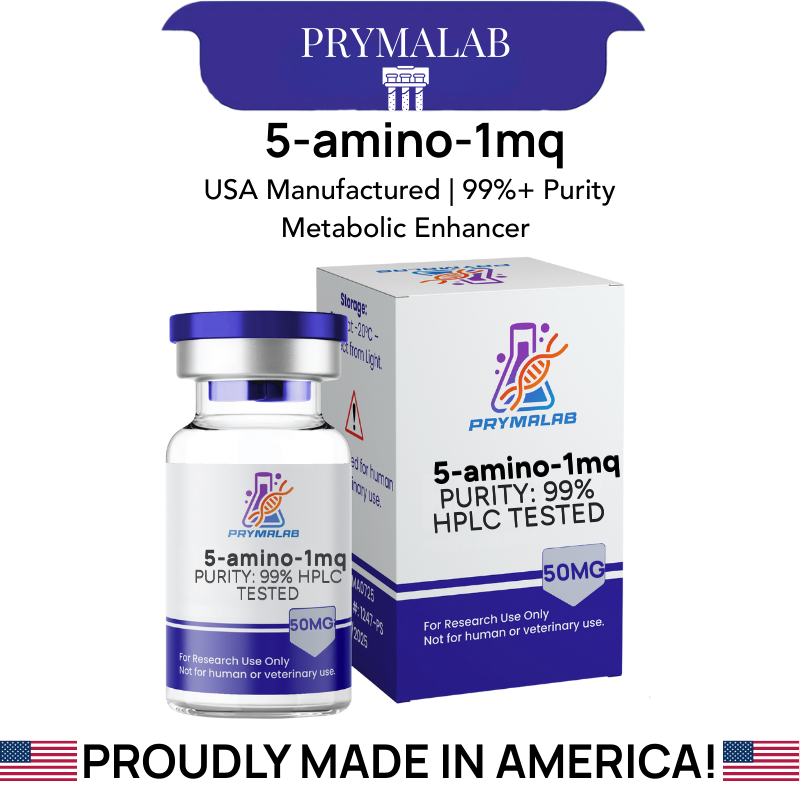
5-Amino-1MQ is a selective NNMT inhibitor that elevates cellular NAD+ and SAM to enhance mitochondrial function, fat oxidation, insulin sensitivity, and overall metabolic efficiency, with preclinical data indicating preferential visceral fat loss and a favorable safety profile. It is typically administered subcutaneously at 50–100 mg daily in timed cycles, with noticeable energy and body-composition changes emerging within 3–8 weeks and side effects generally mild and transient. The compound shows high enzymatic selectivity, preserves lean mass, and engages longevity-related pathways (e.g., SIRT1), but remains a non–FDA-approved research substance that is WADA-banned and should be used under medical guidance. Optimal outcomes depend on quality sourcing, proper reconstitution and injection technique, consistent monitoring, and integration with nutrition, exercise, sleep, and stress-management strategies.
5-Amino-1MQ (5-amino-1-methylquinolinium) represents a breakthrough in metabolic optimization and weight management. This small molecule peptide functions as a selective nicotinamide N-methyltransferase (NNMT) inhibitor, targeting cellular metabolism at its source. Unlike traditional weight loss compounds that rely on appetite suppression or stimulant effects, 5 amino 1mq works by modulating fundamental cellular energy pathways to enhance fat oxidation and metabolic efficiency.
The 5-amino-1MQ peptide has gained significant attention in metabolic research for its unique ability to increase intracellular NAD+ (nicotinamide adenine dinucleotide) levels by inhibiting the NNMT enzyme. This mechanism represents a novel approach to addressing stubborn fat accumulation, metabolic dysfunction, and age-related cellular decline. Research demonstrates that 5 amino 1mq benefits extend beyond simple weight loss to include comprehensive metabolic enhancement, improved insulin sensitivity, and support for healthy aging processes.
The NNMT enzyme plays a crucial role in cellular metabolism by regulating the conversion of nicotinamide to 1-methylnicotinamide (1-MNA). When NNMT becomes overactive, particularly in adipose tissue, it depletes cellular NAD+ reserves while promoting fat storage and metabolic inefficiency. This enzymatic overactivity is strongly associated with obesity, insulin resistance, and metabolic syndrome. By selectively inhibiting NNMT, 5-amino-1MQ peptide preserves NAD+ availability, allowing cells to maintain optimal energy production and metabolic function.
Clinical research published in Biochemical Pharmacology demonstrates that 5 amino 1mq treatment significantly reduces NNMT activity in adipocytes, leading to increased intracellular NAD+ concentrations. This elevation in NAD+ levels activates critical metabolic pathways including SIRT1 (sirtuin 1), a longevity-associated protein that regulates insulin sensitivity, mitochondrial function, and cellular stress resistance. The compound also preserves S-adenosyl methionine (SAM) levels, supporting healthy methylation processes essential for gene expression and cellular function.
The 5-amino-1MQ mechanism of action centers on its selective inhibition of the NNMT enzyme, creating a cascade of beneficial metabolic effects. As a membrane-permeable small molecule, 5 amino 1mq readily crosses cell membranes to reach its intracellular target. Once inside adipocytes and other metabolically active cells, the compound binds to the NNMT active site, preventing the enzyme from converting nicotinamide to 1-MNA. This inhibition preserves nicotinamide availability for the NAD+ salvage pathway, the primary route for NAD+ regeneration in mammalian cells.
The preservation of NAD+ through NNMT inhibition has profound implications for cellular metabolism. NAD+ serves as an essential coenzyme for hundreds of enzymatic reactions, including those involved in energy production, DNA repair, and cellular signaling. When 5-amino-1MQ increases cellular NAD+ levels, it enhances mitochondrial function, the powerhouses responsible for converting nutrients into usable cellular energy. This improved mitochondrial performance translates to enhanced fat oxidation, as cells preferentially utilize stored lipids for energy production rather than storing additional fat.
Research demonstrates that 5 amino 1mq peptide treatment increases NAD+ levels by approximately 1.2 to 1.6-fold in adipocytes, with corresponding improvements in metabolic markers. The compound simultaneously elevates SAM concentrations, supporting healthy epigenetic regulation and polyamine synthesis. These combined effects create an optimal cellular environment for fat metabolism, energy production, and metabolic health.
Groundbreaking research published in 2017 established 5-amino-1MQ as a promising therapeutic approach for obesity and metabolic dysfunction. In preclinical studies, mice fed a high-fat diet and treated with 5 amino 1mq for just 11 days experienced remarkable metabolic improvements. The treatment group showed significant reductions in body weight (approximately 5% loss) and white adipose tissue mass (35% reduction) compared to control animals, despite no changes in food intake. These results demonstrate that 5-amino-1MQ effects on weight loss occur through enhanced metabolic efficiency rather than appetite suppression.
Histological analysis revealed that 5 amino 1mq treatment reduced adipocyte size by 30-40%, indicating genuine fat loss rather than simple fluid shifts. The compound specifically targeted visceral adipose tissue, the metabolically harmful deep abdominal fat associated with insulin resistance and cardiovascular disease. Plasma lipid profiles improved significantly, with total cholesterol levels decreasing by approximately 30% in treated animals. These cholesterol reductions brought levels comparable to those seen in lean, healthy control mice, suggesting comprehensive metabolic normalization.
The safety profile observed in these studies was equally impressive. Animals treated with 5-amino-1MQ showed no signs of toxicity, behavioral changes, or adverse effects at therapeutically effective doses. The compound did not impact food intake, suggesting it works through metabolic enhancement rather than appetite suppression. No muscle loss was observed, indicating that weight reduction came specifically from fat tissue rather than lean body mass. These findings support the potential for 5 amino 1mq as a safe, effective metabolic intervention.
Understanding what does 5 amino 1mq do requires examining its effects across multiple physiological systems. At the cellular level, this peptide fundamentally alters how your body processes and stores energy. By inhibiting the NNMT enzyme, it prevents the excessive consumption of NAD+, a critical molecule that your cells need for energy production, DNA repair, and maintaining healthy metabolic function. This preservation of NAD+ creates a ripple effect throughout your metabolism, influencing everything from how efficiently you burn fat to how well your cells respond to insulin.
The compound’s effects on fat metabolism are particularly noteworthy. When 5 amino 1mq inhibits NNMT in adipocytes (fat cells), it shifts these cells from a storage mode to a burning mode. Instead of efficiently storing incoming calories as fat, treated adipocytes become more metabolically active, breaking down stored triglycerides and releasing them for energy use. This metabolic shift occurs without stimulating appetite suppression or increasing nervous system activity, making it fundamentally different from traditional weight loss compounds.
Beyond fat loss, 5-amino-1MQ influences insulin sensitivity and glucose metabolism. The increased NAD+ availability activates SIRT1, a protein that plays a crucial role in regulating how your body handles blood sugar. Improved insulin sensitivity means your cells can more effectively take up glucose from the bloodstream, reducing the metabolic stress that contributes to type 2 diabetes and metabolic syndrome. This effect makes 5 amino 1mq particularly valuable for individuals struggling with prediabetes or insulin resistance.
The peptide also supports mitochondrial health and cellular energy production. Mitochondria, often called the powerhouses of cells, require adequate NAD+ to function optimally. When 5-amino-1MQ preserves NAD+ levels, it enables mitochondria to produce energy more efficiently, potentially translating to improved physical performance, better recovery from exercise, and more sustained energy throughout the day. This mitochondrial support may also contribute to healthy aging, as mitochondrial dysfunction is a hallmark of cellular aging.
The 5 amino 1mq benefits extend far beyond simple weight reduction, encompassing comprehensive improvements in metabolic health, cellular function, and body composition. Understanding these multifaceted benefits helps explain why this peptide has generated significant interest in both research and clinical settings.
Enhanced Fat Loss and Body Composition: The primary benefit that draws most attention is 5-amino-1MQ’s ability to promote significant fat loss, particularly in stubborn areas resistant to traditional diet and exercise. Clinical research demonstrates reductions in adipocyte size of 30-40%, with preferential targeting of visceral adipose tissue. This selective fat loss improves body composition without sacrificing lean muscle mass, a critical advantage over many weight loss interventions that result in both fat and muscle loss. Users typically report noticeable improvements in waist circumference, reduced abdominal fat, and better overall body definition within 4-6 weeks of consistent use.
Improved Metabolic Efficiency: By increasing cellular NAD+ levels, 5 amino 1mq enhances overall metabolic efficiency at the cellular level. This improvement manifests as better nutrient partitioning, where incoming calories are more likely to be used for energy or muscle building rather than stored as fat. The enhanced metabolic efficiency also supports better energy balance, making it easier to maintain weight loss results long-term. Many users report that their metabolism feels “reset,” with improved ability to maintain healthy body weight even after discontinuing treatment.
Enhanced Insulin Sensitivity: One of the most significant 5-amino-1MQ benefits is its positive effect on insulin sensitivity and glucose metabolism. The activation of SIRT1 through increased NAD+ availability improves how cells respond to insulin, facilitating better glucose uptake and utilization. This benefit is particularly valuable for individuals with prediabetes, metabolic syndrome, or type 2 diabetes. Improved insulin sensitivity also reduces the risk of developing metabolic diseases and supports better overall metabolic health. Users often notice more stable blood sugar levels, reduced cravings for sugary foods, and better energy stability throughout the day.
Increased Energy and Performance: Many individuals using 5 amino 1mq report improvements in daily energy levels and physical performance. Unlike stimulant-based energy enhancers, these improvements stem from enhanced cellular energy production through better mitochondrial function. The increased NAD+ availability supports more efficient ATP (cellular energy) production, potentially translating to better endurance, improved workout performance, and faster recovery between training sessions. Users frequently describe feeling more energetic throughout the day without the jitters or crashes associated with stimulants.
Anti-Aging and Longevity Support: The relationship between NAD+ levels and aging makes 5-amino-1MQ particularly interesting from a longevity perspective. NAD+ declines naturally with age, contributing to reduced cellular function, decreased energy production, and impaired DNA repair. By preserving NAD+ through NNMT inhibition, 5 amino 1mq may help counteract some aspects of cellular aging. The activation of sirtuins, proteins strongly associated with longevity, provides additional anti-aging benefits. While human longevity data is still emerging, the mechanistic basis for anti-aging effects is well-established.
Cardiovascular Health Improvements: The reduction in visceral adipose tissue and improvements in lipid profiles observed with 5-amino-1MQ treatment suggest potential cardiovascular benefits. Visceral fat is strongly associated with increased cardiovascular disease risk, and its reduction typically correlates with improved cardiovascular health markers. The 30% reduction in total cholesterol observed in research studies indicates significant improvements in lipid metabolism. These cardiovascular benefits may reduce the risk of heart disease, stroke, and other cardiovascular complications associated with obesity and metabolic dysfunction.
Muscle Preservation During Fat Loss: Unlike many weight loss interventions that result in significant muscle loss alongside fat loss, 5 amino 1mq appears to preserve lean muscle mass. The enhanced NAD+ availability and improved mitochondrial function in muscle cells may actually support muscle maintenance and recovery. This selective fat loss without muscle wasting makes the peptide particularly attractive for individuals seeking to improve body composition rather than simply reduce body weight. Athletes and fitness enthusiasts appreciate this benefit, as it allows for fat loss while maintaining or even improving strength and performance.
Metabolic Flexibility Enhancement: 5-Amino-1MQ promotes metabolic flexibility, the ability to efficiently switch between burning carbohydrates and fats for fuel. This flexibility is a hallmark of metabolic health and is often impaired in individuals with obesity or insulin resistance. By enhancing fat oxidation capacity and improving insulin sensitivity, 5 amino 1mq helps restore this metabolic flexibility. Users often notice they can tolerate different dietary approaches better, experience fewer energy crashes, and maintain stable energy levels regardless of meal timing or composition.
One of the most important characteristics of 5-amino-1MQ is its exceptional selectivity for the NNMT enzyme. Comprehensive biochemical testing demonstrates that 5 amino 1mq does not inhibit structurally similar methyltransferases, including catechol-O-methyltransferase (COMT), DNA methyltransferase 1 (DNMT1), or protein arginine methyltransferase 3 (PRMT3). This selectivity is crucial because many methyltransferases play essential roles in neurotransmitter metabolism, gene expression, and protein function. The compound also shows no inhibitory activity against nicotinamide phosphoribosyltransferase (NAMPT) or sirtuin 1 (SIRT1), key enzymes in the NAD+ salvage pathway.
This remarkable selectivity stems from 5-amino-1MQ’s specific interaction with the nicotinamide-binding pocket of NNMT, rather than the SAM-binding site common to many methyltransferases. The compound’s quinolinium scaffold mimics nicotinamide’s structure, allowing it to compete for the NNMT active site while avoiding interactions with other enzymes. This targeted mechanism minimizes the risk of off-target effects and supports the compound’s favorable safety profile.
The recommended 5-amino-1MQ dosage for metabolic enhancement and weight loss typically ranges from 50-100mg daily, administered via subcutaneous injection. Clinical observations and research protocols suggest a graduated approach to dosing, beginning with lower doses to assess individual tolerance and response before progressing to higher doses if needed. The 5 amino 1mq dose should be individualized based on body weight, metabolic goals, and individual response to treatment.
For individuals new to 5-amino-1MQ peptide therapy, a conservative starting dose of 50mg daily is recommended. This initial period allows the body to adapt to NNMT inhibition while minimizing potential side effects. The 5 amino 1mq injection should be administered in the morning, preferably in a fasted state, to maximize metabolic benefits. Most users experience mild energy increases within the first week, with more noticeable metabolic effects emerging after 2-3 weeks of consistent use.
During this initial phase, it’s important to monitor for any adverse reactions and assess individual tolerance. The 50mg starting dose provides effective NNMT inhibition for most individuals while maintaining an excellent safety margin. Users should maintain consistent injection timing and technique throughout this assessment period to establish baseline response patterns.
After the initial adaptation period, most individuals progress to the standard 5-amino-1MQ dosage of 75mg daily. This dose represents the optimal balance between efficacy and tolerability for the majority of users, providing robust NNMT inhibition without excessive stimulation. The 75mg dose should be administered via subcutaneous injection each morning, approximately 30 minutes before the first meal of the day.
Clinical observations suggest this dosing protocol effectively enhances fat oxidation while maintaining comfortable energy levels throughout the day. The 5 amino 1mq injection at this dose typically produces noticeable improvements in body composition within 3-4 weeks, with continued progress throughout the 8-week treatment cycle. Users should maintain consistent administration timing and combine treatment with appropriate nutrition and exercise protocols for optimal results.
For individuals with higher body weight, metabolic resistance, or those seeking maximum metabolic enhancement, an advanced 5-amino-1MQ dosage protocol of 100mg daily may be appropriate. This higher dose can be administered as a single 100mg injection in the morning or split into two 50mg doses taken 12 hours apart (morning and afternoon). The split dosing approach maintains more consistent NNMT inhibition throughout the day, potentially enhancing metabolic benefits.
The advanced protocol should only be implemented after successful tolerance of lower doses and under appropriate medical supervision. The 100mg daily dose provides maximum NNMT inhibition while remaining within established safety parameters. Users following this protocol should carefully monitor for any side effects and adjust dosing if needed. Treatment duration at this dose typically ranges from 8-12 weeks, followed by an appropriate off-cycle period.
Individual 5-amino-1MQ dosage requirements may vary based on body weight and metabolic factors. General weight-based guidelines for 5 amino 1mq injection dosage suggest:
These guidelines serve as starting points, with final dosing determined by individual response, tolerance, and metabolic goals. Heavier individuals may require higher doses to achieve equivalent NNMT inhibition due to larger adipose tissue mass and potentially higher baseline NNMT activity.
Proper 5-amino-1MQ injection technique is essential for optimal absorption and minimal discomfort. The compound requires subcutaneous administration for maximum bioavailability, as oral administration results in poor absorption due to first-pass metabolism. Subcutaneous injection delivers the peptide into the fatty tissue layer beneath the skin, allowing for gradual absorption into the bloodstream.
Recommended Injection Sites:
Injection Supplies:
Injection Procedure:
5-Amino-1MQ typically arrives as lyophilized (freeze-dried) powder requiring reconstitution before use. Proper reconstitution technique ensures accurate dosing and maintains peptide stability:
Reconstitution Process:
Dosing Calculations for 5 Amino 1MQ Injection:
Proper storage of 5-amino-1MQ is essential for maintaining peptide stability and potency:
Unreconstituted Powder:
Reconstituted Solution:
Optimal timing of 5-amino-1MQ administration aligns with natural circadian rhythms and metabolic patterns. Morning administration is generally preferred as it supports daytime energy metabolism and fat oxidation. Taking the 5 amino 1mq injection 30-60 minutes before the first meal of the day, in a fasted state, may enhance metabolic benefits by promoting fat oxidation during the fasting period.
Optimal Administration Timing:
Cycling Protocols:
Proper cycling prevents potential tolerance development and allows natural NNMT function to reset between treatment periods:
Standard Cycle:
Extended Cycle:
Conservative Cycle:
During off-cycle periods, focus on maintaining healthy lifestyle habits established during treatment. The metabolic improvements achieved during 5-amino-1MQ cycles can be preserved through proper nutrition, regular exercise, and stress management. Many users find that metabolic benefits persist for several weeks after discontinuing treatment, suggesting lasting improvements in cellular function.
Current research and clinical observations indicate that 5-amino-1MQ demonstrates a favorable safety profile at recommended dosages. Preclinical studies show no significant toxicity at therapeutic doses, with treated animals displaying no adverse behavioral changes or organ dysfunction. However, as with any compound that influences metabolic pathways, understanding potential 5 amino 1mq side effects and appropriate precautions is essential for safe use.
Most individuals tolerate 5-amino-1MQ well, with side effects typically mild and self-limiting. The most commonly reported effects occur during the first 1-2 weeks of treatment as the body adapts to altered NNMT activity and increased NAD+ levels:
Digestive Changes:
Energy-Related Effects:
Injection Site Reactions:
Headaches:
Most 5-amino-1MQ side effects can be effectively managed through simple interventions:
For Digestive Issues:
For Energy-Related Effects:
For Injection Site Reactions:
For Headaches:
Certain individuals should avoid 5-amino-1MQ or use it only under close medical supervision:
Absolute Contraindications:
Relative Contraindications (Require Medical Supervision):
5-Amino-1MQ may interact with certain medications and supplements:
Potential Interactions:
Individuals taking prescription medications should consult healthcare providers before starting 5-amino-1MQ to assess potential interactions and adjust medications if necessary.
Regular monitoring helps ensure safe and effective use of 5-amino-1MQ:
Recommended Monitoring:
When to Seek Medical Attention:
While short-term safety data for 5-amino-1MQ appears favorable, long-term safety in humans requires further study. Current evidence suggests:
Positive Safety Indicators:
Areas Requiring Further Study:
5-Amino-1MQ is not FDA-approved for any medical use and exists as a research compound. This regulatory status has important implications:
Quality and Sourcing:
Legal Considerations:
Athletic Considerations:
Understanding the timeline for 5 amino 1mq results helps set realistic expectations and maintain motivation throughout treatment. The compound works at the cellular level, requiring time for metabolic changes to translate into visible physical improvements.
Week 1-2 (Initial Adaptation):
Week 3-4 (Early Metabolic Changes):
Week 5-8 (Significant Progress):
Week 9-12 (Advanced Protocol):
5-Amino-1MQ results vary significantly between individuals based on multiple factors:
Baseline Metabolic Health:
Lifestyle Factors:
Genetic Factors:
Protocol Adherence:
Setting realistic expectations for 5 amino 1mq results prevents disappointment and supports long-term success:
Typical Outcomes (8-12 Week Cycle):
Exceptional Outcomes (With Optimal Protocol):
Important Considerations:
Optimize 5-amino-1MQ results through comprehensive lifestyle strategies:
Nutrition Optimization:
Exercise Protocol:
Sleep and Recovery:
Supplementation Support:
Sustaining 5 amino 1mq results after completing a cycle requires strategic planning:
Post-Cycle Strategies:
Long-Term Success Factors:
5-Amino-1MQ (5-amino-1-methylquinolinium) is a small molecule peptide that functions as a selective NNMT (nicotinamide N-methyltransferase) inhibitor. It works by blocking the NNMT enzyme in fat cells and other tissues, which prevents the conversion of nicotinamide to 1-methylnicotinamide. This inhibition preserves cellular NAD+ levels, enhancing mitochondrial function, improving fat oxidation, and supporting overall metabolic health. The compound represents a novel approach to weight management that works through metabolic optimization rather than appetite suppression or stimulation.
The primary 5 amino 1mq benefits include significant fat loss (particularly visceral fat), improved body composition without muscle loss, enhanced insulin sensitivity, increased cellular energy production, and support for healthy aging processes. Users typically experience reductions in waist circumference, improved metabolic markers, more stable energy levels throughout the day, and better exercise performance and recovery. The compound’s effects on NAD+ levels also provide potential anti-aging benefits through improved cellular function and DNA repair mechanisms.
The recommended 5-amino-1MQ dosage ranges from 50-100mg daily via subcutaneous injection. Beginners should start with 50mg daily for the first 1-2 weeks to assess tolerance, then progress to the standard dose of 75mg daily for weeks 3-8. Advanced users or those with higher body weight may use up to 100mg daily, either as a single dose or split into two 50mg doses taken 12 hours apart. The 5 amino 1mq dose should be individualized based on body weight, metabolic goals, and individual response to treatment.
5-Amino-1MQ injection should be administered subcutaneously (under the skin) using a 29-31 gauge insulin syringe. Common injection sites include the abdomen (2 inches from navel), upper thighs, or upper arms. The injection should be given in the morning, preferably 30-60 minutes before the first meal. Proper technique involves cleaning the injection site with alcohol, pinching the skin to create a fold, inserting the needle at a 45-90 degree angle, injecting slowly, and rotating injection sites to prevent irritation. The peptide comes as lyophilized powder requiring reconstitution with bacteriostatic water before use.
Common 5 amino 1mq side effects are typically mild and transient, occurring primarily during the first 1-2 weeks of treatment. These may include mild digestive changes (nausea, altered bowel movements), increased energy levels that may feel stimulating initially, mild headaches (often related to dehydration), and minor injection site reactions (redness, temporary discomfort). Most side effects resolve as the body adapts to treatment. Serious side effects are rare at recommended doses, but users should monitor for any unusual symptoms and consult healthcare providers if concerns arise.
Most users begin noticing 5 amino 1mq results within 3-4 weeks of consistent use. Initial effects include increased energy and improved mental clarity within the first week. Visible body composition changes typically emerge around week 3-4, with significant fat loss and waist circumference reduction becoming apparent by weeks 5-8. Optimal results require 8-12 weeks of consistent use combined with appropriate nutrition and exercise. Individual results vary based on baseline metabolic health, lifestyle factors, and protocol adherence.
5-Amino-1MQ for sale is available through research chemical suppliers, but it’s important to understand its regulatory status. The compound is not FDA-approved for human use and is sold for research purposes only. Quality varies significantly between suppliers, making it essential to source from reputable vendors who provide third-party testing and certificates of analysis. Medical supervision is strongly recommended when using 5 amino 1mq, as it influences fundamental metabolic pathways. Competitive athletes should note that the compound is banned by WADA and may result in positive drug tests.
What does 5 amino 1mq do for weight loss involves multiple mechanisms working synergistically. The compound inhibits the NNMT enzyme in fat cells, which increases cellular NAD+ levels and shifts adipocyte metabolism from fat storage to fat burning. This metabolic shift promotes the breakdown of stored triglycerides and their release for energy use. Unlike traditional weight loss compounds, 5-amino-1MQ works without suppressing appetite or stimulating the nervous system. Research demonstrates reductions in adipocyte size of 30-40%, with preferential targeting of visceral fat, the most metabolically harmful fat type.
Proper cycling of 5-amino-1MQ prevents tolerance development and allows natural NNMT function to reset. The standard cycle consists of 8 weeks on treatment followed by 4 weeks off. Extended cycles may run 12 weeks on with 6 weeks off for individuals with significant metabolic goals. Conservative cycles of 6 weeks on and 3 weeks off suit first-time users or those with sensitivity concerns. During off-cycle periods, focus on maintaining healthy lifestyle habits established during treatment. Many users find metabolic benefits persist for several weeks after discontinuing treatment.
Current safety data for 5-amino-1MQ appears favorable for short-term use (8-12 week cycles), with no significant toxicity observed in preclinical studies at therapeutic doses. However, long-term safety in humans requires further research. The compound’s selective mechanism and lack of off-target effects support its safety profile. Proper cycling with off periods allows natural enzyme function to reset and may support long-term safety. Users should work with qualified healthcare providers for monitoring and should report any unusual symptoms. The compound should not be used continuously without breaks.
5-Amino-1MQ can generally be combined with standard supplements including multivitamins, omega-3 fatty acids, protein powders, and minerals. However, caution is advised when combining with other metabolic supplements or stimulants, as additive effects may occur. The compound may work synergistically with NAD+ precursors like NMN or NR, potentially enhancing metabolic benefits. Individuals taking prescription medications, particularly those affecting blood sugar or blood pressure, should consult healthcare providers before combining treatments. Avoid combining with other stimulants during the initial adaptation period.
No, 5-amino-1MQ does not cause muscle loss when used properly. Research demonstrates that weight reduction from the compound comes specifically from fat tissue rather than lean body mass. The enhanced NAD+ availability and improved mitochondrial function in muscle cells may actually support muscle preservation and recovery, particularly when combined with resistance training and adequate protein intake. This selective fat loss without muscle wasting makes 5 amino 1mq particularly attractive for individuals seeking to improve body composition. Maintaining protein intake of 0.8-1.0g per pound body weight and continuing resistance training helps preserve muscle mass during treatment.
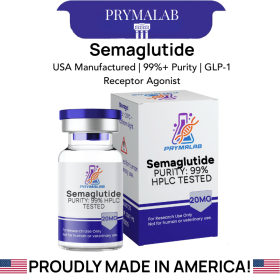
5-Amino-1MQ and GLP-1 agonists (like semaglutide) work through fundamentally different mechanisms. GLP-1 agonists primarily reduce appetite and slow digestion, leading to reduced calorie intake. In contrast, 5 amino 1mq enhances cellular metabolism and fat oxidation without directly affecting appetite. GLP-1 agonists are FDA-approved medications with extensive clinical data, while 5-amino-1MQ remains a research compound. The choice between them depends on individual goals, with GLP-1s better for appetite control and 5-amino-1MQ better for metabolic enhancement. Some individuals may benefit from combining both approaches under medical supervision.
When you stop taking 5-amino-1MQ, NNMT activity gradually returns to baseline levels over several weeks. Many users find that metabolic improvements persist for 2-4 weeks after discontinuing treatment, suggesting lasting changes in cellular function. However, maintaining results long-term requires continuation of healthy lifestyle habits established during treatment. Weight regain is possible if caloric intake increases significantly or exercise decreases. Proper cycling with planned off periods helps maintain sensitivity to the compound and supports long-term success. Most users plan multiple cycles as part of a comprehensive metabolic optimization strategy.
Yes, 5-amino-1MQ is suitable for women seeking metabolic enhancement and fat loss. The compound works through the same NNMT inhibition mechanism in both sexes, though dosing may need adjustment based on body weight. Women typically start with 50mg daily and may progress to 75mg if well-tolerated. The compound does not directly affect sex hormones, making it different from some other metabolic interventions. However, women who are pregnant, breastfeeding, or planning pregnancy should avoid 5-amino-1MQ due to insufficient safety data. Women with hormonal imbalances should consult healthcare providers before starting treatment.
Yes, 5-amino-1MQ shows promise for improving insulin resistance through multiple mechanisms. The increased NAD+ levels activate SIRT1, a protein that plays a crucial role in regulating insulin sensitivity and glucose metabolism. Research demonstrates improved glucose handling and insulin response in treated animals. The reduction in visceral fat, which is strongly associated with insulin resistance, provides additional metabolic benefits. Many users report more stable blood sugar levels and reduced cravings for sugary foods. However, individuals with diabetes should work closely with healthcare providers, as the compound may affect blood sugar levels and require medication adjustments.
The best time to take 5-amino-1MQ is in the morning, preferably 30-60 minutes before the first meal of the day. Morning administration aligns with natural circadian rhythms and supports daytime energy metabolism and fat oxidation. Taking the injection in a fasted state may enhance metabolic benefits by promoting fat oxidation during the fasting period. Consistent daily timing at the same time each morning helps maintain stable blood levels and optimize results. Avoid evening administration, as the increased energy levels may interfere with sleep in sensitive individuals.
The cost of 5-amino-1MQ varies significantly based on supplier, quality, and quantity purchased. Monthly costs typically range from $50-150 for research-grade peptide, depending on dosage and source. Higher quality products with third-party testing and certificates of analysis generally cost more but provide better assurance of purity and potency. The compound is not covered by insurance as it’s not FDA-approved for medical use. When considering cost, factor in supplies (syringes, bacteriostatic water, alcohol swabs) and potential medical supervision fees. While more expensive than some supplements, many users find the metabolic benefits justify the investment.
5-Amino-1MQ does not require a prescription as it’s not FDA-approved for medical use and is sold as a research compound. However, this doesn’t mean it should be used without medical guidance. Working with a qualified healthcare provider who understands peptide therapy is strongly recommended for proper dosing, monitoring, and safety. Some clinics and wellness centers offer 5-amino-1MQ as part of comprehensive metabolic optimization programs, providing medical supervision and monitoring. The lack of prescription requirement places responsibility on individuals to source quality products and use them safely.
Competitive athletes subject to drug testing should NOT use 5-amino-1MQ, as it is banned by the World Anti-Doping Agency (WADA) under the S0 category of “Non-Approved Substances.” Use of the compound may result in positive drug tests, sanctions, and disqualification from competition. Recreational athletes not subject to drug testing may use 5 amino 1mq for metabolic enhancement and body composition improvements. The compound’s ability to promote fat loss while preserving muscle mass makes it attractive for athletes, but competitive athletes must prioritize compliance with anti-doping regulations. Always verify supplement and therapy compliance with relevant sporting organizations.
Chemical Name: 5-Amino-1-methylquinolinium Common Names: 5-Amino-1MQ, 5-amino-1-methylquinoline, 5 amino 1mq CAS Number: 42464-96-0 Molecular Formula: C10H11N2+ Molecular Weight: 159.21 g/mol Appearance: White to off-white lyophilized powder Purity: ≥98% (HPLC verified) Storage: Store at room temperature; refrigerate after reconstitution Shelf Life: 2-3 years (powder); 30 days (reconstituted)
Primary Mechanism: NNMT (Nicotinamide N-methyltransferase) Inhibitor Target Enzyme: Nicotinamide N-methyltransferase Cellular Effect: Increases intracellular NAD+ and SAM levels Metabolic Pathway: NAD+ salvage pathway modulation Selectivity: Highly selective for NNMT (no cross-reactivity with related enzymes)
Route of Administration: Subcutaneous injection Bioavailability: High (subcutaneous); Poor (oral) Absorption: Rapid from subcutaneous tissue Distribution: Membrane-permeable; crosses cell membranes readily Metabolism: Hepatic metabolism Elimination: Renal excretion Half-Life: Approximately 4-6 hours (estimated)
Testing Standards:
Certificate of Analysis (COA):
Recommended Diluent: Bacteriostatic Water (0.9% benzyl alcohol) Standard Concentration: 100mg/ml (2ml Bacteriostatic Water per 200mg vial) Alternative Concentrations: 50mg/ml or 200mg/ml based on preference Reconstitution Time: 2-3 minutes with gentle swirling Solution Appearance: Clear, colorless solution pH Range: 5.0-7.0 (physiologically compatible)
Injection Type: Subcutaneous Needle Gauge: 29-31 gauge Needle Length: 12.7mm (1/2 inch) Injection Volume: 0.5-1.0ml per dose Injection Sites: Abdomen, thighs, upper arms Injection Frequency: Once daily (standard protocol)
Unreconstituted Storage:
Reconstituted Storage:
Personal Protective Equipment:
Disposal:
Primary Research Areas:
Preclinical Models:
NAD+ Precursors:
GLP-1 Agonists:
Essential Supplements:
Performance Supplements:
Recovery Supplements:
Nutrition Protocols:
Exercise Programs:
Recovery Optimization:
Recommended Baseline Testing:
Progress Monitoring:
5-Amino-1MQ is not approved by the FDA for any medical use and is sold as a research compound only. It is not intended to diagnose, treat, cure, or prevent any disease. The information provided is for educational purposes and should not be considered medical advice.
This product is intended for research purposes only. Use of 5-amino-1MQ should be undertaken only with appropriate medical supervision. Individual results may vary, and the compound may not be suitable for all individuals. Consult qualified healthcare providers before starting any new supplement or therapeutic regimen.
5-Amino-1MQ is banned by the World Anti-Doping Agency (WADA) and is prohibited for use by competitive athletes subject to drug testing. Use may result in positive drug tests, sanctions, and disqualification from competition.
All 5-Amino-1MQ products should be sourced from reputable suppliers providing:
Use of 5-amino-1MQ is at the user’s own risk. The manufacturer, distributor, and retailer assume no liability for improper use, adverse reactions, or outcomes resulting from use of this product. Users accept full responsibility for their decision to use this research compound.
5-Amino-1MQ 50MG represents an innovative approach to metabolic optimization and weight management through selective NNMT inhibition. By preserving cellular NAD+ levels and enhancing mitochondrial function, this peptide offers comprehensive metabolic benefits extending beyond simple weight loss. The compound’s favorable safety profile, selective mechanism, and research-backed efficacy make it an attractive option for individuals seeking to optimize body composition, enhance metabolic health, and support healthy aging processes.
Success with 5-amino-1MQ requires a comprehensive approach combining proper dosing protocols, consistent administration, appropriate cycling strategies, and integration with healthy lifestyle practices. Medical supervision, quality product sourcing, and realistic expectations are essential for safe and effective use. As research continues to evolve, 5-amino-1MQ stands as a promising tool in the growing field of metabolic optimization and longevity medicine.

Name: Michael Phelps
Title: Marketing Director & Biochemistry Specialist at Prymalab
Michael is an Air Force veteran and the Marketing Director at Prymalab. With a specialized background in biochemistry and over 10 years in the biotech industry, he applies military-grade precision to research standards and quality control. Michael is dedicated to bridging the gap between complex scientific studies and practical application, providing accurate, science-backed information on peptide protocols like 5-Amino-1MQ.
| Weight | N/A |
|---|---|
| Dimensions | N/A |
Only logged in customers who have purchased this product may leave a review.

support@prymalab.net info@prymalab.net

30 Day return window. Satisfaction guaranteed or your money back.

All orders over %150 in value will receive free shipping.
1 review for 5-amino-1MQ 50MG