PrymaLab — Educational Content
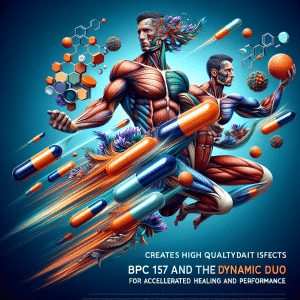
BPC 157 and TB500: The Dynamic Duo for Accelerated Healing and Performance
BPC 157 and TB500 are two of the most talked-about peptides in the world of recovery, cellular repair, and performance optimization. Although research is ongoing, these peptides have gained a reputation for their potential effects when studied individually — and even more so when discussed together. This article is strictly for educational purposes and is not medical advice.
What Are BPC 157 and TB500?
BPC 157 is a synthetic peptide modeled after a protective compound found in the stomach. It is widely researched for its potential role in supporting tissue repair, gastrointestinal protection, and recovery.
TB500 is a synthetic version of a naturally occurring peptide fragment known as Thymosin Beta-4. It is studied for its involvement in cellular migration, wound healing, and structural tissue repair.
Both peptides play unique roles in cell signaling pathways that influence recovery, making them highly discussed in the performance and healing community.
Why Are BPC 157 and TB500 Often Discussed Together?
Certain peptides complement each other’s mechanisms, and BPC 157 + TB500 is one of the most commonly referenced combinations in recovery-focused literature and anecdotal reports. The pairing is often discussed due to:
- BPC 157: Often associated with tendon, ligament, and gastric support
- TB500: Often associated with cellular migration, muscle recovery, and structural repair
- Combined approach: Both together are thought to offer broader systemic support in studies
How They Work (Mechanistic Overview)
Based on current research, here’s a high-level look at the mechanisms being studied:
BPC 157
- Support for angiogenesis (formation of new blood vessels)
- Potential influence on nitric oxide pathways
- Observed effects on tissue repair in animal studies
- Possible protective actions on gastrointestinal tissues
TB500
- Linked to actin regulation (important for cell movement)
- Supports cell migration and structural repair
- Explored for wound healing properties
- Studied for its potential to enhance flexibility and recovery
Note: Human studies are more limited than animal research. Effects vary and require medical evaluation.
Potential Benefits Discussed in Research
While individual results vary and research is ongoing, scientific literature and clinical interest often highlight several potential benefits:
- Support for soft-tissue repair (tendons, ligaments, fascia)
- Improved mobility during recovery phases
- Assistance in wound healing processes
- Support for muscle recovery after strenuous activity
- Potential anti-inflammatory effects
Who Might Explore This Duo? (Educational Only)
Certain clinicians and researchers explore these peptides in contexts involving:
- Soft-tissue injuries
- Post-training recovery
- Structural repair discussions
- Chronic overuse or strain patterns
Important: This is general academic discussion. Only licensed clinicians can determine whether these peptides are appropriate for any individual.
Safety, Risks, and Medical Considerations
BPC 157 and TB500 are biologically active compounds. Their use without medical oversight can be unsafe. Reported side effects vary widely and may depend on:
- Existing medical conditions
- Concurrent medications
- Source and quality of the peptide
- Individual sensitivity
Only a licensed medical provider can evaluate safety, appropriateness, and risk factors.
Never self-administer or purchase peptides from unregulated sources. Minors should not use peptides under any circumstances.
Frequently Asked Questions
- Are BPC 157 and TB500 FDA-approved?
- Many peptides are still being researched and are not approved for general therapeutic use. Regulations vary by region.
- Is it safe to combine them?
- Only a qualified medical professional can determine appropriateness, safety, and supervision requirements.
- Why do athletes talk about these peptides?
- Because of their potential roles in recovery, these peptides often appear in performance and training discussions — but that does not mean they are approved or safe for unsupervised use.
- Is this article medical advice?
- No. This content is educational only.
Conclusion
BPC 157 and TB500 continue to attract scientific and clinical interest for their potential roles in healing and recovery. Together, they form one of the most discussed peptide combinations in performance and regenerative research. As with any biologically active compound, proper medical supervision is essential.
Educational content only — always speak with a licensed healthcare provider for guidance.


-10MG-New-300x300.png)