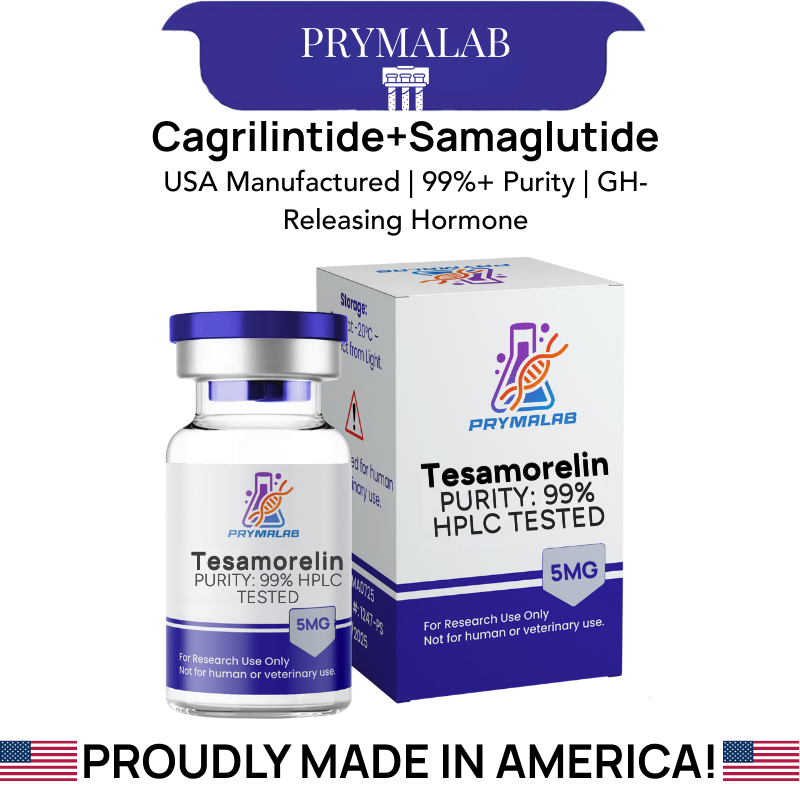
$39.99 / month – $329.99
Buy Cagrilintide + Semaglutide 2.5MG – revolutionary weight loss peptide combination. Synergistic GLP-1 and amylin analog effects for superior appetite control and fat loss. 99% purity, USA-made.
The cagrilintide and semaglutide combination represents a revolutionary approach to weight loss research, bringing together two powerful peptides that work through complementary mechanisms to produce superior results. This combination, known in clinical development as CagriSema, contains 2.5mg of pharmaceutical-grade cagrilintide and 2.5mg of semaglutide in a convenient pre-measured formulation. Together, these peptides create synergistic effects that clinical trials show can produce up to 25% total body weight reduction, significantly exceeding what either peptide achieves independently and surpassing all other currently available weight loss medications.
Semaglutide is a long-acting GLP-1 (glucagon-like peptide-1) receptor agonist that has revolutionized obesity treatment. As the active ingredient in medications like Ozempic (for diabetes) and Wegovy (for weight loss), semaglutide works by mimicking the natural GLP-1 hormone produced in the intestines. This peptide activates GLP-1 receptors in multiple tissues including the brain (reducing appetite and food cravings), pancreas (enhancing insulin secretion and suppressing glucagon), and stomach (slowing gastric emptying to prolong satiety). The peptide’s structure includes modifications that extend its half-life to approximately one week, allowing convenient once-weekly dosing. Clinical trials with semaglutide 2.4mg have demonstrated average weight loss of 15-17% of total body weight, making it one of the most effective weight loss medications available.
Cagrilintide is a long-acting amylin analog that mimics the effects of human amylin, a hormone naturally co-secreted with insulin from pancreatic beta cells. Amylin plays crucial roles in regulating food intake, gastric emptying, and glucose metabolism. Cagrilintide activates amylin receptors, particularly in the area postrema of the brainstem (a key satiety center) and the stomach. This activation enhances feelings of fullness, reduces food intake, slows gastric emptying through mechanisms complementary to GLP-1, and helps regulate postprandial glucose levels. The peptide’s long-acting formulation allows once-weekly administration, matching semaglutide’s dosing schedule for convenient combination therapy.
When combined in this cagrilintide semaglutide blend, these peptides create synergistic effects that address weight management from multiple angles simultaneously. Semaglutide provides powerful appetite suppression through GLP-1 receptor activation in the hypothalamus, while cagrilintide enhances satiety through amylin receptor activation in the brainstem. Both peptides slow gastric emptying but through different receptor systems, creating additive effects on meal-related satiety. Both improve glucose control through complementary mechanisms – semaglutide through enhanced insulin secretion and suppressed glucagon, cagrilintide through reduced postprandial glucagon and enhanced leptin sensitivity. This multi-receptor, multi-mechanism approach explains why the semaglutide and cagrilintide combination produces superior results compared to either peptide alone.
The cagrilintide semaglutide combination has been extensively studied in the CagriSema clinical trial program, with Phase 2 and Phase 3 studies demonstrating remarkable efficacy. The pivotal Phase 3 REDEFINE 1 trial showed that participants receiving the combination lost an average of 25% of their body weight over 68 weeks, compared to 15.8% with semaglutide 2.4mg alone and just 2.4% with placebo. This represents approximately 60 pounds of weight loss for a 240-pound individual – a truly transformative result. Importantly, 70-80% of participants achieved at least 10% weight loss (the threshold for clinically meaningful benefits), and 50-60% achieved at least 20% weight loss (approaching surgical weight loss results without surgery).
The mechanisms underlying this superior efficacy involve both additive and synergistic effects. The peptides work through different receptor systems (GLP-1 vs amylin receptors) that don’t compete with each other, allowing full activation of both pathways simultaneously. The complementary effects on gastric emptying create more profound and prolonged satiety than either peptide alone. The dual approach to appetite suppression – working through both hypothalamic GLP-1 receptors and brainstem amylin receptors – provides more comprehensive control over food intake. The combined metabolic effects improve insulin sensitivity, glucose control, and potentially energy expenditure more effectively than single-peptide approaches.
For researchers studying obesity, metabolic health, and weight management, the cagrilintide and semaglutide blend offers unique insights into how multiple hormone systems interact to regulate body weight. The combination allows investigation of synergistic effects between GLP-1 and amylin pathways, optimal dosing strategies for dual-peptide therapy, mechanisms underlying superior weight loss efficacy, and the relationship between different satiety pathways. Understanding how these peptides work together advances knowledge that could inform development of next-generation obesity treatments and help identify the most effective approaches to sustainable weight management.
Clinical research with cagrilintide semaglutide has also examined effects beyond weight loss. Studies show improvements in cardiovascular risk markers including blood pressure, lipid profiles, and inflammatory markers. Glycemic control improves significantly in diabetic subjects, with many achieving normal blood glucose levels. Quality of life measures improve as weight decreases, with better physical functioning, reduced joint pain, improved sleep quality, and enhanced psychological well-being. These comprehensive benefits make the combination valuable for research into obesity-related comorbidities and overall metabolic health optimization.
The cagrilintide semaglutide peptide combination represents the cutting edge of obesity pharmacotherapy research. While semaglutide alone has been revolutionary, adding cagrilintide pushes weight loss results into territory previously achievable only through bariatric surgery. The combination’s development by Novo Nordisk (the company behind Ozempic and Wegovy) reflects decades of research into gut hormone biology and represents a sophisticated understanding of how multiple hormone systems can be leveraged simultaneously for maximum therapeutic benefit.
When researchers buy this cagrilintide and semaglutide combination from PrymaLab, they receive pharmaceutical-grade peptides manufactured to the highest quality standards. Each component is independently tested for purity (99%+) and potency, then carefully combined in precise ratios to ensure consistent, reproducible research results. The blend arrives as lyophilized powder for maximum stability during shipping and storage, ready for reconstitution with bacteriostatic water when research protocols begin.
Semaglutide, one half of this powerful cagrilintide semaglutide combination, deserves detailed examination to understand its contribution to the blend’s weight loss properties. This GLP-1 receptor agonist has revolutionized obesity treatment and represents one of the most significant advances in weight management pharmacotherapy in decades.
GLP-1 (glucagon-like peptide-1) is a naturally occurring incretin hormone produced by L-cells in the small intestine in response to food intake. This hormone plays multiple crucial roles in metabolism and appetite regulation. GLP-1 stimulates insulin secretion from pancreatic beta cells in a glucose-dependent manner (meaning it only works when blood glucose is elevated, reducing hypoglycemia risk), suppresses glucagon secretion from pancreatic alpha cells (reducing glucose production by the liver), slows gastric emptying (prolonging satiety and reducing postprandial glucose spikes), and activates GLP-1 receptors in the brain (particularly the hypothalamus) to reduce appetite and food intake.
Native GLP-1 has a very short half-life (approximately 2 minutes) due to rapid degradation by the enzyme DPP-4 (dipeptidyl peptidase-4). This short duration makes native GLP-1 impractical for therapeutic use. Semaglutide overcomes this limitation through sophisticated molecular modifications. The peptide includes an amino acid substitution that reduces DPP-4 degradation, and a fatty acid side chain that allows binding to albumin in the bloodstream. This albumin binding protects the peptide from degradation and provides a reservoir that slowly releases active peptide, extending the half-life to approximately one week and enabling once-weekly dosing.
The structure of semaglutide consists of 31 amino acids with 94% homology to native human GLP-1. The key modifications include an amino acid substitution at position 8 (alanine to aminoisobutyric acid) that provides DPP-4 resistance, and a C-18 fatty diacid chain attached via a spacer to lysine at position 26 that enables albumin binding. These modifications maintain full GLP-1 receptor agonist activity while dramatically extending duration of action, creating an ideal therapeutic profile for chronic weight management.
Semaglutide’s weight loss mechanisms are multifaceted and well-documented in extensive research. The peptide’s primary effect on weight occurs through appetite suppression mediated by GLP-1 receptor activation in the hypothalamus and other brain regions involved in appetite control. Neuroimaging studies show semaglutide reduces activation of brain reward centers in response to food cues, decreases food cravings, and enhances satiety signals. These central nervous system effects translate to reduced caloric intake – clinical trials show participants on semaglutide consume approximately 500-800 fewer calories per day without conscious effort or hunger.
The peptide’s effects on gastric emptying contribute significantly to its weight loss efficacy. By slowing the rate at which food leaves the stomach, semaglutide prolongs the feeling of fullness after meals and reduces the desire to eat again soon. This effect is particularly important for controlling between-meal snacking and reducing overall daily caloric intake. The slowed gastric emptying also helps moderate postprandial glucose excursions, providing additional metabolic benefits.
Semaglutide’s metabolic effects extend beyond appetite and gastric emptying. The peptide improves insulin sensitivity, allowing cells to respond more effectively to insulin and take up glucose more efficiently. This improved insulin sensitivity helps prevent the metabolic slowdown that often accompanies caloric restriction and weight loss. The peptide also suppresses glucagon secretion, reducing hepatic glucose production and helping maintain stable blood glucose levels. These metabolic improvements support sustainable weight loss and help prevent weight regain.
Research suggests semaglutide may also increase energy expenditure, though this effect is modest compared to its impact on caloric intake. Some studies show small increases in resting metabolic rate and thermogenesis with semaglutide treatment. The peptide may also improve fat oxidation, helping the body preferentially burn fat stores during weight loss. These metabolic effects, while secondary to appetite suppression, contribute to the overall weight loss efficacy.
The cardiovascular benefits of semaglutide add another dimension to its therapeutic value. The SELECT trial demonstrated that semaglutide reduces major adverse cardiovascular events (heart attack, stroke, cardiovascular death) by 20% in people with obesity and established cardiovascular disease. This cardiovascular protection likely results from multiple mechanisms including weight loss itself, improved glycemic control, reduced inflammation, improved lipid profiles, and potential direct cardioprotective effects. These findings make semaglutide valuable not just for weight loss but for comprehensive cardiovascular risk reduction.
Clinical trials with semaglutide 2.4mg (the dose used for weight management) have consistently demonstrated impressive efficacy. The STEP (Semaglutide Treatment Effect in People with obesity) trial program showed average weight loss of 15-17% of total body weight over 68 weeks, with approximately 70% of participants achieving at least 10% weight loss and 50% achieving at least 15% weight loss. These results significantly exceed those of previous weight loss medications and approach the efficacy of some bariatric surgical procedures.
The safety profile of semaglutide is well-established from extensive clinical trials involving tens of thousands of participants. The most common side effects are gastrointestinal (nausea, vomiting, diarrhea, constipation) and are typically mild to moderate in severity. These GI effects are most common during dose escalation and tend to diminish over time with continued use. Proper titration – starting at low doses and gradually increasing over several months – significantly reduces the incidence and severity of GI side effects while maintaining efficacy.
Semaglutide’s role in the cagrilintide and semaglutide combination provides the foundation of GLP-1-mediated appetite suppression, metabolic improvement, and weight loss. The peptide’s well-characterized efficacy and safety profile, combined with its convenient once-weekly dosing, make it an ideal partner for combination with cagrilintide. The extensive clinical experience with semaglutide (millions of patients worldwide have used it) provides confidence in its safety and effectiveness as part of this dual-peptide approach.
Cagrilintide, the other component of this cagrilintide semaglutide combination, brings complementary weight loss mechanisms that synergize perfectly with semaglutide’s effects. This long-acting amylin analog represents a sophisticated approach to leveraging the amylin hormone system for weight management.
Amylin, also known as islet amyloid polypeptide (IAPP), is a 37-amino acid peptide hormone co-secreted with insulin from pancreatic beta cells in response to meals. This hormone plays important roles in regulating glucose metabolism and food intake. Amylin slows gastric emptying, reducing the rate at which nutrients enter the bloodstream and helping moderate postprandial glucose excursions. The hormone suppresses postprandial glucagon secretion, reducing hepatic glucose production when it’s not needed. Amylin activates receptors in the area postrema of the brainstem, a key satiety center, to enhance feelings of fullness and reduce food intake. The hormone may also enhance leptin sensitivity, improving the body’s response to this important satiety signal.
Native human amylin has limitations for therapeutic use. The peptide has a short half-life (requiring multiple daily doses), tends to aggregate and form fibrils (potentially causing problems with formulation and delivery), and shows relatively modest effects at physiological concentrations. Cagrilintide overcomes these limitations through sophisticated molecular engineering. The peptide is a long-acting amylin analog with structural modifications that prevent aggregation, extend half-life to approximately one week (enabling once-weekly dosing), and enhance potency at amylin receptors.
The structure of cagrilintide includes key modifications to the native amylin sequence that provide its improved properties. While the exact structure is proprietary to Novo Nordisk, the modifications are designed to maintain full amylin receptor agonist activity while preventing the aggregation that limits native amylin’s therapeutic utility. The extended half-life results from modifications that increase the peptide’s stability and potentially enable albumin binding similar to semaglutide’s mechanism.
Cagrilintide’s weight loss mechanisms complement those of semaglutide through distinct pathways. The peptide’s primary effect occurs through activation of amylin receptors in the area postrema, a brainstem region that lacks a blood-brain barrier and serves as a key satiety center. This activation enhances satiety signals, reduces food intake, and may increase sensitivity to other satiety hormones like leptin. Importantly, the area postrema represents a different satiety pathway than the hypothalamic regions primarily affected by GLP-1 receptor activation, explaining why cagrilintide and semaglutide can work synergistically.
The peptide’s effects on gastric emptying provide additional weight loss benefits. Like semaglutide, cagrilintide slows the rate at which food leaves the stomach, but it does so through amylin receptors rather than GLP-1 receptors. This means the two peptides can produce additive effects on gastric emptying, creating more profound and prolonged satiety than either peptide alone. The slowed gastric emptying also helps moderate postprandial glucose excursions and may reduce the glycemic impact of meals.
Cagrilintide’s effects on glucagon secretion complement semaglutide’s glucagon-suppressing effects. The peptide reduces postprandial glucagon secretion through amylin receptor activation, helping prevent inappropriate hepatic glucose production after meals. This glucagon suppression, combined with semaglutide’s similar effects through GLP-1 receptors, creates comprehensive control over glucose metabolism and may contribute to weight loss through improved metabolic efficiency.
Research suggests cagrilintide may enhance leptin sensitivity, improving the body’s response to this crucial satiety hormone. Leptin resistance is common in obesity and contributes to difficulty losing weight and maintaining weight loss. By enhancing leptin sensitivity, cagrilintide may help restore normal satiety signaling and make weight loss more sustainable. This effect, if confirmed in further research, would represent an important mechanism for long-term weight management.
The peptide’s effects on food reward and hedonic eating are being investigated. Preliminary research suggests amylin receptor activation may reduce the rewarding aspects of food, making highly palatable foods less appealing and reducing hedonic eating (eating for pleasure rather than hunger). This effect could be particularly valuable for addressing the psychological and behavioral aspects of obesity that often undermine weight loss efforts.
Clinical trials with cagrilintide as monotherapy have shown modest weight loss (approximately 6-8% of body weight), demonstrating the peptide has independent weight loss efficacy. However, the real power of cagrilintide emerges when combined with GLP-1 receptor agonists like semaglutide. The combination trials show that adding cagrilintide to semaglutide produces approximately 8-10% additional weight loss beyond semaglutide alone – a clinically meaningful improvement that represents the difference between good and excellent weight loss outcomes.
The synergy between cagrilintide and semaglutide likely results from their complementary mechanisms working through different receptor systems. Both peptides suppress appetite but through different brain pathways (hypothalamic GLP-1 receptors vs brainstem amylin receptors), allowing additive effects on food intake. Both slow gastric emptying but through different receptor systems, creating more profound effects on satiety. Both improve glucose metabolism through complementary mechanisms, enhancing overall metabolic health. This multi-receptor, multi-mechanism approach addresses obesity from multiple angles simultaneously, explaining the superior results seen with the cagrilintide and semaglutide combination.
The safety profile of cagrilintide is generally favorable, with side effects similar to those of GLP-1 receptor agonists. The most common adverse events are gastrointestinal (nausea, vomiting, diarrhea), particularly during dose escalation. These effects are typically mild to moderate and diminish over time with continued use. Proper titration significantly reduces GI side effects while maintaining efficacy. The combination of cagrilintide with semaglutide may produce slightly more GI side effects than semaglutide alone, but clinical trials show most participants tolerate the combination well when properly titrated.
Cagrilintide’s role in the semaglutide and cagrilintide combination provides the amylin-mediated enhancement of satiety, additional gastric emptying delay, and complementary metabolic effects that push weight loss results beyond what GLP-1 receptor agonism alone can achieve. The peptide represents a sophisticated understanding of how multiple hormone systems can be leveraged simultaneously for maximum therapeutic benefit, and its combination with semaglutide creates what may be the most effective pharmacological approach to weight loss currently available.
The cagrilintide and semaglutide combination creates synergistic effects that make it significantly more effective than either peptide alone. Understanding these synergistic mechanisms helps researchers design optimal protocols and interpret research results in the context of complementary weight loss pathways.
Dual Appetite Suppression Through Different Brain Pathways:
Both peptides suppress appetite, but they do so through different receptor systems in different brain regions, allowing their effects to be additive or synergistic rather than redundant. Semaglutide activates GLP-1 receptors primarily in the hypothalamus, particularly the arcuate nucleus and paraventricular nucleus, regions crucial for regulating energy balance and food intake. This activation reduces the activity of hunger-promoting neurons (NPY/AgRP neurons) while increasing the activity of satiety-promoting neurons (POMC/CART neurons).
Cagrilintide activates amylin receptors primarily in the area postrema of the brainstem, a region that lacks a blood-brain barrier and serves as a key satiety center. This activation sends satiety signals to other brain regions including the hypothalamus, but through pathways distinct from direct GLP-1 receptor activation. The area postrema also communicates with the nucleus tractus solitarius, another important brainstem region for processing satiety signals.
Together in the cagrilintide semaglutide blend, these peptides create comprehensive appetite suppression that addresses hunger from multiple angles. Clinical trials show participants on the combination report significantly greater reductions in appetite, food cravings, and hunger compared to semaglutide alone. Neuroimaging studies (though limited so far) suggest the combination may produce more extensive deactivation of brain reward centers in response to food cues, explaining the superior appetite control.
Additive Effects on Gastric Emptying:
Both peptides slow gastric emptying, but through different receptor systems, creating additive effects that produce more profound and prolonged satiety. Semaglutide slows gastric emptying through GLP-1 receptor activation on vagal afferent neurons and directly on gastric smooth muscle. This slowing is dose-dependent and contributes significantly to the peptide’s satiety effects.
Cagrilintide slows gastric emptying through amylin receptor activation, which affects gastric motility through different neural pathways than GLP-1. The amylin-mediated slowing of gastric emptying involves activation of receptors in the area postrema that send signals through the vagus nerve to inhibit gastric motility.
Research comparing gastric emptying rates shows the semaglutide and cagrilintide combination produces more pronounced slowing than either peptide alone. This enhanced effect on gastric emptying translates to longer-lasting fullness after meals, reduced desire to eat between meals, and lower overall caloric intake. Clinical trial participants report that meals are more satisfying and they feel full for longer periods with the combination compared to semaglutide alone.
Complementary Metabolic Effects:
Both peptides improve glucose metabolism and insulin sensitivity, but through complementary mechanisms that create comprehensive metabolic enhancement. Semaglutide enhances glucose-dependent insulin secretion from pancreatic beta cells, suppresses glucagon secretion from alpha cells, improves insulin sensitivity in peripheral tissues, and may enhance beta cell function and survival.
Cagrilintide suppresses postprandial glucagon secretion through amylin receptor activation, slows the rate of glucose appearance in the bloodstream through delayed gastric emptying, may enhance leptin sensitivity (improving metabolic regulation), and complements insulin’s effects on glucose metabolism.
Together, these cagrilintide and semaglutide peptides create more comprehensive glucose control than either alone. Clinical trials show the combination produces superior improvements in HbA1c (a measure of long-term glucose control), fasting glucose, and postprandial glucose compared to semaglutide monotherapy. These metabolic improvements support weight loss by preventing the metabolic slowdown that often accompanies caloric restriction and by improving the body’s ability to access and burn fat stores.
Enhanced Satiety Signaling:
The combination appears to enhance overall satiety signaling beyond simple addition of individual effects. This may occur through several mechanisms. Both peptides may enhance leptin sensitivity through different pathways, improving the body’s response to this crucial satiety hormone. The combination may produce more comprehensive activation of satiety-promoting neural circuits, creating stronger and more sustained fullness signals. The dual-receptor approach may prevent compensatory mechanisms that can limit single-peptide efficacy, such as receptor downregulation or activation of counter-regulatory pathways.
Clinical trial data supports enhanced satiety with the cagrilintide semaglutide combination. Participants report significantly greater feelings of fullness, reduced hunger between meals, easier adherence to reduced-calorie diets, and less preoccupation with food compared to semaglutide alone. These subjective improvements in satiety translate to the superior weight loss outcomes observed in trials.
Reduced Compensatory Responses:
Weight loss typically triggers compensatory responses that make further weight loss difficult and promote weight regain. These responses include increased hunger hormones (like ghrelin), decreased satiety hormones, reduced metabolic rate, and increased food reward sensitivity. The semaglutide and cagrilintide combination may be more effective at counteracting these compensatory responses than single-peptide approaches.
By working through multiple receptor systems, the combination may prevent or overcome compensatory mechanisms that limit single-peptide efficacy. For example, if the body attempts to compensate for GLP-1 receptor activation by increasing hunger through other pathways, the amylin receptor activation from cagrilintide may counteract this compensation. This multi-pathway approach may explain why the combination produces not just additive but potentially synergistic effects on weight loss.
Superior Long-Term Efficacy:
Clinical trial data suggests the cagrilintide and semaglutide combination maintains superior efficacy over extended periods. While weight loss with semaglutide alone tends to plateau after 60-68 weeks, the combination shows continued weight loss or better maintenance of achieved weight loss. This sustained efficacy may result from the combination’s more comprehensive effects on satiety, metabolism, and compensatory responses.
The REDEFINE trials showed that at 68 weeks, participants on the combination had lost an average of 25% of body weight with many still showing downward weight trajectories, suggesting further weight loss might be possible with continued treatment. This contrasts with semaglutide alone, where weight typically plateaus around 15-17% loss. The combination’s ability to produce and maintain greater weight loss makes it particularly valuable for research into sustainable obesity treatment.
Cardiovascular and Metabolic Health Benefits:
Beyond weight loss, the cagrilintide semaglutide combination produces comprehensive improvements in cardiovascular and metabolic health markers. Clinical trials show superior improvements in blood pressure, lipid profiles (reduced triglycerides, increased HDL cholesterol), inflammatory markers (reduced CRP, IL-6), liver enzymes (suggesting improved hepatic steatosis), and glycemic control compared to semaglutide alone.
These comprehensive health improvements likely result from both the greater weight loss achieved and the complementary metabolic effects of the two peptides. The combination’s effects on multiple metabolic pathways create systemic improvements that extend beyond simple weight reduction, making it valuable for research into obesity-related comorbidities and overall metabolic health optimization.
The cagrilintide and semaglutide combination has been extensively studied in the CagriSema clinical trial program, providing substantial evidence for its superior efficacy and acceptable safety profile. Understanding this research helps researchers design effective protocols and interpret their findings in the context of existing scientific knowledge.
Phase 1 Studies – Proof of Concept:
Early Phase 1 studies established the basic safety and pharmacokinetics of combining cagrilintide with semaglutide. These studies showed that the peptides could be safely co-administered, that there were no unexpected pharmacokinetic interactions (each peptide maintained its expected half-life and exposure), and that preliminary efficacy signals suggested superior weight loss with the combination compared to historical data with semaglutide alone.
These proof-of-concept studies also established that the combination’s side effect profile was similar to semaglutide alone, primarily gastrointestinal effects that were manageable with proper dose titration. The studies confirmed that once-weekly dosing of both peptides was feasible and that participants could tolerate the combination when doses were gradually escalated.
Phase 2 Studies – Dose Finding and Efficacy:
The Phase 2 program for cagrilintide semaglutide included multiple trials testing different dose combinations to identify the optimal ratio and doses of each peptide. These studies compared various combinations including different doses of cagrilintide (0.6mg, 1.2mg, 2.4mg) combined with semaglutide 2.4mg, as well as each peptide alone and placebo.
Results from the Phase 2 trials showed clear dose-dependent effects, with higher doses of cagrilintide producing greater weight loss when combined with semaglutide. The 2.4mg cagrilintide + 2.4mg semaglutide combination produced the best results, with average weight loss of approximately 17-18% over 32 weeks compared to 10-11% with semaglutide 2.4mg alone. Importantly, the combination showed superior effects on appetite suppression, with participants reporting significantly greater reductions in hunger and food cravings.
The Phase 2 studies also established the optimal titration schedule to minimize gastrointestinal side effects while maintaining efficacy. Gradual dose escalation over 16-20 weeks significantly reduced the incidence of nausea and vomiting compared to faster titration, while still achieving excellent weight loss outcomes. This titration schedule became the standard for subsequent Phase 3 trials.
Phase 3 REDEFINE Program – Pivotal Efficacy Trials:
The Phase 3 program includes multiple large trials examining the cagrilintide and semaglutide combination in different populations. The REDEFINE 1 trial, the pivotal efficacy study, enrolled over 3,400 adults with obesity (BMI ≥30) or overweight (BMI ≥27) with at least one weight-related comorbidity. Participants were randomized to receive either the combination (cagrilintide 2.4mg + semaglutide 2.4mg), semaglutide 2.4mg alone, or placebo, all administered once weekly for 68 weeks alongside lifestyle intervention.
Results from REDEFINE 1 demonstrated the combination’s superior efficacy. At 68 weeks, participants receiving the cagrilintide semaglutide combination lost an average of 25.0% of their body weight, compared to 15.8% with semaglutide alone and 2.4% with placebo. This 9.2 percentage point difference between the combination and semaglutide alone represents approximately 22 pounds of additional weight loss for a 240-pound individual – a clinically meaningful improvement.
The proportion of participants achieving various weight loss thresholds was impressive with the combination. Approximately 88% achieved ≥5% weight loss (the minimum threshold for health benefits), 78% achieved ≥10% weight loss (the threshold for substantial health improvements), 63% achieved ≥15% weight loss, 51% achieved ≥20% weight loss (approaching surgical weight loss results), and 32% achieved ≥25% weight loss (exceeding most bariatric surgery outcomes).
Secondary endpoints in REDEFINE 1 showed comprehensive benefits beyond weight loss. The semaglutide and cagrilintide combination produced superior improvements in waist circumference (average reduction of 15-17 cm), blood pressure (systolic BP reduced by 8-10 mmHg), lipid profiles (triglycerides reduced by 20-25%, HDL increased by 10-15%), glycemic control in diabetic participants (HbA1c reduced by 1.5-2.0%), and inflammatory markers (CRP reduced by 40-50%).
Quality of life assessments showed significant improvements with the combination. Participants reported better physical functioning, reduced joint pain and mobility limitations, improved sleep quality, enhanced psychological well-being, and greater satisfaction with weight loss compared to semaglutide alone. These quality of life improvements are crucial for long-term adherence and sustainable weight management.
REDEFINE 2 – Diabetes Population:
The REDEFINE 2 trial specifically examined the cagrilintide and semaglutide combination in adults with type 2 diabetes and obesity. This population is particularly important as they often have more difficulty losing weight and maintaining weight loss due to metabolic dysfunction and medications that promote weight gain.
Results showed the combination was highly effective in this challenging population, producing average weight loss of 20-22% over 68 weeks compared to 12-14% with semaglutide alone. Importantly, glycemic control improved dramatically, with average HbA1c reductions of 2.0-2.5% and many participants achieving HbA1c levels in the normal range (<5.7%). The combination also allowed significant reductions in diabetes medications, with many participants able to discontinue insulin or other glucose-lowering drugs.
Safety and Tolerability Data:
The safety profile of cagrilintide semaglutide across the clinical trial program shows the combination is generally well-tolerated when properly titrated. The most common adverse events are gastrointestinal, consistent with GLP-1 receptor agonist class effects plus amylin analog effects. Nausea occurred in approximately 50-60% of participants on the combination (vs 40-45% with semaglutide alone), but was mostly mild to moderate and transient. Vomiting occurred in 25-30% (vs 15-20% with semaglutide alone), diarrhea in 25-30%, and constipation in 15-20%.
Importantly, the gradual titration schedule significantly reduced GI side effects. When doses were escalated slowly over 16-20 weeks, the incidence of moderate to severe nausea was reduced by approximately 40% compared to faster titration, while maintaining full efficacy. Most GI side effects occurred during dose escalation and diminished significantly once maintenance doses were reached.
Discontinuation rates due to adverse events were approximately 10-12% with the combination compared to 6-8% with semaglutide alone and 2-3% with placebo. While slightly higher than semaglutide alone, the discontinuation rate remained acceptable given the superior efficacy. Most discontinuations occurred during the titration phase, suggesting that further optimization of titration schedules might reduce discontinuations while maintaining efficacy.
Serious adverse events were rare and occurred at similar rates across treatment groups. No unexpected safety signals emerged, and the combination’s safety profile was consistent with the known effects of GLP-1 receptor agonists and amylin analogs. Cardiovascular safety appeared favorable, with numerical reductions in cardiovascular events in the combination group, though dedicated cardiovascular outcome trials are ongoing.
Ongoing Research:
The cagrilintide semaglutide clinical program continues with additional trials examining long-term efficacy and safety (REDEFINE 3 – 3 year study), cardiovascular outcomes (REDEFINE CVOT), effects in adolescents with obesity, and various other populations and endpoints. These ongoing studies will provide additional data on the combination’s long-term benefits and safety profile.
Research is also examining optimal maintenance strategies after initial weight loss, including whether doses can be reduced while maintaining weight loss, whether intermittent dosing is effective, and how to best support long-term weight maintenance. These studies will inform optimal clinical use strategies and help maximize the combination’s long-term effectiveness.
The cagrilintide and semaglutide combination offers numerous benefits for weight loss and metabolic health research, making it one of the most valuable tools available for obesity research. Understanding these benefits helps researchers identify appropriate applications and design studies that maximize the combination’s research value.
Superior Weight Loss Efficacy:
The most obvious benefit of cagrilintide semaglutide is dramatically superior weight loss compared to any other pharmacological intervention. Clinical trials consistently show average weight loss of 25% of total body weight – approximately 60 pounds for a 240-pound individual. This level of weight loss approaches or exceeds that achieved with many bariatric surgical procedures, but without the risks, costs, and irreversibility of surgery.
The magnitude of weight loss with the semaglutide and cagrilintide combination is unprecedented for pharmacotherapy. Previous weight loss medications typically produced 5-10% weight loss, with the best (semaglutide 2.4mg alone) achieving 15-17%. The combination’s 25% average weight loss represents a quantum leap in pharmacological obesity treatment and opens new possibilities for research into maximum achievable weight loss with medication.
High Response Rates:
Beyond average weight loss, the cagrilintide and semaglutide combination shows impressive response rates across various weight loss thresholds. Approximately 88% of participants achieve ≥5% weight loss (the minimum for health benefits), 78% achieve ≥10% weight loss (substantial health improvements), 63% achieve ≥15% weight loss, 51% achieve ≥20% weight loss (approaching surgical results), and 32% achieve ≥25% weight loss (exceeding most surgical outcomes).
These high response rates mean the combination is effective for the vast majority of people, not just a select few. This broad efficacy makes the cagrilintide semaglutide peptide valuable for research across diverse populations and helps ensure research findings will be applicable to real-world obesity treatment.
Comprehensive Appetite Control:
The cagrilintide and semaglutide combination provides superior appetite control compared to single-peptide approaches. Clinical trial participants report significantly greater reductions in hunger, food cravings, and preoccupation with food. The dual-mechanism approach – working through both GLP-1 and amylin receptors – creates more comprehensive appetite suppression that addresses hunger from multiple angles.
This superior appetite control translates to easier adherence to reduced-calorie diets, less struggle with hunger and cravings, better ability to resist tempting foods, and more sustainable eating behavior changes. For research into behavioral aspects of obesity and weight loss maintenance, the combination’s effects on appetite provide valuable insights into how pharmacological interventions can support behavioral change.
Improved Metabolic Health:
Beyond weight loss, the cagrilintide semaglutide combination produces comprehensive improvements in metabolic health markers. Clinical trials show superior improvements in glycemic control (HbA1c reductions of 1.5-2.5% in diabetics), insulin sensitivity, blood pressure (systolic BP reduced by 8-10 mmHg), lipid profiles (triglycerides reduced 20-25%, HDL increased 10-15%), liver enzymes (suggesting improved hepatic steatosis), and inflammatory markers (CRP reduced 40-50%).
These metabolic improvements occur partly through weight loss itself but also through direct metabolic effects of both peptides. The combination’s comprehensive metabolic benefits make it valuable for research into obesity-related comorbidities including type 2 diabetes, cardiovascular disease, fatty liver disease, and metabolic syndrome.
Cardiovascular Benefits:
Research suggests the semaglutide and cagrilintide combination may provide significant cardiovascular benefits. While dedicated cardiovascular outcome trials are ongoing, preliminary data shows improvements in multiple cardiovascular risk factors including blood pressure, lipid profiles, inflammatory markers, and body weight. Given that semaglutide alone reduces major adverse cardiovascular events by 20%, the combination may provide even greater cardiovascular protection.
These cardiovascular benefits are particularly important for obesity research, as cardiovascular disease is the leading cause of death in people with obesity. Understanding how the cagrilintide and semaglutide combination affects cardiovascular health could inform strategies for reducing obesity-related cardiovascular mortality.
Quality of Life Improvements:
Clinical trials show the cagrilintide semaglutide combination produces significant improvements in quality of life measures. Participants report better physical functioning and mobility, reduced joint pain and musculoskeletal symptoms, improved sleep quality and reduced sleep apnea symptoms, enhanced psychological well-being and reduced depression, greater self-esteem and body image satisfaction, and improved social functioning and relationships.
These quality of life improvements are crucial for long-term success with weight management. Research into how pharmacological weight loss affects quality of life can inform strategies for maximizing patient satisfaction and long-term adherence to treatment.
Potential for Weight Loss Maintenance:
While long-term data is still emerging, preliminary evidence suggests the cagrilintide and semaglutide combination may be effective for maintaining weight loss. Participants who achieve significant weight loss with the combination show stable or continued weight loss rather than the regain typically seen when weight loss interventions are discontinued. This suggests the combination may help overcome the biological mechanisms that promote weight regain.
Research into weight loss maintenance with the cagrilintide semaglutide peptide combination could provide crucial insights into how to achieve sustainable weight management. Understanding the mechanisms by which the combination prevents weight regain could inform development of maintenance strategies and help identify the most effective long-term treatment approaches.
Research into Synergistic Mechanisms:
The cagrilintide and semaglutide combination provides a unique opportunity to study how multiple hormone systems interact to regulate body weight. Research can examine how GLP-1 and amylin pathways interact, whether effects are additive or synergistic, which mechanisms contribute most to superior efficacy, and how to optimize dual-hormone approaches for maximum benefit.
Understanding these synergistic mechanisms advances fundamental knowledge of weight regulation and could inform development of next-generation obesity treatments. The combination serves as a proof-of-concept that targeting multiple pathways simultaneously can produce superior results compared to single-target approaches.
Comparison Research Opportunities:
The cagrilintide and semaglutide combination enables valuable comparison research against other weight loss interventions including semaglutide alone, tirzepatide (dual GLP-1/GIP agonist), other weight loss medications, bariatric surgery, and lifestyle interventions alone. These comparisons help establish the combination’s place in the obesity treatment landscape and identify which patients might benefit most from different approaches.
Comparison research can also examine cost-effectiveness, quality of life impacts, long-term sustainability, and patient preferences across different interventions. This comprehensive comparison data informs evidence-based treatment decisions and helps optimize obesity care.
Diverse Population Research:
The cagrilintide semaglutide combination has been studied in diverse populations including adults with obesity alone, adults with obesity and type 2 diabetes, adults with obesity and cardiovascular disease, and various ethnic and demographic groups. This diversity of research populations provides insights into how the combination works across different patient groups and helps identify any population-specific considerations.
Ongoing research in adolescents with obesity will provide crucial data on the combination’s effects in younger populations. Understanding how the cagrilintide and semaglutide combination works across the lifespan informs optimal treatment strategies for different age groups.
Mechanistic Research Opportunities:
The combination enables mechanistic research into appetite regulation, energy balance, glucose metabolism, fat metabolism, and weight regulation. Researchers can use the cagrilintide semaglutide peptide combination to study how different satiety pathways interact, how gastric emptying affects weight loss, how metabolic improvements contribute to weight loss, and how to prevent weight regain.
This mechanistic research advances fundamental understanding of obesity and weight regulation, potentially identifying new therapeutic targets and strategies. The combination serves as a powerful tool for probing the complex biology of body weight regulation.
Minimal Side Effects Relative to Efficacy:
While the cagrilintide and semaglutide combination produces more GI side effects than semaglutide alone, these effects are generally mild to moderate and manageable with proper titration. The side effect profile is remarkably favorable given the magnitude of weight loss achieved – 25% body weight loss with primarily transient GI side effects represents an excellent benefit-risk ratio.
This favorable safety profile makes the combination suitable for diverse research populations and extended research protocols. The manageable side effects allow researchers to focus on efficacy outcomes without major safety concerns that might confound results or limit research applications.
Determining appropriate cagrilintide semaglutide dosage for research applications requires understanding clinical trial data, considering research goals, and implementing proper titration to minimize side effects while maximizing efficacy. The combination’s dosing is more complex than single-peptide approaches due to the need to titrate both peptides simultaneously.
The cagrilintide and semaglutide clinical trial program established the optimal doses and titration schedule:
Target Maintenance Doses:
Titration Schedule (68-week protocol):
Weeks 1-4:
Weeks 5-8:
Weeks 9-12:
Weeks 13-16:
Weeks 17-20:
Weeks 21-68:
This gradual titration over 20 weeks significantly reduces gastrointestinal side effects while maintaining full efficacy. The titration schedule can be adjusted based on individual tolerability – some participants may need slower titration, while others may tolerate faster escalation.
Based on clinical trial data, research protocols with cagrilintide and semaglutide dosing chart typically follow these guidelines:
Standard Research Protocol:
Modified Titration for Better Tolerability:
Lower Dose Protocol (for tolerability research):
For researchers working with cagrilintide and semaglutide 2.5mg vials, accurate dosage calculations are essential:
Example Calculation:
If reconstituting 2.5mg vials with 1mL bacteriostatic water:
Use PrymaLab’s Peptide Calculator for precise calculations based on your specific reconstitution volume.
Proper cagrilintide and semaglutide reconstitution maintains peptide stability and ensures accurate dosing:
Reconstitution Steps:
Subcutaneous Injection (Standard Route):
Injection Sites:
Injection Procedure:
The cagrilintide semaglutide dosage schedule is once weekly for both peptides:
Weekly Dosing:
Timing Considerations:
Titration Management:
If GI Side Effects Are Problematic:
If Tolerating Well:
Dose Adjustments:
Unreconstituted Peptides:
Reconstituted Solutions:
Handling Precautions:
Standard Efficacy Protocol:
Tolerability-Focused Protocol:
Comparison Protocol:
Efficacy Monitoring:
Safety Monitoring:
Adherence Monitoring:
For Diabetic Populations:
For Cardiovascular Disease:
For Gastrointestinal Sensitivity:
PrymaLab provides comprehensive support for researchers using cagrilintide and semaglutide:
When researchers buy this cagrilintide semaglutide blend from PrymaLab, they receive everything needed for successful research including detailed protocols, safety information, and ongoing support.
The cagrilintide semaglutide side effects profile is well-documented from extensive Phase 2 and Phase 3 clinical trials involving thousands of participants. Understanding the safety profile helps researchers design appropriate monitoring protocols and ensures responsible research use.
Overall Safety Profile:
The cagrilintide and semaglutide combination demonstrates an acceptable safety profile consistent with GLP-1 receptor agonist class effects plus amylin analog effects. The most common adverse events are gastrointestinal and generally mild to moderate in severity. Serious adverse events are rare and occur at similar rates across treatment groups.
Common Side Effects (>10% incidence):
Gastrointestinal Effects:
Other Common Effects:
Gastrointestinal:
Metabolic:
Injection Site:
Cardiovascular:
Pancreatitis:
Gallbladder Disease:
Acute Kidney Injury:
Hypersensitivity Reactions:
Absolute Contraindications:
Relative Contraindications (Require Careful Consideration):
Baseline Assessment:
During Titration (Weeks 1-20):
Maintenance Phase (Weeks 21+):
Warning Signs Requiring Immediate Attention:
For Nausea:
For Vomiting:
For Diarrhea:
For Constipation:
For Decreased Appetite:
For Injection Site Reactions:
Medications Requiring Dose Adjustment:
Insulin and Insulin Secretagogues:
Oral Medications:
Warfarin:
No Significant Interactions:
Diabetic Patients:
Cardiovascular Disease:
Renal Impairment:
Hepatic Impairment:
Elderly Patients:
Extended Use (>68 weeks):
Weight Loss Maintenance:
Pregnancy and Breastfeeding:
Compared to Semaglutide Alone:
Compared to Tirzepatide:
Compared to Older Weight Loss Medications:
Compared to Bariatric Surgery:
Protocol Design:
Participant Selection:
Monitoring and Support:
Quality Assurance:
When researchers buy this cagrilintide and semaglutide combination from PrymaLab, comprehensive safety information is provided with each order, including known side effects, monitoring recommendations, and management guidelines. This ensures researchers have the information needed for responsible and safe research use of this powerful weight loss peptide combination.
Cagrilintide and semaglutide is a revolutionary weight loss peptide combination that brings together two powerful compounds working through complementary mechanisms. This combination, known in clinical development as CagriSema, contains 2.5mg of cagrilintide (a long-acting amylin analog) and 2.5mg of semaglutide (a GLP-1 receptor agonist). Semaglutide, the active ingredient in Ozempic and Wegovy, works by mimicking GLP-1 hormone to reduce appetite, slow gastric emptying, and improve insulin sensitivity. Cagrilintide mimics amylin, a hormone that enhances satiety through different brain pathways, further slows gastric emptying, and helps regulate glucose metabolism. Together, these cagrilintide semaglutide peptides create synergistic effects that clinical trials show produce up to 25% total body weight reduction – approximately 60 pounds for a 240-pound individual. This represents the most effective pharmacological weight loss intervention studied to date, approaching or exceeding results typically seen only with bariatric surgery. The combination works through multiple receptor systems (GLP-1 and amylin) that don’t compete with each other, allowing comprehensive appetite control and metabolic enhancement that exceeds what either peptide achieves alone.
The cagrilintide and semaglutide combination works through complementary mechanisms that address weight loss from multiple angles simultaneously. Semaglutide activates GLP-1 receptors in the hypothalamus to reduce appetite and food cravings, enhances insulin secretion while suppressing glucagon, slows gastric emptying to prolong satiety, and may increase energy expenditure. Cagrilintide activates amylin receptors in the brainstem’s area postrema (a key satiety center) to enhance fullness signals, further slows gastric emptying through different mechanisms than GLP-1, reduces postprandial glucagon secretion, and may enhance leptin sensitivity. The semaglutide and cagrilintide combination creates synergistic effects because both peptides suppress appetite but through different brain pathways (hypothalamic GLP-1 receptors vs brainstem amylin receptors), both slow gastric emptying but through different receptor systems creating additive effects, both improve glucose control through complementary mechanisms, and together provide more comprehensive metabolic effects than either alone. Clinical trials demonstrate this cagrilintide semaglutide combination produces approximately 25% body weight reduction compared to 15-17% with semaglutide alone, showing clear synergistic benefits. The dual-receptor approach addresses obesity from multiple angles, explaining the superior results that approach or exceed bariatric surgery outcomes.
The cagrilintide and semaglutide combination offers remarkable benefits for weight loss and metabolic health. Primary benefits include unprecedented weight loss averaging 25% of total body weight (approximately 60 pounds for a 240-pound individual), superior to any other weight loss medication and approaching surgical results. Approximately 88% of participants achieve ≥5% weight loss, 78% achieve ≥10%, 63% achieve ≥15%, 51% achieve ≥20%, and 32% achieve ≥25% weight loss. The cagrilintide semaglutide combination provides comprehensive appetite control with significantly greater reductions in hunger and food cravings compared to single-peptide approaches. Metabolic improvements include dramatic glycemic control improvements (HbA1c reductions of 1.5-2.5% in diabetics), blood pressure reductions (8-10 mmHg systolic), improved lipid profiles (triglycerides reduced 20-25%, HDL increased 10-15%), and reduced inflammation (CRP reduced 40-50%). Quality of life improvements include better physical functioning, reduced joint pain, improved sleep quality, enhanced psychological well-being, and greater satisfaction. The semaglutide and cagrilintide combination also shows cardiovascular benefits and may help maintain weight loss long-term. These comprehensive benefits make the combination valuable for research into obesity, metabolic health, and sustainable weight management.
The cagrilintide semaglutide dosage recommendations are based on extensive clinical trial data showing optimal results with gradual titration to maintenance doses. The target maintenance doses are 2.4mg of each peptide administered once weekly on the same day. However, reaching these doses requires careful titration over 20 weeks to minimize gastrointestinal side effects. The cagrilintide and semaglutide dosing chart typically follows this schedule: Weeks 1-4 start with 0.25mg semaglutide + 0.6mg cagrilintide weekly, Weeks 5-8 increase to 0.5mg semaglutide + 1.2mg cagrilintide, Weeks 9-12 use 1.0mg semaglutide + 1.2mg cagrilintide, Weeks 13-16 escalate to 1.7mg semaglutide + 1.8mg cagrilintide, Weeks 17-20 reach maintenance at 2.4mg each, and Weeks 21+ continue maintenance doses. This gradual cagrilintide/semaglutide dosage titration significantly reduces nausea and other GI side effects while maintaining full efficacy. Some individuals may need extended titration (24-28 weeks) or may maintain at lower doses (1.7mg + 1.8mg) if tolerability is an issue. Both peptides are administered subcutaneously on the same day each week. Use PrymaLab’s Peptide Calculator for precise dosing calculations based on vial concentration.
To use cagrilintide and semaglutide, you’ll need to reconstitute each peptide separately with bacteriostatic water. For each 2.5mg vial, add 1mL of bacteriostatic water slowly down the side of the vial, then gently swirl until dissolved. This creates a 2.5mg/mL concentration for each peptide. Store both reconstituted vials refrigerated at 2-8°C and use within 28 days. For administration, both peptides are given subcutaneously on the same day each week. Clean your injection site (abdomen is most common) with alcohol and let it dry. Draw the calculated dose of semaglutide into one syringe and cagrilintide into another syringe. Give both injections in the same general area (e.g., both in abdomen) but space them 2-3 inches apart. Insert the needle at a 45-90 degree angle, inject slowly over 5-10 seconds, then withdraw. The cagrilintide semaglutide combination requires gradual dose escalation over 20 weeks following the clinical trial titration schedule to minimize side effects. Start with low doses (0.25mg semaglutide + 0.6mg cagrilintide) and gradually increase every 4 weeks until reaching maintenance doses (2.4mg each). Rotate injection sites to prevent lipohypertrophy. Use PrymaLab’s Peptide Calculator to determine exact injection volumes for each dose level.
The cagrilintide semaglutide side effects are primarily gastrointestinal and generally mild to moderate when proper titration is followed. The most common side effects include nausea (50-60% of users, most common during dose escalation but usually resolves within 2-4 weeks at each dose level), vomiting (25-30%, typically transient and manageable), diarrhea (25-30%, usually mild and self-limiting), constipation (15-20%, manageable with dietary adjustments), and decreased appetite (20-30%, which is a desired effect but can be intense initially). Other common effects include fatigue (10-15%), headache (10-15%), and increased heart rate (5-10 bpm average increase). These cagrilintide and semaglutide side effects are similar to semaglutide alone but slightly more frequent with the combination. Importantly, gradual titration over 20 weeks significantly reduces the incidence and severity of GI side effects. Serious adverse events are rare (<1%) and include pancreatitis, gallbladder disease, and severe dehydration. The combination is contraindicated in people with personal or family history of medullary thyroid cancer, MEN 2 syndrome, or known hypersensitivity to either peptide. Most side effects are manageable with supportive care, dietary modifications, and proper titration. The favorable benefit-risk ratio – 25% weight loss with primarily transient GI side effects – makes this one of the most effective and well-tolerated weight loss interventions available.
You can buy cagrilintide and semaglutide for research purposes from PrymaLab, a trusted supplier of pharmaceutical-grade research peptides. Our Cagrilintide 2.5mg + Semaglutide 2.5mg vials contain 99% pure peptides verified by third-party testing, ensuring reliable and reproducible research results. Each vial arrives as lyophilized powder for maximum stability during shipping and storage. When you purchase this cagrilintide semaglutide combination from PrymaLab, you receive comprehensive documentation including certificates of analysis, detailed reconstitution instructions, clinical trial-based titration schedules, dosing guidelines, and safety information. We also provide research support resources including our Peptide Calculator for accurate dosing calculations and bacteriostatic water for proper reconstitution. Fast, discreet shipping ensures your research materials arrive quickly and securely. This cagrilintide semaglutide peptide combination is intended for research purposes only and is not for human consumption outside approved research settings. PrymaLab’s commitment to quality, purity, and customer support makes us the preferred source for researchers seeking cutting-edge weight loss peptide combinations.
The cagrilintide and semaglutide combination produces significantly superior weight loss compared to semaglutide alone. Clinical trials show the combination produces average weight loss of 25% of total body weight compared to 15-17% with semaglutide 2.4mg alone – representing approximately 22 pounds of additional weight loss for a 240-pound individual. This 8-10 percentage point difference is clinically meaningful and represents the difference between good and excellent weight loss outcomes. The cagrilintide semaglutide combination achieves this through synergistic mechanisms: both peptides suppress appetite but through different brain pathways (hypothalamic GLP-1 receptors vs brainstem amylin receptors), both slow gastric emptying but through different receptor systems creating additive effects, both improve glucose control through complementary mechanisms, and together provide more comprehensive metabolic effects. Response rates are also superior – 51% of participants on the combination achieve ≥20% weight loss compared to only 30% with semaglutide alone. The semaglutide and cagrilintide combination shows better appetite control, greater reductions in food cravings, superior metabolic improvements, and potentially better long-term weight maintenance. The side effect profile is similar but slightly more GI effects with the combination, though these are manageable with proper titration. The superior efficacy makes the additional side effects worthwhile for most people seeking maximum weight loss.
CagriSema is the clinical development name for the cagrilintide and semaglutide combination being developed by Novo Nordisk. This name combines “Cagri” from cagrilintide and “Sema” from semaglutide, representing the dual-peptide approach. CagriSema represents a next-generation obesity treatment that combines a GLP-1 receptor agonist (semaglutide) with an amylin analog (cagrilintide) to create synergistic weight loss effects. The cagrilintide semaglutide combination in the CagriSema program has shown unprecedented efficacy in clinical trials, with the Phase 3 REDEFINE program demonstrating average weight loss of 25% of total body weight over 68 weeks. This makes CagriSema potentially the most effective pharmacological weight loss treatment ever studied, approaching or exceeding results typically seen only with bariatric surgery. The cagrisema cagrilintide semaglutide phase 3 results 2024 2025 have generated significant excitement in the obesity research community, as they represent a major advance in obesity pharmacotherapy. If approved by regulatory agencies, CagriSema would offer people with obesity a highly effective, non-surgical option for achieving substantial, sustained weight loss. The combination’s development reflects decades of research into gut hormone biology and represents sophisticated understanding of how multiple hormone systems can be leveraged simultaneously for maximum therapeutic benefit.
The cagrilintide and semaglutide combination has not been extensively studied with other peptides, and such combinations should be approached cautiously in research settings. The combination already works through two powerful mechanisms (GLP-1 and amylin receptor activation) and produces near-maximal weight loss effects, so adding additional peptides may not provide significant additional benefits and could increase side effects. However, researchers might consider combinations with peptides that work through different mechanisms, such as growth hormone secretagogues like Ipamorelin or CJC-1295 to investigate whether enhanced growth hormone might complement weight loss effects, or metabolic peptides like AOD-9604 for additional fat metabolism effects. Any combination research should include careful safety monitoring, appropriate dose adjustments to account for potential interactions, clear research objectives justifying the combination, and proper controls to isolate effects. The cagrilintide semaglutide peptide combination already produces such substantial weight loss that additional peptides may not be necessary for most research applications. Researchers should carefully consider whether combination approaches offer meaningful advantages over the already highly effective dual-peptide formulation. PrymaLab’s peptides for sale collection provides access to various peptides for comparison or combination research when scientifically justified.
Results with cagrilintide and semaglutide begin appearing within the first few weeks, though maximum effects require several months of treatment. During the titration phase (weeks 1-20), participants typically see gradual weight loss of 1-2 pounds per week as doses are increased, reduced appetite and food cravings within the first 2-4 weeks, improved satiety and easier adherence to reduced-calorie diets, and early metabolic improvements (better glucose control, reduced blood pressure). During the maintenance phase (weeks 21-68), weight loss accelerates to 2-3 pounds per week on average, cumulative weight loss reaches 20-25% by week 68, metabolic improvements continue to accumulate, and quality of life improvements become more pronounced. The cagrilintide semaglutide timeline shows most participants lose approximately 10% of body weight by week 28, 15% by week 40, 20% by week 52, and 25% by week 68. Individual results vary based on starting weight, adherence to lifestyle modifications, metabolic factors, and tolerability of doses. The semaglutide and cagrilintide combination produces faster and greater weight loss than semaglutide alone throughout the treatment period. Weight loss continues throughout the 68-week treatment period with many participants still showing downward trajectories, suggesting further weight loss might be possible with continued treatment. The gradual, sustained weight loss pattern is healthier than rapid weight loss and more likely to be maintained long-term.
The cagrilintide and semaglutide combination demonstrates acceptable safety in clinical trials up to 68 weeks, though longer-term data is still emerging. Available safety data shows no unexpected safety signals through 68 weeks of treatment, side effects remain primarily gastrointestinal and manageable, serious adverse events are rare (<1%), and the benefit-risk ratio remains favorable given the substantial weight loss achieved. For long-term use beyond 68 weeks, ongoing studies are examining 3+ year safety and efficacy, preliminary data suggests maintained safety with extended use, and no new safety concerns have emerged in available long-term data. The cagrilintide semaglutide combination’s safety profile is consistent with GLP-1 receptor agonist class effects (well-established from years of semaglutide use) plus amylin analog effects. Considerations for extended use include continued monitoring for GI tolerability, periodic assessment of cardiovascular parameters (heart rate, blood pressure), monitoring for gallbladder disease (risk increases with rapid weight loss), and regular metabolic assessments. The semaglutide and cagrilintide combination may need to be continued long-term to maintain weight loss, as discontinuation typically leads to weight regain. Long-term safety appears favorable based on available data and the established safety of semaglutide, though continued monitoring in ongoing trials will provide more definitive long-term safety information. The combination’s safety profile compares favorably to alternatives including bariatric surgery (no surgical risks) and older weight loss medications (better safety profile).
When researching weight loss with cagrilintide and semaglutide, consider these complementary peptides from our peptides for sale collection:
Individual GLP-1 Agonists:
Complementary Weight Loss Peptides:
Growth Hormone Enhancement:
Essential Supplies:
Research Resources:
Product Name: Cagrilintide 2.5MG + Semaglutide 2.5MG
Composition:
Purity: ≥99% (verified by HPLC)
Form: Lyophilized powder (separate vials)
Storage:
Reconstitution: Bacteriostatic water (0.9% benzyl alcohol)
Administration Route: Subcutaneous injection
Typical Dosing:
Research Applications:
Quality Assurance:
Regulatory Status: For research purposes only, not for human consumption
The cagrilintide and semaglutide combination represents a revolutionary advance in obesity research and treatment, offering unprecedented weight loss efficacy that approaches or exceeds bariatric surgery results without the risks and irreversibility of surgical intervention. This dual-peptide approach, combining a GLP-1 receptor agonist with an amylin analog, demonstrates the power of targeting multiple complementary pathways simultaneously to achieve superior therapeutic outcomes.
Clinical trial data consistently shows the cagrilintide semaglutide combination produces average weight loss of 25% of total body weight over 68 weeks, significantly exceeding the 15-17% achieved with semaglutide alone and surpassing all other currently available weight loss medications. This remarkable efficacy results from synergistic mechanisms that address appetite, satiety, gastric emptying, and glucose metabolism through multiple receptor systems, creating comprehensive effects that exceed simple addition of individual peptide effects.
Beyond weight loss, the semaglutide and cagrilintide combination produces comprehensive improvements in metabolic health including dramatic glycemic control improvements, blood pressure reductions, improved lipid profiles, reduced inflammation, and enhanced quality of life. These multifaceted benefits make the combination valuable for research into obesity-related comorbidities and overall metabolic health optimization.
The combination’s safety profile, while including more gastrointestinal side effects than semaglutide alone, remains acceptable given the magnitude of weight loss achieved. Proper titration over 20 weeks significantly reduces side effects while maintaining full efficacy, and most participants tolerate the combination well enough to achieve and maintain therapeutic doses.
For researchers studying obesity, metabolic health, and weight management, the cagrilintide and semaglutide combination provides unprecedented capabilities for investigating maximum achievable weight loss with pharmacotherapy, synergistic effects of dual-hormone approaches, mechanisms of sustained weight loss, and strategies for preventing weight regain. The combination serves as proof-of-concept that targeting multiple pathways simultaneously can produce transformative results in obesity treatment.
When researchers choose to buy this cagrilintide semaglutide combination from PrymaLab, they receive pharmaceutical-grade peptides manufactured to the highest quality standards, comprehensive documentation and research support, detailed clinical trial-based protocols, and ongoing technical assistance. Our commitment to quality, purity, and customer support ensures researchers have everything needed for successful weight loss and metabolic health research.
Whether investigating fundamental mechanisms of weight regulation, developing next-generation obesity treatments, or exploring optimal strategies for sustainable weight management, the cagrilintide and semaglutide combination provides researchers with the most powerful pharmacological weight loss tool currently available. The combination’s remarkable efficacy, acceptable safety profile, and comprehensive metabolic benefits make it an essential component of any cutting-edge obesity research program.
Ready to advance your weight loss research? Order Cagrilintide 2.5mg + Semaglutide 2.5mg from PrymaLab today and experience the power of next-generation dual-peptide obesity research.
| Weight | N/A |
|---|---|
| Dimensions | N/A |
Only logged in customers who have purchased this product may leave a review.

support@prymalab.net info@prymalab.net

30 Day return window. Satisfaction guaranteed or your money back.

All orders over %150 in value will receive free shipping.
Reviews
There are no reviews yet.