


Tirzepatide: Benefits, Dosage, Side Effects & Semaglutide Comparison Guide
Tirzepatide is a dual GIP/GLP-1 receptor agonist — a first-in-class medication that simultaneously activates both the glucose-dependent insulinotropic polypeptide (GIP) and glucagon-like peptide-1 (GLP-1) receptors, distinguishing it from traditional GLP-1 agonists. Developed by Eli Lilly, it is Food and Drug Administration (FDA)-approved as Mounjaro for type 2 diabetes and as Zepbound for chronic weight management, representing a significant advancement over earlier single-receptor GLP-1 therapies.
This evidence-based article explains the science behind tirzepatide, its pharmacology, FDA-approved uses (as detailed on .gov sites), clinical trial results, dosage protocols, side effects, and how it compares to semaglutide and emerging next-generation therapies like retatrutide, including potential benefits for conditions like obstructive sleep apnea.
In this evidence-based guide, you will learn: the mechanism behind tirzepatide’s dual GIP/GLP-1 action, clinical trial weight loss and HbA1c results, complete dosage and titration schedule, side effects and safety profile, and how tirzepatide compares to semaglutide and retatrutide.
- Drug Class: Dual GIP/GLP-1 receptor agonist (incretin mimetic)
- Brand Names: Mounjaro (diabetes), Zepbound (weight loss)
- FDA Approval: May 2022 (Mounjaro), November 2023 (Zepbound)
- Dosing: Once weekly subcutaneous injection, 2.5–15 mg
- Weight Loss: Up to 22.5% body weight in clinical trials
- HbA1c Reduction: Up to 2.46% at 15 mg dose
- Manufacturer: Eli Lilly and Company
1. What Is Tirzepatide? Definition & FDA Approval
Tirzepatide is a synthetic 39-amino-acid peptide that functions as a dual agonist for both the glucose-dependent insulinotropic polypeptide (GIP) receptor and the glucagon-like peptide-1 (GLP-1) receptor. It was developed by Eli Lilly and Company and represents the first approved medication in the “twincretin” class — a term coined to describe its dual incretin receptor activity.
Unlike traditional GLP-1 receptor agonists that activate only one hormone pathway, tirzepatide’s dual mechanism provides complementary and synergistic metabolic effects, resulting in superior glucose control and weight reduction compared to single-receptor agents in head-to-head clinical trials.
Tirzepatide Brand Names and Forms
Understanding the relationship between tirzepatide and its brand names is essential for patients navigating treatment options. Tirzepatide is the active ingredient in two FDA-approved products: Mounjaro, approved in May 2022 for the treatment of type 2 diabetes mellitus as an adjunct to diet and exercise, and Zepbound, approved in November 2023 for chronic weight management in adults with obesity (BMI ≥30) or overweight (BMI ≥27) with at least one weight-related comorbidity. Both are administered as once-weekly subcutaneous injections using a pre-filled auto-injector pen.
2. How Does Tirzepatide Work? Mechanism of Action
Tirzepatide works by simultaneously activating both GIP and GLP-1 receptors, stimulating insulin secretion, suppressing glucagon, slowing gastric emptying, and reducing appetite through central nervous system pathways. This dual receptor engagement is the foundation of its superior efficacy compared to GLP-1-only agents.
The tirzepatide mechanism of action involves several interconnected pathways. When tirzepatide binds to GLP-1 receptors in pancreatic beta cells within the pancreas, it stimulates glucose-dependent insulin secretion and suppresses glucagon release. Simultaneously, its GIP receptor agonism enhances insulin secretion through a complementary pathway, improves beta-cell function, and may directly influence adipose tissue metabolism — an effect not seen with GLP-1-only agents.
Why Dual Agonism Matters
The addition of GIP receptor agonism is what makes tirzepatide fundamentally different from medications like semaglutide. GIP receptors are expressed in adipose tissue, and their activation may directly promote fat utilization and improve insulin sensitivity in peripheral tissues. This dual action on both pancreatic and adipose tissue receptors likely explains why tirzepatide produces greater weight loss than GLP-1 receptor agonists alone in clinical trials.
Does Tirzepatide Burn Fat?
Research suggests that tirzepatide does promote fat loss specifically, not just overall weight reduction. Studies examining body composition changes in tirzepatide-treated patients show preferential loss of fat mass, particularly visceral adipose tissue, while preserving lean muscle mass to a greater degree than diet-induced weight loss alone. This selective fat-burning effect is thought to be mediated in part through GIP receptor activity in adipose tissue.
3. Tirzepatide Benefits for Diabetes & Weight Loss
Tirzepatide benefits include superior blood sugar reduction, significant weight loss, improved insulin sensitivity, and favorable effects on cardiovascular risk factors. These benefits are supported by extensive Phase 3 clinical trial data from the SURPASS and SURMOUNT programs.
Blood Sugar Control
The SURPASS clinical trial program demonstrated remarkable HbA1c reductions across all doses. In the SURPASS-5 trial, tirzepatide reduced HbA1c by up to 2.46% at the 15 mg dose — a reduction that exceeds what is typically achievable with most other diabetes medications, including GLP-1 receptor agonists, SGLT-2 inhibitors, and DPP-4 inhibitors. Many patients achieved HbA1c levels below 7% (the standard target) and even below 5.7% (the normal range).
Weight Loss Results
Weight loss is one of the most compelling tirzepatide benefits. In the SURPASS-5 trial, patients lost an average of 5.4 kg (11.9 lbs) at the 5 mg dose and up to 8.8 kg (19.4 lbs) at the 15 mg dose. In the dedicated weight loss trial SURMOUNT-1, non-diabetic participants with obesity achieved average weight loss of 16.5% at 5 mg, 21.4% at 10 mg, and 22.5% at 15 mg over 72 weeks — results that rival bariatric surgery outcomes in some patients.
Additional Metabolic Benefits
Beyond glucose control and weight loss, tirzepatide has demonstrated improvements in several cardiometabolic risk factors. Clinical trials have shown reductions in systolic blood pressure (up to 7 mmHg), improvements in lipid profiles (reduced triglycerides, improved HDL cholesterol), decreased waist circumference, and improvements in markers of liver health including ALT and AST. These broad metabolic benefits make tirzepatide particularly valuable for patients with metabolic syndrome or multiple cardiovascular risk factors.
4. Tirzepatide for Weight Loss: What Results to Expect
Tirzepatide produces dose-dependent weight loss ranging from 16.5% to 22.5% of body weight in clinical trials, making it the most effective FDA-approved pharmacological weight loss treatment currently available. These results represent a paradigm shift in obesity pharmacotherapy.
Tirzepatide Weight Loss Timeline
Understanding the tirzepatide weight loss timeline helps set realistic expectations. Most patients notice appetite suppression within the first 1 to 2 weeks of starting treatment. Measurable weight loss typically begins within the first 4 weeks, with the most rapid weight loss occurring during the first 6 months. Weight loss continues more gradually through 12 to 18 months, with maximum effects seen at 72 weeks in the SURMOUNT-1 trial.
For patients wondering why am I not losing weight on tirzepatide, several factors may be at play. Weight loss is dose-dependent, meaning patients on lower doses will lose less weight than those on higher doses. Adequate time on the medication is also important — some patients are slow responders who achieve significant results after 3 to 6 months. Dietary habits, physical activity, sleep quality, and underlying metabolic conditions all influence individual outcomes.
Before and After: What the Data Shows
The before and after tirzepatide weight loss results from clinical trials are striking. In SURMOUNT-1, participants started with an average weight of approximately 231 lbs (105 kg). At 72 weeks on the 15 mg dose, average weight loss was approximately 52 lbs (23.6 kg), representing 22.5% of starting body weight. Approximately 57% of participants on the highest dose achieved at least 20% weight loss, and 36% achieved at least 25% weight loss — outcomes previously seen only with bariatric surgery.
5. Tirzepatide Dosage Guide & Titration Schedule
Tirzepatide dosing starts at 2.5 mg once weekly and can be titrated up to a maximum of 15 mg once weekly, with dose increases every 4 weeks based on tolerability. This gradual titration schedule is designed to minimize gastrointestinal side effects while allowing the body to adapt to the medication.
Table 1: Complete Tirzepatide Dosage Titration Schedule
| Dose Level | Weekly Dose | Duration | Purpose |
|---|---|---|---|
| Starting Dose | 2.5 mg | 4 weeks | Initiation and GI tolerance |
| Dose 2 | 5 mg | 4+ weeks | First therapeutic dose |
| Dose 3 | 7.5 mg | 4+ weeks | Intermediate escalation |
| Dose 4 | 10 mg | 4+ weeks | Enhanced efficacy |
| Dose 5 | 12.5 mg | 4+ weeks | High-dose escalation |
| Maximum Dose | 15 mg | Ongoing | Maximum therapeutic effect |
How Many Units Is 2.5 mg of Tirzepatide?
One of the most frequently asked questions is how many units is 2.5 mg of tirzepatide. Brand-name Mounjaro and Zepbound are supplied in pre-filled auto-injector pens that deliver a fixed dose volume of 0.5 mL per injection. Tirzepatide is measured in milligrams, not units (units are used for insulin). The 2.5 mg pen delivers 2.5 mg in 0.5 mL, the 5 mg pen delivers 5 mg in 0.5 mL, and so on. Compounded tirzepatide preparations may use different concentrations, so patients using compounded versions should confirm the concentration with their pharmacy.
What Dose of Zepbound Is Most Effective?
Clinical data consistently show that higher doses produce greater weight loss and HbA1c reduction. The 15 mg dose achieved the greatest weight loss (22.5% in SURMOUNT-1) and the greatest HbA1c reduction (up to 2.46% in SURPASS trials). However, the most effective dose for an individual patient is the highest dose they can tolerate without unacceptable side effects. Many patients achieve excellent results at 10 mg or 12.5 mg without needing to reach the maximum dose.
Microdosing Tirzepatide
Some patients and clinicians have explored microdosing tirzepatide — using doses lower than the standard titration schedule, such as 1 mg or 1.5 mg weekly. While not FDA-approved and not supported by large clinical trials, some practitioners use microdosing as a strategy for patients who are highly sensitive to GI side effects or who want to use the medication for metabolic optimization at lower doses. This approach requires compounded tirzepatide and should only be undertaken under close medical supervision.
6. How to Take Tirzepatide: Administration & Storage
Tirzepatide is administered as a once-weekly subcutaneous injection in the abdomen, thigh, or upper arm, with injection sites rotated each week. If a missed dose occurs, it should be taken as soon as remembered, provided the next scheduled dose is at least 3 days away. The medication comes in a pre-filled auto-injector pen that does not require manual drawing of medication or needle attachment, unlike a single-dose vial.
Where to Inject Tirzepatide
The three recommended tirzepatide injection sites are the abdomen (at least 2 inches from the navel), the front of the thigh, and the upper arm, with rotation helping to minimize injection site reactions. Rotating injection sites each week helps prevent lipohypertrophy (fatty lumps under the skin) and ensures consistent absorption. Tirzepatide can be injected with or without food, and the day of the week for injection can be changed as long as the new injection is at least 3 days after the previous one.
Storage and Refrigeration
A common question is whether tirzepatide needs to be refrigerated. Yes — unopened pens should be stored in the refrigerator at 36°F to 46°F (2°C to 8°C). Once in use, pens can be stored at room temperature (up to 86°F / 30°C) for up to 21 days. Pens should never be frozen, and should be protected from direct sunlight and heat. If a pen has been frozen, it should be discarded.
Oral Tirzepatide: The Future of Administration
One of the most anticipated developments is oral tirzepatide. Eli Lilly is conducting Phase 3 clinical trials for a tirzepatide tablet formulation. Early Phase 2 data showed that oral tirzepatide produced meaningful weight loss and glucose reduction, though bioavailability is lower than the injectable form. If approved, oral tirzepatide would represent a major advancement in accessibility for patients who are needle-averse or prefer oral medications.
7. Tirzepatide Side Effects & Safety
The most common tirzepatide side effects are gastrointestinal — including nausea (up to 10% of patients), diarrhea, decreased appetite, vomiting, and constipation. These effects are typically dose-dependent and most pronounced during dose escalation, improving over time as the body adjusts to the medication.
-
1Nausea & Vomiting
The most frequently reported side effects, occurring in up to 10% of patients. Nausea is typically worst during the first few weeks at each new dose level and tends to improve significantly after 4 to 8 weeks. Taking tirzepatide with food, eating smaller meals, and avoiding high-fat or spicy foods can help reduce nausea.
-
2Diarrhea & Constipation
Tirzepatide diarrhea and constipation are common gastrointestinal effects. Diarrhea tends to occur earlier in treatment, while constipation may develop with longer-term use. Adequate hydration, dietary fiber, and gradual dose titration help manage these effects.
-
3Hair Loss
Does tirzepatide cause hair loss? Yes, hair thinning has been reported, particularly in patients experiencing rapid weight loss. This is typically a form of telogen effluvium (stress-related hair shedding) rather than permanent hair loss, and usually resolves as weight stabilizes. Adequate protein intake and nutritional support may help minimize this effect.
-
4Fatigue & Tiredness
Does tirzepatide make you tired? Fatigue is reported by some patients, likely related to reduced caloric intake and the body’s metabolic adjustment to weight loss. This typically improves as the body adapts to the new metabolic state.
-
5Headache
Tirzepatide headache and Zepbound headache are reported side effects that may occur during the initial weeks of treatment or after dose increases. Staying well-hydrated and maintaining adequate caloric intake can help reduce headache frequency.
-
6Anxiety
Tirzepatide side effects anxiety has been reported by some patients. Changes in appetite, eating patterns, and blood sugar levels may contribute to feelings of anxiety, particularly in the early weeks of treatment. Patients with pre-existing anxiety disorders should discuss this risk with their healthcare professional.
Serious Side Effects and Warnings
Is Zepbound safe? While tirzepatide has a generally favorable safety profile, there are important serious risks to be aware of. Tirzepatide carries a boxed warning for thyroid C-cell tumors based on animal studies. It is contraindicated in patients with a personal or family history of medullary thyroid carcinoma (MTC) or Multiple Endocrine Neoplasia syndrome type 2 (MEN-2). Other serious risks include pancreatitis, acute gallbladder disease (or other gallbladder problems), low blood sugar (hypoglycemia, particularly when used with insulin or sulfonylureas), acute kidney injury, kidney disease, and severe hypersensitivity reactions.
Tirzepatide is contraindicated in patients with a personal or family history of medullary thyroid carcinoma or MEN-2. Never use tirzepatide without a valid prescription and medical supervision. Discontinue and seek medical attention immediately if you experience signs of pancreatitis (severe abdominal pain), thyroid tumors (neck lump, hoarseness, difficulty swallowing), or severe allergic reactions.
Tirzepatide and Alcohol
Patients frequently ask about tirzepatide and alcohol interactions, as well as its safety during pregnancy or breastfeeding. While there is no absolute contraindication to moderate alcohol consumption, alcohol can worsen gastrointestinal side effects and may affect blood sugar levels. Tirzepatide is not recommended during pregnancy or breastfeeding due to insufficient safety data, and women of childbearing potential should use effective contraception during treatment.
How Long Does Tirzepatide Stay in Your System?
Tirzepatide has a half-life of approximately 5 days, which supports once-weekly dosing. After stopping tirzepatide, the medication is substantially cleared from the body within 4 to 5 weeks (approximately 5 half-lives). Patients should be aware that weight regain typically begins after discontinuation, as demonstrated in the SURMOUNT-4 trial where participants who stopped tirzepatide regained approximately two-thirds of their lost weight within one year.
8. Semaglutide vs Tirzepatide: Complete Comparison
The key difference between semaglutide and tirzepatide is that tirzepatide activates both GIP and GLP-1 receptors, while semaglutide (and liraglutide) activates only the GLP-1 receptor. This dual mechanism gives tirzepatide a significant advantage in both glucose control and weight loss in head-to-head clinical trials.
Table 2: Semaglutide vs Tirzepatide — Head-to-Head Comparison
| Feature | Tirzepatide (Mounjaro/Zepbound) | Semaglutide (Ozempic/Wegovy) |
|---|---|---|
| Mechanism | Dual GIP + GLP-1 receptor agonist | GLP-1 receptor agonist only |
| FDA Approval (Diabetes) | May 2022 (Mounjaro) | December 2017 (Ozempic) |
| FDA Approval (Weight) | November 2023 (Zepbound) | June 2021 (Wegovy) |
| HbA1c Reduction | Up to 2.46% (15 mg) | Up to 1.86% (1 mg) |
| Weight Loss (Diabetes) | Up to 12.4 kg (SURPASS-2) | Up to 6.2 kg (SURPASS-2) |
| Weight Loss (Obesity) | Up to 22.5% body weight | Up to 16.9% body weight |
| Dosing | Once weekly (2.5–15 mg) | Once weekly (0.25–2.4 mg) |
| Administration | Subcutaneous injection | Subcutaneous injection or oral |
| Common Side Effects | Nausea, diarrhea, decreased appetite | Nausea, diarrhea, vomiting |
| Oral Form Available | In clinical trials (Phase 3) | Yes (Rybelsus — for diabetes only) |
| Manufacturer | Eli Lilly | Novo Nordisk |
Switching from Semaglutide to Tirzepatide
Patients considering switching from semaglutide to tirzepatide should do so under medical supervision. The transition typically involves stopping semaglutide and starting tirzepatide at the 2.5 mg initiation dose, regardless of the semaglutide dose previously used. This conservative approach allows the body to adjust to the new medication’s dual mechanism. Some patients who have plateaued on semaglutide experience renewed weight loss after switching to tirzepatide.
9. Retatrutide vs Tirzepatide: Emerging Triple-Agonist Comparison
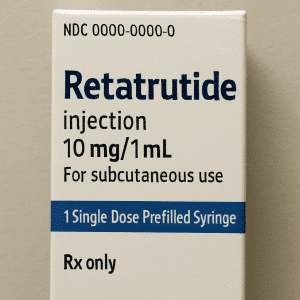
Retatrutide is a next-generation triple-agonist targeting GIP, GLP-1, and glucagon receptors, representing a potential advancement beyond tirzepatide’s dual-agonist approach. Developed by Eli Lilly, retatrutide is currently in Phase 3 clinical trials and has not yet received FDA approval.
Early Phase 2 data for retatrutide showed weight loss of up to 24.2% of body weight at 48 weeks — potentially exceeding tirzepatide’s results. The addition of glucagon receptor agonism is thought to further enhance energy expenditure and fat oxidation beyond what is achievable with dual GIP/GLP-1 agonism alone.
For patients currently evaluating treatment options, tirzepatide remains the most effective FDA-approved option for both type 2 diabetes and weight management. Retatrutide may become available in the coming years pending successful Phase 3 trials and FDA review, potentially offering an even more powerful option for patients who do not achieve adequate results with tirzepatide.
10. Clinical Studies & Evidence
Tirzepatide’s efficacy is supported by two major clinical trial programs — SURPASS (for type 2 diabetes) and SURMOUNT (for weight management) — comprising some of the largest and most rigorous trials ever conducted for a diabetes and obesity medication.
SURPASS Trial Program (Type 2 Diabetes)
The SURPASS program included five pivotal Phase 3 trials evaluating tirzepatide in patients with type 2 diabetes. SURPASS-1 demonstrated tirzepatide’s efficacy as monotherapy, with HbA1c reductions of 1.87% to 2.07% across doses. SURPASS-2 directly compared tirzepatide to semaglutide 1 mg, showing significantly greater HbA1c reduction (2.01% vs 1.86%) and weight loss (12.4 kg vs 6.2 kg) with tirzepatide at the highest dose. SURPASS-3, 4, and 5 evaluated tirzepatide in combination with various background therapies including insulin, demonstrating consistent superiority across treatment contexts.
SURMOUNT Trial Program (Weight Management)
The SURMOUNT program evaluated tirzepatide specifically for weight management. SURMOUNT-1 enrolled adults with obesity or overweight without diabetes and demonstrated weight loss of 16.5%, 21.4%, and 22.5% at the 5, 10, and 15 mg doses respectively over 72 weeks. SURMOUNT-2 evaluated tirzepatide in patients with type 2 diabetes and obesity, showing weight loss of up to 15.7% at 72 weeks. SURMOUNT-4 examined the consequences of discontinuation, finding that patients who stopped tirzepatide regained approximately two-thirds of their lost weight within one year, underscoring the need for maintenance therapy.
11. Cost, Insurance & Access
Tirzepatide is available through prescription at pharmacies nationwide, though cost and insurance coverage vary significantly. Understanding the cost landscape is important for patients planning long-term treatment.
The list price for brand-name Mounjaro and Zepbound can be substantial without insurance coverage. However, Eli Lilly offers savings programs that can significantly reduce out-of-pocket costs for eligible patients. The Mounjaro Savings Card and Zepbound Savings Card programs may reduce costs to as low as $25 per month for commercially insured patients who meet eligibility criteria. Medicare and Medicaid coverage varies by plan and indication. Compounded tirzepatide, available through licensed compounding pharmacies, may offer a lower-cost alternative, though patients should verify the quality and legitimacy of compounding pharmacies before use.
Tirzepatide requires a valid prescription from a licensed healthcare provider. It is not available over the counter. Patients should be cautious of online sources offering tirzepatide without a prescription, as these may be counterfeit or substandard products. Always obtain tirzepatide through a licensed pharmacy with a valid prescription.
12. Frequently Asked Questions About Tirzepatide
Below are the most commonly asked questions about tirzepatide, answered based on peer-reviewed clinical research, FDA prescribing information, and current medical guidelines.
Tirzepatide is a dual GIP/GLP-1 receptor agonist FDA-approved for type 2 diabetes (as Mounjaro) and chronic weight management (as Zepbound). It is used as an adjunct to diet and exercise to improve blood sugar control in adults with type 2 diabetes, and for long-term weight management in adults with obesity or overweight with at least one weight-related health condition.
Tirzepatide is measured in milligrams, not units. The starting dose of 2.5 mg comes in a pre-filled pen delivering 0.5 mL per injection. Units are a measurement used for insulin, not for tirzepatide. If you are using compounded tirzepatide, confirm the concentration (mg/mL) with your pharmacy to ensure you are drawing the correct volume.
Hair loss (alopecia) has been reported in some tirzepatide users, particularly those experiencing rapid weight loss. In most cases, this is telogen effluvium — a temporary form of hair shedding triggered by physiological stress, including significant caloric restriction and rapid weight loss. Hair typically regrows as weight stabilizes. Ensuring adequate protein intake and nutritional support during weight loss may help minimize hair loss.
Most patients notice appetite suppression within the first 1 to 2 weeks. Measurable weight loss typically begins within the first 4 weeks, with the most significant results seen over 6 to 18 months of continuous treatment. Blood sugar improvements in diabetic patients are often seen within the first few weeks of reaching a therapeutic dose (5 mg or higher).
The key difference is that tirzepatide is a dual GIP and GLP-1 receptor agonist, while semaglutide targets only the GLP-1 receptor. In head-to-head trials (SURPASS-2), tirzepatide produced greater HbA1c reduction (2.01% vs 1.86%) and greater weight loss (12.4 kg vs 6.2 kg) compared to semaglutide 1 mg. In dedicated weight loss trials, tirzepatide achieved up to 22.5% body weight loss vs up to 16.9% for semaglutide.
Yes, fatigue is a reported side effect, though not among the most common. Tiredness may result from reduced caloric intake, metabolic changes during weight loss, or the body’s adjustment to the medication. Fatigue typically improves as the body adapts to the new metabolic state and weight stabilizes.
Yes, unopened tirzepatide pens should be stored in the refrigerator at 36°F to 46°F (2°C to 8°C). Once in use, pens can be stored at room temperature (up to 86°F / 30°C) for up to 21 days. Never freeze tirzepatide pens, and discard any pen that has been frozen.
While there is no absolute contraindication, alcohol should be consumed cautiously, and patients should discuss any potential interactions with their healthcare provider. Alcohol can worsen gastrointestinal side effects and may affect blood sugar levels, particularly in patients with diabetes. Moderate consumption is generally considered acceptable, but heavy drinking is not recommended.
Yes, tirzepatide is the active ingredient in both Mounjaro and Zepbound. Mounjaro is approved for type 2 diabetes, while Zepbound is approved for chronic weight management. The medication itself is identical; the difference is the FDA-approved indication and the brand name used for marketing and prescribing purposes.
Several factors can affect weight loss: insufficient dosage (weight loss is dose-dependent), inadequate time on the medication (some patients are slow responders), dietary habits that offset the appetite-suppressing effects, insufficient physical activity, underlying metabolic conditions, medications that promote weight gain, and individual genetic variation in drug response. Discuss with your healthcare provider if you are not achieving expected results after 12 weeks at a therapeutic dose.
In the SURMOUNT-1 trial, participants lost an average of 22.5% of body weight (approximately 52 pounds) on the highest dose (15 mg) over 72 weeks. Individual results vary based on starting weight, dose, adherence, diet, and exercise. Most patients can expect 10–20% body weight loss with consistent use at therapeutic doses.
As of early 2026, tirzepatide is only available as a subcutaneous injection. However, Eli Lilly is actively developing an oral tirzepatide tablet in Phase 3 clinical trials. If approved, oral tirzepatide would offer a needle-free alternative for patients who prefer oral medications.
What You Need to Remember About Tirzepatide
- Tirzepatide is a first-in-class dual GIP/GLP-1 receptor agonist FDA-approved as Mounjaro (diabetes) and Zepbound (weight loss)
- Superior to semaglutide in head-to-head trials — greater HbA1c reduction (2.46% vs 1.86%) and weight loss (12.4 kg vs 6.2 kg)
- Weight loss of up to 22.5% of body weight demonstrated in the SURMOUNT-1 trial at the 15 mg dose over 72 weeks
- Dosing starts at 2.5 mg weekly and titrates up to 15 mg maximum, with increases every 4 weeks based on tolerability
- Most common side effects are gastrointestinal — nausea, diarrhea, and decreased appetite — which typically improve over time
- Carries a boxed warning for thyroid C-cell tumors; contraindicated in patients with medullary thyroid cancer or MEN-2
- Oral tirzepatide is in Phase 3 trials and may offer a non-injectable option in the near future
- Maintenance therapy is important — discontinuation leads to significant weight regain based on SURMOUNT-4 data
- Always consult a healthcare provider before starting, adjusting, or discontinuing tirzepatide therapy

Explore Research-Grade Peptides
PrymaLab offers pharma-grade peptides for research purposes, including GLP-1 analogs, incretin mimetics, and more. All products are third-party tested for purity and potency.
Browse Peptide Products →References & Further Reading
The following peer-reviewed sources were used in the preparation of this article. All citations link to their original publications.
- Frías JP, Davies MJ, Rosenstock J, et al. “Tirzepatide versus Semaglutide Once Weekly in Patients with Type 2 Diabetes.” New England Journal of Medicine. 2021;385(6):503–515.
- Jastreboff AM, Aronne LJ, Ahmad NN, et al. “Tirzepatide Once Weekly for the Treatment of Obesity.” New England Journal of Medicine. 2022;387(3):205–216.
- Dahl D, Onishi Y, Norwood P, et al. “Effect of Subcutaneous Tirzepatide vs Placebo Added to Titrated Insulin Glargine on Glycemic Control in Patients with Type 2 Diabetes.” JAMA. 2022;327(6):534–545.
- Aronne LJ, Sattar N, Horn DB, et al. “Continued Treatment With Tirzepatide for Maintenance of Weight Reduction in Adults With Obesity.” JAMA Internal Medicine. 2024;184(10):1133–1141.
- Farzam K, Patel P. “Tirzepatide.” StatPearls [Internet]. Treasure Island (FL): StatPearls Publishing; 2026 Jan-. Updated 2024.
- Meng Z, Yang M, Wen H, et al. “A systematic review of the safety of tirzepatide — a new dual GLP1 and GIP agonist.” Frontiers in Endocrinology. 2023;14:1169741.
- Thomas MK, Nikooienejad A, Bray R, et al. “Dual GIP and GLP-1 Receptor Agonist Tirzepatide Improves Beta-cell Function and Insulin Sensitivity in Type 2 Diabetes.” Journal of Clinical Endocrinology & Metabolism. 2021;106(2):388–396.
- Davies MJ, Aroda VR, Collins BS, et al. “Management of Hyperglycemia in Type 2 Diabetes, 2022. A Consensus Report by the American Diabetes Association (ADA) and the European Association for the Study of Diabetes (EASD).” Diabetes Care. 2022;45(11):2753–2786.
- Sun B, Willard FS, Feng D, et al. “Structural determinants of dual incretin receptor agonism by tirzepatide.” Proceedings of the National Academy of Sciences. 2022;119(12):e2116506119.
- Eli Lilly and Company. “Zepbound (tirzepatide) showed superior weight loss over Wegovy (semaglutide) in complete SURMOUNT-5 results.” Press Release. 2024.



-10MG-New-300x300.png)