

Buy Retatrutide Peptide: Benefits, Dosing Guide, Cost & Where to Purchase in 2026
This article is for educational and informational purposes only and does not constitute medical advice, diagnosis, or treatment recommendations. Retatrutide is an investigational compound not approved by the FDA for human therapeutic use. Never self-prescribe, self-administer, or purchase peptides from unverified sources. Always consult a licensed healthcare provider before considering any peptide protocol.
📌 QUICK OVERVIEW
Retatrutide — What You Need to Know
- Retatrutide is a triple-hormone receptor agonist targeting GLP-1, GIP, and glucagon receptors — the first of its kind in clinical development
- Phase 2 trials showed up to 24.2% mean body weight loss at the 12 mg dose over 48 weeks, rivaling bariatric surgery outcomes
- This guide covers retatrutide benefits, the complete retatrutide dosing schedule, reconstitution protocols, side effects, and clinical trial data
- Detailed retatrutide vs tirzepatide vs semaglutide comparison with head-to-head efficacy data and dosage charts
- Current retatrutide cost and pricing breakdown, plus a vetted guide on where to buy retatrutide peptide from reputable USA suppliers
- Complete FAQ section answering the most common questions about retatrutide dosage, availability, FDA approval status, and more
Retatrutide is a first-in-class triple-hormone receptor agonist peptide developed by Eli Lilly that simultaneously activates GLP-1, GIP, and glucagon receptors to produce what clinical researchers have called the most significant weight loss results ever observed in a pharmaceutical trial — up to 24.2% mean body weight reduction over 48 weeks. If you are looking to buy retatrutide peptide for research purposes, this comprehensive guide covers everything you need to know about retatrutide benefits, the recommended retatrutide dosing schedule, current retatrutide cost and pricing, potential side effects, how retatrutide compares to tirzepatide and semaglutide, and exactly where to find retatrutide for sale from trusted suppliers in the United States.
Unlike single-agonist medications such as semaglutide (Ozempic, Wegovy) or even the dual-agonist tirzepatide (Mounjaro, Zepbound), retatrutide's unique triple mechanism of action addresses obesity and metabolic dysfunction through three complementary pathways simultaneously. The addition of glucagon receptor activation — absent in all currently approved GLP-1 therapies — enhances energy expenditure and fat oxidation in ways that earlier treatments simply cannot match. Published results from the landmark Phase 2 trial in the New England Journal of Medicine demonstrated that participants receiving the highest retatrutide dosage lost more weight than any other non-surgical intervention has ever achieved in a controlled clinical setting, with 26% of participants on the 12 mg dose losing more than 30% of their total body weight.
This article provides a thorough, evidence-based exploration of retatrutide peptide — from its molecular mechanism and clinical trial data to practical guidance on retatrutide dosage charts, reconstitution protocols, injection techniques, and a transparent breakdown of retatrutide price and availability. Whether you are a researcher evaluating this compound for investigational use, a healthcare professional tracking the latest obesity drug updates, or someone seeking to understand how this next-generation peptide for fat loss works, you will find every detail you need in the sections that follow.
What Is Retatrutide? Understanding the Triple-Agonist Peptide
Retatrutide (also known by its research designation LY3437943) is an investigational peptide developed by Eli Lilly and Company that functions as a triple-hormone receptor agonist, meaning it simultaneously activates three distinct metabolic receptors: the glucagon-like peptide-1 (GLP-1) receptor, the glucose-dependent insulinotropic polypeptide (GIP) receptor, and the glucagon receptor. This triple mechanism of action distinguishes retatrutide from every other weight loss medication currently available or in late-stage development, positioning it as a potentially transformative compound in the treatment of obesity, type 2 diabetes, and related metabolic conditions.
To understand why retatrutide has generated such extraordinary interest in the scientific and medical communities, it helps to understand what each of these three receptor pathways contributes to metabolic regulation and why their simultaneous activation produces results that exceed what any single- or dual-agonist therapy can achieve.
The question "is retatrutide a peptide?" comes up frequently, and the answer is yes. Retatrutide is a synthetic peptide composed of a specific amino acid sequence engineered to bind with high affinity to all three target receptors. It is administered via subcutaneous injection once weekly, similar to other peptide-based therapies in this class. The compound is not naturally occurring — for those asking "is retatrutide natural?", the answer is no. Retatrutide was designed through rational drug design to optimize receptor binding profiles and pharmacokinetic properties, including a retatrutide half life of approximately six days that supports convenient once-weekly retatrutide dosing.
Retatrutide at a Glance
Table 1: Retatrutide Key Facts and Specifications
| Property | Details |
|---|---|
| Generic Name | Retatrutide (LY3437943) |
| Developer | Eli Lilly and Company |
| Drug Class | Triple-hormone receptor agonist (GLP-1 / GIP / Glucagon) |
| Administration | Subcutaneous injection, once weekly |
| Available Doses Studied | 0.5 mg, 1 mg, 2 mg, 4 mg, 8 mg, 12 mg |
| Retatrutide Half Life | Approximately 6 days (supports weekly dosing) |
| Peak Weight Loss (Phase 2) | 24.2% mean body weight loss at 12 mg / 48 weeks |
| FDA Status | Not approved — Phase 3 clinical trials ongoing (as of 2026) |
| Research Availability | Available from specialized peptide suppliers (research use only) |
💡 Key Definition
Triple-hormone receptor agonist: A compound that activates three different hormone receptors simultaneously. In retatrutide's case, these are the GLP-1 receptor (appetite suppression, insulin secretion), the GIP receptor (insulin potentiation, fat metabolism), and the glucagon receptor (energy expenditure, hepatic fat oxidation). This is sometimes referred to as a "GLP-3" mechanism, though the formal pharmacological term is tri-agonist.
How Does Retatrutide Work? Mechanism of Action Explained
Understanding how retatrutide works requires examining each of its three receptor targets and how their simultaneous activation creates synergistic metabolic effects that exceed what any single- or dual-agonist therapy can achieve. The retatrutide mechanism of action represents a paradigm shift in obesity pharmacotherapy — rather than pulling one or two metabolic levers, it engages three complementary pathways that address appetite, insulin dynamics, and energy balance simultaneously.
-
1GLP-1 Receptor Activation: Appetite Suppression and Glycemic Control
The GLP-1 (glucagon-like peptide-1) receptor pathway is the foundation of modern obesity pharmacotherapy and the mechanism shared by semaglutide, tirzepatide, and retatrutide. GLP-1 receptor activation slows gastric emptying, reduces appetite by acting on satiety centers in the brain, and stimulates glucose-dependent insulin secretion from the pancreas. In retatrutide, GLP-1 receptor activation provides the core appetite-suppressing and glycemic control effects that have made this class of medications so effective.
-
2GIP Receptor Activation: Insulin Potentiation and Fat Metabolism
The GIP (glucose-dependent insulinotropic polypeptide) receptor is the second target in retatrutide's triple-agonist profile. GIP receptor activation potentiates insulin secretion in a glucose-dependent manner, enhances fat metabolism in adipose tissue, and may improve the tolerability of GLP-1 receptor activation by counteracting some of its gastrointestinal side effects. The combination of GLP-1 and GIP receptor activation — as demonstrated by tirzepatide — produces greater weight loss than GLP-1 activation alone, and retatrutide builds on this dual foundation by adding a third pathway.
-
3Glucagon Receptor Activation: The Game-Changing Third Pathway
The glucagon receptor is what truly sets retatrutide apart from every other obesity medication in development. Glucagon receptor activation increases hepatic energy expenditure, stimulates fat oxidation in the liver, and promotes thermogenesis — the process by which the body generates heat by burning calories. This is the pathway responsible for retatrutide's ability to produce weight loss results that exceed those of dual-agonist therapies. Glucagon receptor activation also shows promise for reducing hepatic steatosis (fatty liver disease), a condition that affects a significant proportion of individuals with obesity and type 2 diabetes. The inclusion of this third mechanism is why researchers sometimes informally refer to retatrutide's mechanism as "GLP-3" — though this is a colloquial shorthand rather than an official pharmacological designation, referencing the three receptor targets rather than a specific receptor subtype. For those asking "what is GLP-3?" in the context of obesity research, it refers to this triple-receptor approach. The term "GLP 3 peptide" or simply "GLP 3" has become popular shorthand in online communities discussing retatrutide triple hormone receptor agonist obesity treatment, even though the compound's formal classification is a tri-agonist rather than a GLP-3 receptor-specific agent.
💡 Why Three Receptors Matter
Think of obesity as a problem with three locks. GLP-1 agonists like semaglutide have one key — appetite suppression. Tirzepatide has two keys — appetite suppression plus enhanced insulin signaling. Retatrutide carries all three keys: appetite suppression, enhanced insulin signaling, and increased energy expenditure through glucagon receptor activation. This is why retatrutide's clinical results have surpassed every other pharmaceutical approach to weight loss.
Retatrutide Benefits — Weight Loss, Metabolic Health & Beyond
The retatrutide benefits observed in clinical trials extend far beyond simple weight reduction, positioning it as a leading weight loss drug candidate for various health conditions. As a triple-hormone receptor agonist, retatrutide influences multiple metabolic systems simultaneously, producing improvements across a range of health markers that are directly relevant to individuals with obesity, type 2 diabetes, cardiovascular disease risk, and metabolic syndrome. The following sections detail the specific benefits of retatrutide documented in published research. Whether you search for reta peptide benefits or the full term retatrutide peptide benefits, the evidence points to the same remarkable set of outcomes across weight loss, glycemic control, cardiovascular health, and liver function.
Dramatic Weight Loss Results
The most headline-grabbing retatrutide peptide benefit is its unprecedented weight loss efficacy. In the Phase 2 trial published in the New England Journal of Medicine, participants receiving the 12 mg dose achieved a mean body weight loss of 24.2% over 48 weeks — the highest ever recorded for any pharmaceutical weight loss intervention. To put this in perspective, this level of weight reduction approaches the results typically seen only with bariatric surgery procedures such as gastric sleeve or gastric bypass. Among participants on the 8 mg and 12 mg doses, 100% achieved at least 5% body weight loss, and a remarkable 26% of those on the 12 mg dose lost more than 30% of their total body weight. These results establish retatrutide as the most potent peptide for fat loss currently in clinical development and the best fat burning peptide studied to date in controlled trials.
Glycemic Control and Type 2 Diabetes Management
Retatrutide has demonstrated significant improvements in glycemic markers in individuals with type 2 diabetes. Studies published in The Lancet reported HbA1c reductions of up to 2.02% — bringing many participants into near-normal blood sugar ranges. This dual benefit of weight loss and glycemic improvement makes retatrutide particularly valuable for the large population of individuals who have both obesity and type 2 diabetes, conditions that frequently co-occur and compound each other's health risks. The glucose-dependent nature of retatrutide's insulin-stimulating effects means that the risk of hypoglycemia remains low, an important safety consideration for diabetes management.
Cardiovascular Risk Reduction
Clinical trial data showed that retatrutide produced meaningful improvements in cardiovascular risk markers, including reductions in systolic blood pressure, improvements in lipid profiles (reduced triglycerides, improved HDL cholesterol), and reductions in waist circumference. These cardiovascular benefits are consistent with the known effects of significant weight loss and GLP-1 receptor activation, and they position retatrutide as a potentially important tool in comprehensive cardiovascular risk management for individuals with obesity-related metabolic disease.
Hepatic Fat Reduction and Steatotic Liver Disease
One of the most exciting emerging retatrutide benefits is its potential to address metabolic dysfunction-associated steatotic liver disease (MASLD, formerly known as non-alcoholic fatty liver disease or NAFLD). The glucagon receptor activation component of retatrutide specifically promotes hepatic fat oxidation, and early clinical data suggest significant reductions in liver fat content among trial participants. This is particularly noteworthy because there are currently very few effective pharmaceutical treatments for steatotic liver disease, and the condition affects an estimated 25 to 30% of the global adult population.
Potential Benefits for Osteoarthritis and Joint Health
While not a primary endpoint in retatrutide trials, the substantial weight loss achieved with this peptide has significant implications for osteoarthritis and joint health. Excess body weight is one of the strongest modifiable risk factors for knee and hip osteoarthritis, and research consistently shows that weight loss of 10% or more produces clinically meaningful improvements in joint pain, function, and inflammation. The 24.2% mean weight loss observed with retatrutide could translate to transformative improvements in quality of life for individuals suffering from obesity-related osteoarthritis — an area where osteoarthritis weight loss interventions have historically fallen short of the magnitude needed for meaningful joint benefit.
Metabolic Syndrome and Comprehensive Health Improvement
Beyond individual markers, retatrutide's multi-receptor approach addresses metabolic syndrome as a whole — the cluster of conditions including central obesity, insulin resistance, dyslipidemia, and hypertension that dramatically increases the risk of heart disease, stroke, and type 2 diabetes. By simultaneously improving weight, blood sugar, blood pressure, and lipid profiles, retatrutide offers a comprehensive metabolic reset that single-target therapies cannot match, contributing significantly to overall wellness.
✅ Retatrutide Benefits Summary
- Up to 24.2% mean body weight loss — the highest of any pharmaceutical intervention
- HbA1c reductions of up to 2.02% for improved blood sugar control
- Significant cardiovascular risk marker improvements (blood pressure, lipids)
- Hepatic fat reduction with potential benefits for steatotic liver disease
- Meaningful implications for osteoarthritis and joint health through weight reduction
- Comprehensive metabolic syndrome improvement across multiple markers simultaneously
Retatrutide Before and After — Clinical Trial Results
The retatrutide before and after data from published clinical trials paint a compelling picture of this peptide's efficacy. Rather than relying on anecdotal reports, the following section presents the actual retatrutide clinical trial results from peer-reviewed studies, providing the evidence base that has made retatrutide the most discussed investigational obesity compound in the world.
Phase 2 Trial: The Landmark NEJM Study (Jastreboff et al., 2023)
The pivotal Phase 2 trial, led by Dr. Ania Jastreboff and published in the New England Journal of Medicine, enrolled 338 adults with obesity (BMI ≥30) or overweight (BMI ≥27) with at least one weight-related comorbidity in a placebo-controlled setting. Participants were randomized to receive placebo or one of several retatrutide doses (0.5 mg, 1 mg, 2 mg, 4 mg, 8 mg, or 12 mg) administered via weekly subcutaneous injection over 48 weeks. The retatrutide results were unprecedented in the history of obesity pharmacotherapy.
Table 2: Retatrutide Phase 2 Trial — Weight Loss Results by Dose
| Dose Group | Mean Weight Loss (%) | Participants Losing ≥5% | Participants Losing ≥10% | Participants Losing ≥15% |
|---|---|---|---|---|
| Placebo | -2.1% | ~25% | ~9% | ~4% |
| 0.5 mg | -8.7% | ~64% | ~43% | ~21% |
| 4 mg (escalation) | -17.5% | ~93% | ~82% | ~71% |
| 8 mg (escalation) | -22.8% | 100% | ~93% | ~89% |
| 12 mg (escalation) | -24.2% | 100% | ~93% | ~93% |
These numbers are extraordinary by any standard. At the 12 mg dose, the average weight loss of 24.2% means that a person weighing 250 pounds (approximately 113 kg) would lose an average of 60.5 pounds (approximately 27.4 kg) over 48 weeks. Perhaps even more striking, 26% of participants on the 12 mg dose lost more than 30% of their body weight — a level of weight reduction that was previously achievable only through major surgical intervention. The weight loss curves showed that participants were still losing weight at the 48-week mark, suggesting that even greater reductions might be possible with longer treatment duration.
Diabetes Population Results (The Lancet Studies)
Separate studies published in The Lancet evaluated retatrutide specifically in populations with type 2 diabetes, where weight loss is typically more difficult to achieve due to the metabolic effects of insulin resistance and diabetes medications. Even in this more challenging population, retatrutide produced remarkable results: participants achieved approximately 16.9% body weight loss after 36 weeks, along with HbA1c reductions of up to 2.02%. These glycemic improvements brought many participants into near-normal blood sugar ranges, demonstrating that retatrutide's benefits extend well beyond weight loss alone.
Phase 3 Trials: What to Expect
Eli Lilly has initiated Phase 3 clinical trials for retatrutide, which will enroll larger patient populations and run for longer durations to confirm the safety and efficacy observed in Phase 2. These trials are expected to evaluate retatrutide across multiple indications, including obesity, type 2 diabetes, and potentially steatotic liver disease and sleep apnea. The retatrutide news from these Phase 3 trials will be critical in determining the timeline for potential FDA approval and broader availability. Additionally, a retatrutide Parkinson's disease clinical trial has been announced, exploring whether the compound's neuroprotective properties could benefit neurodegenerative conditions — a fascinating expansion of its potential therapeutic applications.
Retatrutide Dosing Guide — Dosage Chart & Schedule
Proper retatrutide dosing is essential for maximizing benefits while minimizing side effects. The clinical trials used a carefully designed dose-titration protocol that gradually increased the retatrutide dosage over several weeks, allowing the body to adapt to the medication and reducing the incidence and severity of gastrointestinal side effects. The following retatrutide dosage chart reflects the escalation schedule used in the Phase 2 trial for the highest-efficacy dose groups.
Retatrutide Dosing Schedule — Titration Protocol
Table 3: Retatrutide Dosage Chart — Weekly Titration Schedule
| Phase | Weeks | Weekly Dose | Purpose |
|---|---|---|---|
| Initiation | Weeks 1–4 | 0.5 mg | Establish tolerance; assess initial GI response |
| Escalation 1 | Weeks 5–8 | 1.0 mg | Gradual receptor engagement increase |
| Escalation 2 | Weeks 9–12 | 2.0 mg | Continued titration; appetite effects begin |
| Escalation 3 | Weeks 13–16 | 4.0 mg | Significant appetite suppression and early weight loss |
| Escalation 4 | Weeks 17–20 | 8.0 mg | Near-maximum therapeutic effect |
| Maintenance | Weeks 21+ | 12.0 mg | Maximum studied dose; peak efficacy |
The retatrutide starting dose of 0.5 mg per week is deliberately conservative. This retatrutide dosing chart reflects the same titration protocol used in the pivotal Phase 2 study, and a similar retatrutide peptide dosage chart format can be adapted for different vial concentrations. This initiation phase allows the gastrointestinal system to gradually adapt to GLP-1 receptor activation, which is the primary driver of nausea and other digestive side effects. Each subsequent escalation step increases the dose by a controlled increment, with four-week intervals providing sufficient time for the body to adjust before the next increase. This retatrutide dose schedule — also commonly searched as the retatrutide dosage schedule — was specifically designed to optimize the balance between efficacy and tolerability.
Retatrutide Dosage Calculator Considerations
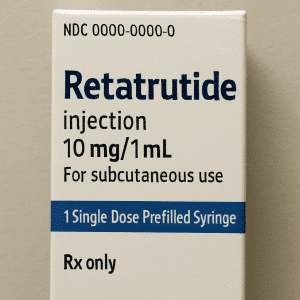
While a formal retatrutide dosage calculator tool is not yet publicly available from Eli Lilly, researchers working with this peptide need to understand the relationship between vial concentration, reconstitution volume, and injection volume to achieve accurate dosing. For a standard retatrutide 10 mg vial reconstituted with 2 mL of bacteriostatic water, the resulting concentration is 5 mg/mL. At this concentration, a 0.5 mg dose requires 0.1 mL (10 units on an insulin syringe), a 1.0 mg dose requires 0.2 mL, and so on. For a retatrutide peptide 20 mg vial reconstituted with 2 mL, the concentration doubles to 10 mg/mL, allowing smaller injection volumes at higher doses. A retatrutide dosage calculator for weight loss research should account for the specific vial size, reconstitution volume, and target weekly dose to determine the precise injection volume needed.
Dosing for Weight Loss vs. Diabetes Research
The optimal retatrutide dosing for weight loss research appears to be the 8 mg to 12 mg range based on Phase 2 data, where the most dramatic weight reductions were observed. For diabetes-focused research, lower doses in the 4 mg to 8 mg range showed substantial glycemic improvements while still producing significant weight loss. The retatrutide dosage for weight loss may differ from diabetes-focused protocols, and researchers should consider the specific endpoints of their investigation when selecting a target dose. The peptide dosing chart above provides the standard titration framework, but individual protocols may vary based on research objectives and subject tolerance. Researchers frequently search for a retatrutide dosage schedule or retatrutide dosing chart specific to their protocol — the table above serves as the foundational reference for any retatrutide peptide dosage calculation. For those seeking the optimal reta dosage for their specific research context, the dose-response data from the Phase 2 trial clearly shows that higher doses within the studied range produce greater weight loss, though the titration approach remains essential regardless of the target maintenance dose.
Never begin retatrutide at a high dose without proper titration. Skipping the gradual escalation protocol significantly increases the risk of severe nausea, vomiting, and other gastrointestinal adverse events. The starting dose of retatrutide should always be 0.5 mg per week, with increases occurring no more frequently than every four weeks. Always consult a healthcare provider before initiating any dosing retatrutide protocol.
How to Reconstitute and Inject Retatrutide
For researchers working with lyophilized (freeze-dried) retatrutide peptide, proper reconstitution and injection technique are essential for accurate dosing and peptide stability. The following protocols are based on standard research peptide handling practices.
Retatrutide Reconstitution Protocol
Understanding how to reconstitute retatrutide properly is essential for anyone working with the lyophilized powder form of this peptide. The reconstitution process converts the stable powder into a solution ready for injection.
-
1Gather Supplies
You will need: one vial of retatrutide peptide (typically retatrutide 10mg or 20 mg), bacteriostatic water (BAC water) for injection, sterile insulin syringes (typically 1 mL / 100-unit), alcohol swabs, and a clean work surface. Never use regular sterile water — bacteriostatic water contains 0.9% benzyl alcohol, which prevents microbial growth and extends the shelf life of the reconstituted peptide.
-
2Calculate Reconstitution Volume
For a 10 mg vial, adding 2 mL of bacteriostatic water yields a concentration of 5 mg/mL. For a 20 mg vial, adding 2 mL yields 10 mg/mL. Choose your reconstitution volume based on your target dose and preferred injection volume. Smaller injection volumes (0.1–0.3 mL) are generally more comfortable for subcutaneous administration.
-
3Add Bacteriostatic Water
Swab the vial stopper with alcohol. Draw the calculated volume of bacteriostatic water into the syringe. Insert the needle into the retatrutide vial and slowly inject the water down the side of the vial — not directly onto the powder. This gentle technique prevents foaming and peptide degradation.
-
4Mix Gently
Once the water is added, gently swirl the vial in a circular motion until the powder is completely dissolved. Do not shake the vial vigorously — shaking can damage the peptide structure through mechanical stress. The solution should become clear with no visible particles. If cloudiness or particles remain, do not use the solution.
-
5Store Properly
Store the reconstituted retatrutide solution in a refrigerator at 2–8°C (36–46°F). Reconstituted peptide should be used within 28–30 days. Keep away from light and do not freeze the reconstituted solution. Lyophilized (unreconstituted) peptide can be stored at -20°C for longer-term preservation.
How to Inject Retatrutide: Step-by-Step
Knowing how to inject retatrutide correctly ensures consistent absorption and minimizes discomfort. Retatrutide is administered as a subcutaneous injection — meaning it is injected into the fatty tissue just beneath the skin, not into muscle.
-
1Select an Injection Site
The recommended sites for where to inject retatrutide are the abdomen (at least 2 inches from the navel), the outer thigh, or the upper arm. Rotate injection sites with each administration to prevent lipodystrophy (localized fat changes) and minimize tissue irritation. Keep a rotation log if needed.
-
2Prepare the Injection
Clean the injection site with an alcohol swab and allow it to dry. Draw the correct dose volume from the reconstituted vial using a sterile insulin syringe. Remove any air bubbles by gently tapping the syringe and pushing the plunger until a small drop appears at the needle tip.
-
3Administer the Injection
Pinch a fold of skin at the injection site. Insert the needle at a 45- to 90-degree angle (90 degrees for most abdominal injections; 45 degrees for thinner individuals or arm injections). Inject the solution slowly and steadily. Release the skin fold, withdraw the needle, and apply gentle pressure with a clean swab. Do not rub the injection site.
For those wondering how to take retatrutide and how to use retatrutide in a research context, the subcutaneous injection method described above is the standard protocol used in all published clinical trials. Proper technique ensures consistent bioavailability and minimizes the risk of injection site reactions.
Retatrutide vs Tirzepatide vs Semaglutide — Comparison Guide
One of the most frequently asked questions in the obesity pharmacotherapy space is how retatrutide vs tirzepatide and retatrutide vs semaglutide compare in terms of efficacy, mechanism, and availability. The following head-to-head comparison provides a comprehensive overview of these three compounds.
Table 4: Retatrutide vs Tirzepatide vs Semaglutide — Head-to-Head Comparison
| Feature | Retatrutide | Tirzepatide (Mounjaro / Zepbound) | Semaglutide (Ozempic / Wegovy) |
|---|---|---|---|
| Mechanism | Triple agonist (GLP-1 + GIP + Glucagon) | Dual agonist (GLP-1 + GIP) | Single agonist (GLP-1 only) |
| Max Weight Loss | 24.2% (48 weeks, Phase 2) | 22.5% (72 weeks, Phase 3) | 15–17% (68 weeks, Phase 3) |
| HbA1c Reduction | Up to 2.02% | Up to 2.07% | Up to 1.8% |
| Dosing Frequency | Once weekly (subcutaneous) | Once weekly (subcutaneous) | Once weekly (subcutaneous) |
| Max Dose Studied | 12 mg/week | 15 mg/week | 2.4 mg/week |
| Energy Expenditure | Increased (via glucagon receptor) | Minimal direct effect | Minimal direct effect |
| Liver Fat Reduction | Significant (glucagon-mediated) | Moderate | Modest |
| FDA Approval | Not approved (Phase 3 ongoing) | Approved (diabetes & obesity) | Approved (diabetes & obesity) |
| Brand Names | None (investigational) | Mounjaro, Zepbound | Ozempic, Wegovy, Rybelsus |
| Developer | Eli Lilly | Eli Lilly | Novo Nordisk |
| Research Availability | Peptide suppliers (research only) | Prescription + compounding pharmacies | Prescription + compounding pharmacies |
Retatrutide vs Tirzepatide: Key Differences
The retatrutide vs tirzepatide comparison is particularly relevant because both compounds are developed by Eli Lilly and share the GLP-1 and GIP receptor activation mechanisms. The critical difference is retatrutide's additional glucagon receptor activation, which adds a third metabolic pathway focused on energy expenditure and hepatic fat oxidation. In the Phase 2 trial, retatrutide achieved 24.2% mean weight loss vs. tirzepatide's 22.5% in its Phase 3 SURMOUNT-1 trial — though direct head-to-head comparisons are complicated by differences in trial design, duration, and patient populations. The glucagon receptor component also gives retatrutide a potential advantage in liver fat reduction, which is an area where tirzepatide shows moderate but not dramatic effects.
Retatrutide vs Semaglutide: A Generational Leap
The retatrutide vs semaglutide comparison highlights the generational advancement that triple-agonist therapy represents. Semaglutide (Ozempic for diabetes, Wegovy for obesity) was considered a breakthrough when it achieved 15–17% mean weight loss in the STEP trials. Retatrutide's 24.2% result represents a 43–61% improvement in weight loss efficacy over semaglutide — a difference that is clinically meaningful and not merely statistical. The addition of GIP and glucagon receptor activation provides mechanisms that semaglutide simply cannot access, explaining the substantial efficacy gap between these two generations of obesity pharmacotherapy.
Mazdutide vs Retatrutide
Another emerging comparison is mazdutide vs retatrutide. Mazdutide is a dual GLP-1/glucagon receptor agonist (without GIP activation) developed by Innovent Biologics. While mazdutide has shown promising results in Chinese clinical trials, it lacks the GIP receptor component that contributes to retatrutide's insulin potentiation and tolerability profile. The retatrutide vs mazdutide comparison illustrates how each additional receptor target contributes incrementally to the overall metabolic effect, with retatrutide's triple mechanism providing the most comprehensive coverage of the three compounds.
Retatrutide Side Effects — What to Know Before You Buy
Understanding the potential side effects of retatrutide is essential for anyone considering this peptide for research or clinical evaluation. The safety profile observed in clinical trials is consistent with the known effects of GLP-1 receptor agonist class medications, with gastrointestinal effects being the most common category of adverse events.
Common Side Effects
The most frequently reported side effects in retatrutide clinical trials were gastrointestinal, consistent with the known class effects of GLP-1 receptor agonists. These included:
- Nausea — the most common side effect, typically most pronounced during dose escalation phases
- Diarrhea — reported in a significant proportion of participants, usually mild to moderate
- Constipation — reported in some participants, particularly at higher doses
- Decreased appetite — a pharmacological effect that contributes to weight loss but can be uncomfortable
- Injection site reactions — mild redness, swelling, or discomfort at the injection site
These gastrointestinal side effects were typically mild to moderate in severity and diminished over time as participants adapted to the medication. The gradual titration protocol was specifically designed to minimize these effects by allowing the body to adjust to each dose level before escalation.
Does Retatrutide Cause Hair Loss?
The question "does retatrutide cause hair loss" is one of the most common concerns raised by individuals researching this peptide. Hair loss was not identified as a common side effect in published retatrutide clinical trial data. However, rapid and significant weight loss — regardless of the method — can trigger telogen effluvium, a temporary form of hair shedding caused by metabolic stress. This is a general consideration for any rapid weight loss intervention, not specific to retatrutide. Individuals experiencing significant weight loss may notice increased hair shedding, which typically resolves as the body stabilizes at its new weight.
Retatrutide Side Effects Heart Considerations
Regarding retatrutide side effects heart concerns, the clinical trial data actually showed favorable cardiovascular effects rather than adverse ones. Participants experienced reductions in systolic blood pressure, improvements in lipid profiles, and reductions in waist circumference — all positive cardiovascular risk markers. A modest increase in heart rate was observed, consistent with the known class effect of GLP-1 receptor agonists, but this was not associated with adverse cardiac outcomes in the trial data. Individuals with pre-existing cardiac conditions should consult a cardiologist before considering any GLP-1-based therapy.
Serious Adverse Events
Serious adverse events were rare in retatrutide clinical trials, aligning with the safety profiles generally observed in the GLP-1 receptor agonist class. The overall safety profile was consistent with other GLP-1-based therapies, with no unexpected safety signals identified in Phase 2 data. Phase 3 trials will provide more comprehensive long-term safety data across larger and more diverse patient populations.
Retatrutide is an investigational compound that has not been approved by the FDA for any indication. It should only be used under the supervision of a qualified healthcare professional in appropriate research or clinical contexts. Never self-administer retatrutide or any investigational compound without medical supervision. Individuals with a personal or family history of medullary thyroid carcinoma (MTC) or Multiple Endocrine Neoplasia syndrome type 2 (MEN 2) should not use GLP-1 receptor agonists. Always disclose all medications and medical conditions to your healthcare provider.
Retatrutide Cost, Price & Availability in 2026
Understanding retatrutide cost and current market pricing is essential for researchers and individuals evaluating this peptide for investigational use. As an investigational compound not yet FDA-approved, retatrutide is available exclusively through research peptide suppliers rather than traditional pharmaceutical channels.
Current Retatrutide Price Breakdown
As of early 2026, the typical retatrutide price from reputable research peptide suppliers in the United States ranges as follows. Prices vary based on supplier, vial concentration, quantity purchased, and current market conditions.
Table 5: Retatrutide Cost by Vial Size and Quantity
| Vial Size | Price Range (Single Vial) | Price Range (Bulk / 5+ Vials) | Cost per mg |
|---|---|---|---|
| Retatrutide 5 mg | $30 – $65 | $25 – $50 | $6 – $13 |
| Retatrutide 10 mg | $45 – $120 | $35 – $90 | $4.50 – $12 |
| Retatrutide 20 mg | $80 – $200 | $65 – $160 | $4 – $10 |
Retatrutide Cost Per Month
The retatrutide cost per month depends entirely on the dosing protocol being followed. At the lower end of the titration schedule (0.5–1.0 mg/week), monthly costs are relatively modest — approximately $80–$120 per month using a 10 mg vial. At the higher maintenance doses (8–12 mg/week), monthly costs increase substantially to $320–$400+ per month, depending on the supplier and vial size used. Bulk purchasing typically reduces the per-vial cost by 20–30%, making it more economical for longer research protocols.
Is Retatrutide FDA Approved? Regulatory Status
As of early 2026, is retatrutide FDA approved? No. Retatrutide remains an investigational compound in Phase 3 clinical trials. It has not received FDA approval for any therapeutic indication. The FDA approval process requires successful completion of Phase 3 trials demonstrating safety and efficacy in large patient populations, followed by a New Drug Application (NDA) review process that typically takes 12–18 months. Based on current trial timelines, potential FDA approval for retatrutide could occur in late 2026 or 2027, though this timeline is subject to change based on trial results and regulatory review.
Retatrutide Prescription and Future Availability
Once FDA-approved, a retatrutide prescription would likely be available through endocrinologists, obesity medicine specialists, and primary care physicians with appropriate training in metabolic disease management. The prescription landscape for GLP-1-based therapies has expanded significantly in recent years, and retatrutide's superior efficacy profile suggests it could become a first-line option for severe obesity and metabolic disease once approved. Compounding pharmacy availability would depend on FDA regulations at the time of approval and the commercial availability of the branded product.
Where to Buy Retatrutide Peptide — Purchase Guide
Finding a reliable source to buy retatrutide peptide requires careful evaluation of suppliers, as the research peptide market varies significantly in quality, purity, and business practices. This section provides a comprehensive guide to navigating the retatrutide purchase process safely and effectively.
How to Get Retatrutide: Current Purchasing Options
For those asking "retatrutide how to get" or "how to get retatrutide" in the current regulatory environment, the primary avenue is through specialized research peptide suppliers that operate legally in the United States. These suppliers sell retatrutide for research purposes only — not for human consumption or therapeutic use. The research peptide market is largely unregulated in terms of product quality, which makes supplier selection critically important for obtaining pure, accurately dosed peptide.
What to Look for When Buying Retatrutide
-
1Third-Party Certificates of Analysis (COA)
The single most important quality indicator when you buy retatrutide online is the availability of third-party certificates of analysis (COA). A COA from an independent laboratory confirms the identity, purity, and concentration of the peptide. Reputable suppliers provide COAs for every batch, with results from accredited third-party testing facilities — not in-house testing. Always request and review the COA before purchasing.
-
2HPLC Purity Verification
High-performance liquid chromatography (HPLC) is the gold standard for peptide purity testing. Look for suppliers that provide HPLC purity results of ≥98% for their retatrutide products. HPLC testing confirms that the peptide is the correct compound and that impurities are within acceptable limits. Mass spectrometry (MS) confirmation of molecular weight is an additional quality indicator that the best suppliers provide.
-
3Transparent Business Practices
Trustworthy suppliers for retatrutide peptide buy USA purchases maintain transparent business practices, including clear contact information, responsive customer service, detailed product descriptions, and honest representation of their products as research chemicals. Avoid suppliers that make therapeutic claims, promise specific health outcomes, or operate without clear business identification.
-
4Customer Reviews and Reputation
Before placing a retatrutide peptide order, research the supplier's reputation through independent review platforms, research community forums, and verified customer testimonials. Long-established suppliers with consistent positive reviews and active community presence are generally more reliable than newer or anonymous vendors. Look for specific mentions of product quality, accurate dosing, and responsive customer service.
-
5Proper Storage and Shipping
Peptides are sensitive to heat and moisture. Reputable suppliers ship lyophilized peptides with appropriate cold-chain packaging, including ice packs or dry ice for temperature-sensitive shipments. Verify that the supplier uses proper packaging materials and offers expedited shipping options to minimize transit time and temperature exposure. Lyophilized peptide is more stable than reconstituted peptide during shipping.
Where to Buy Retatrutide Online in the USA
When searching for where to buy retatrutide or "retatrutide buy online USA," focus on established research peptide companies that have been operating for multiple years, maintain transparent quality documentation, and have verifiable positive reputations in the research community. PrymaLab offers research-grade retatrutide with third-party verified purity, detailed certificates of analysis, and expert customer support for researchers and healthcare professionals.
For those searching for retatrutide for sale online, retatrutide peptide buy online, or where to buy peptides for weight loss research, the key principle is to prioritize quality verification over price. The cheapest option is rarely the best option when it comes to research peptides, where purity and accurate concentration are essential for meaningful research outcomes.
💡 Research Use Disclaimer
Retatrutide peptide is sold by research suppliers for research purposes only. It is not approved for human consumption, therapeutic use, or self-administration. All purchases should be made by qualified researchers, licensed healthcare professionals, or authorized research institutions. PrymaLab sells research peptides exclusively to adults 18 years of age or older for legitimate research purposes.
Explore Research-Grade Retatrutide Products
PrymaLab offers premium research peptides with third-party verified purity, detailed certificates of analysis, and expert customer support. Browse our complete selection of research-grade peptides including retatrutide, tirzepatide analogs, semaglutide, and more.
Browse Peptide Products →Frequently Asked Questions About Retatrutide
Q: What does retatrutide do?
Retatrutide is a triple-hormone receptor agonist that simultaneously activates GLP-1, GIP, and glucagon receptors. This triple mechanism suppresses appetite, enhances insulin secretion, and increases energy expenditure through hepatic fat oxidation — producing the most significant weight loss results ever observed in a pharmaceutical clinical trial, with up to 24.2% mean body weight loss over 48 weeks.
Q: What is the recommended retatrutide dosage?
In clinical trials, retatrutide dosing followed a titration schedule starting at 0.5 mg per week for the first four weeks, escalating gradually to a maximum of 12 mg per week over approximately 20 weeks. The starting dose of 0.5 mg is essential to minimize gastrointestinal side effects. Always consult a healthcare provider before initiating any retatrutide protocol.
Q: How much does retatrutide cost?
Retatrutide cost varies depending on the supplier, vial concentration, and quantity purchased. Research-grade retatrutide typically ranges from $45–$120 for a 10 mg vial from reputable USA suppliers, with bulk pricing available. Monthly costs range from approximately $80–$400+ depending on the dosing phase.
Q: Where can I buy retatrutide peptide?
You can buy retatrutide peptide from specialized research peptide suppliers that operate online in the USA. When looking for where to buy retatrutide, prioritize suppliers that provide third-party certificates of analysis (COA), HPLC purity verification of ≥98%, transparent business practices, and proper cold-chain shipping.
Q: Is retatrutide FDA approved?
No, retatrutide is not FDA approved as of early 2026. It remains an investigational compound developed by Eli Lilly and Company currently in Phase 3 clinical trials. It is available for research purposes only and should not be used for human therapeutic purposes outside of supervised clinical trials.
Q: What are the side effects of retatrutide?
The most commonly reported side effects of retatrutide in clinical trials were gastrointestinal in nature, including nausea, diarrhea, vomiting, constipation, and decreased appetite. These effects were typically mild to moderate and diminished over time as the body adapted to the medication. Serious adverse events were rare.
Q: Does retatrutide cause hair loss?
Hair loss was not identified as a common side effect in published retatrutide clinical trial data. However, rapid and significant weight loss — regardless of the method — can trigger telogen effluvium, a temporary form of hair shedding caused by metabolic stress. This is a general consideration for any rapid weight loss intervention, not specific to retatrutide.
Q: How does retatrutide compare to tirzepatide and semaglutide?
Retatrutide is a triple-agonist targeting GLP-1, GIP, and glucagon receptors, while tirzepatide (Mounjaro/Zepbound) is a dual GLP-1/GIP agonist and semaglutide (Ozempic/Wegovy) is a single GLP-1 agonist. In terms of weight loss efficacy, retatrutide achieved 24.2% mean weight loss vs. 22.5% for tirzepatide and 15–17% for semaglutide in their respective Phase 2/3 trials.
Q: How do you reconstitute retatrutide?
To reconstitute retatrutide, you need bacteriostatic water (BAC water) and a sterile syringe. For a 10 mg retatrutide vial, add 2 mL of bacteriostatic water to achieve a concentration of 5 mg/mL. Swab the vial stopper with alcohol, inject the water slowly down the side of the vial, and gently swirl (do not shake) until fully dissolved. Store reconstituted peptide at 2–8°C.
Q: How long does retatrutide take to work?
Most participants in retatrutide clinical trials began noticing appetite suppression and early weight changes within the first two to four weeks of treatment. More significant weight loss typically became apparent after 8–12 weeks, with the most dramatic results observed between weeks 24 and 48 at higher doses.
Q: When will retatrutide be available by prescription?
Retatrutide is currently in Phase 3 clinical trials conducted by Eli Lilly. If these trials confirm the safety and efficacy observed in Phase 2, FDA approval could potentially occur in late 2026 or 2027, though regulatory timelines are subject to change.
Q: How do you inject retatrutide?
Retatrutide is administered as a subcutaneous injection, typically in the abdomen, thigh, or upper arm. Clean the injection site with an alcohol swab, pinch a fold of skin, insert the needle at a 45–90 degree angle, and inject slowly. Rotate injection sites with each administration to minimize tissue irritation.
🎯 Key Takeaways: Retatrutide Peptide
- Retatrutide is a first-in-class triple-agonist peptide (GLP-1 + GIP + Glucagon) that produced 24.2% mean weight loss in Phase 2 trials — the highest ever recorded for any pharmaceutical intervention
- The retatrutide dosing schedule starts at 0.5 mg/week and titrates up to 12 mg/week over 20 weeks, with each escalation step spaced four weeks apart to minimize gastrointestinal side effects
- Retatrutide benefits include dramatic weight loss, HbA1c reduction up to 2.02%, cardiovascular risk improvement, and hepatic fat reduction — addressing metabolic syndrome comprehensively
- The retatrutide vs tirzepatide vs semaglutide comparison shows progressive improvement with each additional receptor target, with retatrutide's triple mechanism producing the greatest weight loss of the three
- Common side effects of retatrutide are gastrointestinal (nausea, diarrhea, vomiting) and typically mild, diminishing with time and proper titration
- Retatrutide cost ranges from $40–$120 per 10 mg vial from research suppliers, with monthly costs of $80–$400+ depending on the dosing phase
- To buy retatrutide peptide, choose suppliers with third-party COAs, ≥98% HPLC purity, and transparent business practices — never prioritize price over quality verification
- Retatrutide is not FDA approved — it is in Phase 3 trials with potential approval estimated for late 2026 or 2027
- Always consult a healthcare provider before initiating any retatrutide protocol and ensure compliance with all applicable research regulations
This article is provided for educational and informational purposes only and does not constitute medical advice, diagnosis, or treatment. Retatrutide is an investigational research peptide that requires evaluation, prescription, and supervision by a licensed healthcare provider for any therapeutic application. Individual results vary. Never self-diagnose, self-prescribe, or purchase peptides from unverified sources. PrymaLab provides research-grade peptides for licensed medical professionals and authorized research institutions only. Persons under 18 should not use peptide therapies without strict medical justification.

References & Further Reading
The following peer-reviewed sources were used in the preparation of this article. All citations link to their original publications.
- Jastreboff AM, Kaplan LM, Frías JP, et al. Triple–Hormone-Receptor Agonist Retatrutide for Obesity — A Phase 2 Trial. New England Journal of Medicine. 2023;389(6):514–526. doi:10.1056/NEJMoa2301972
- Rosenstock J, Frias JP, Jastreboff AM, et al. Retatrutide, a GIP, GLP-1 and Glucagon Receptor Agonist, for People with Type 2 Diabetes: a Randomised, Double-Blind, Placebo and Active-Controlled, Parallel-Group, Phase 2 Trial Conducted in the USA. The Lancet. 2023;402(10401):529–544. doi:10.1016/S0140-6736(23)01053-X
- Coskun T, Urva S, Roell WC, et al. LY3437943, a Novel Triple GIP, GLP-1, and Glucagon Receptor Agonist for Glycemic Control and Weight Loss: From Discovery to Clinical Proof of Concept. Cell Metabolism. 2022;34(9):1234–1247. doi:10.1016/j.cmet.2022.08.003
- Jastreboff AM, Aronne LJ, Ahmad NN, et al. Tirzepatide Once Weekly for the Treatment of Obesity. New England Journal of Medicine. 2022;387(3):205–216. doi:10.1056/NEJMoa2206038
- Wilding JPH, Batterham RL, Calanna S, et al. Once-Weekly Semaglutide in Adults with Overweight or Obesity. New England Journal of Medicine. 2021;384(11):989–1002. doi:10.1056/NEJMoa2032183
- Finan B, Yang B, Ottaway N, et al. A Rationally Designed Monomeric Peptide Triagonist Corrects Obesity and Diabetes in Rodents. Nature Medicine. 2015;21(1):27–36. doi:10.1038/nm.3761
- Frías JP, Davies MJ, Rosenstock J, et al. Tirzepatide versus Semaglutide Once Weekly in Patients with Type 2 Diabetes. New England Journal of Medicine. 2021;385(6):503–515. doi:10.1056/NEJMoa2107519
- Sanyal AJ, Kaplan LM, Frias JP, et al. Triple Hormone Receptor Agonist Retatrutide for Metabolic Dysfunction-Associated Steatohepatitis: A Randomized Phase 2a Trial. Nature Medicine. 2024;30(8):2037–2048. doi:10.1038/s41591-024-03018-2
- Müller TD, Blüher M, Tschöp MH, DiMarchi RD. Anti-Obesity Drug Discovery: Advances and Challenges. Nature Reviews Drug Discovery. 2022;21(3):201–223. doi:10.1038/s41573-021-00337-8
- Eli Lilly and Company. Lilly's Retatrutide (LY3437943) Achieved Up to 24.2% Body Weight Reduction at 48 Weeks in Adults with Obesity or Overweight in Phase 2 Study. Press Release. June 2023. Available at: investor.lilly.com


-10MG-New-300x300.png)