


Semaglutide Benefits: Uses, Dosing, Side Effects & Complete Guide
Semaglutide is an FDA-approved GLP-1 receptor agonist used for type 2 diabetes management and chronic weight management. Semaglutide benefits include significant weight loss averaging 15–17% of body weight, improved glycemic control with HbA1c reductions of 1.5–2.0%, and a 20% reduction in major cardiovascular events. Available as Ozempic (diabetes), Wegovy (weight loss), and Rybelsus (oral formulation), this GLP-1 receptor agonist works by mimicking the incretin hormone GLP-1 to regulate blood sugar, slow gastric emptying, and reduce appetite. In this comprehensive, evidence-based guide, you will learn everything about semaglutide benefits, proper dosing protocols, side effects, how it compares to tirzepatide and other GLP-1 drugs, and critical safety considerations backed by peer-reviewed clinical research.
- What the drug is and how this GLP-1 receptor agonist works at the molecular level
- All FDA-approved uses — type 2 diabetes, weight management, and cardiovascular risk reduction
- Comprehensive semaglutide benefits backed by STEP, SUSTAIN, and SELECT clinical trials
- Complete dosing protocols with titration schedules for Ozempic, Wegovy, and Rybelsus
- Semaglutide vs tirzepatide — head-to-head comparison of efficacy, cost, and safety
- Side effects, drug interactions, and contraindications you need to know
- Semaglutide before and after — realistic timeline of what to expect
- 12 frequently asked questions answered by research
What Is Semaglutide? Understanding the GLP-1 Receptor Agonist
Understanding what is semaglutide used for begins with its origins: this medication is a synthetic analog of human glucagon-like peptide-1 (GLP-1), a naturally occurring incretin hormone that plays a central role in blood sugar regulation and appetite control. Developed by Novo Nordisk, the peptide was engineered with a 94% structural similarity to native human GLP-1 but with critical modifications that extend its half-life to approximately seven days, enabling once-weekly dosing. These modifications include an amino acid substitution at position 8 (alanine to alpha-aminoisobutyric acid) that resists degradation by the enzyme dipeptidyl peptidase-4 (DPP-4), and a fatty acid chain that enables binding to albumin in the blood, slowing renal clearance.
The U.S. Food and Drug Administration (FDA) has approved this GLP-1 agonist under three distinct brand names, each targeting a specific clinical indication. Ozempic (injectable semaglutide, 0.5 mg, 1 mg, and 2 mg doses) was approved in December 2017 for the treatment of type 2 diabetes mellitus. Wegovy (injectable semaglutide, 2.4 mg dose) received FDA approval in June 2021 specifically for chronic weight management in adults with obesity (BMI ≥ 30) or overweight (BMI ≥ 27) with at least one weight-related comorbidity. Rybelsus (oral semaglutide, 7 mg and 14 mg tablets) was approved in September 2019 as the first oral GLP-1 receptor agonist for type 2 diabetes.
Where Does Semaglutide Fit in the GLP-1 Drugs List?
Semaglutide belongs to the broader class of GLP-1 receptor agonists, which includes several other FDA-approved medications. The complete GLP-1 drugs list includes exenatide (Byetta, Bydureon), liraglutide (Victoza for diabetes, Saxenda for weight loss), dulaglutide (Trulicity), semaglutide (Ozempic, Wegovy, Rybelsus), and the newer dual-agonist tirzepatide (Mounjaro for diabetes, Zepbound for weight loss). Among these, the agent has emerged as one of the most widely prescribed due to its potent efficacy, convenient once-weekly dosing, and extensive clinical trial data supporting both metabolic and cardiovascular benefits.
Key Distinction: This treatment is a GLP-1 receptor agonist, not insulin. It works by enhancing the body’s own insulin production in response to food intake, rather than replacing insulin directly. This glucose-dependent mechanism means this therapy carries a significantly lower risk of hypoglycemia compared to insulin or sulfonylurea medications when used as monotherapy.
How Does Semaglutide Work? Mechanism of Action Explained
Understanding how the medication works requires examining its effects on multiple organ systems simultaneously. As a GLP-1 receptor agonist, this GLP-1 receptor agonist binds to and activates GLP-1 receptors found throughout the body, triggering a cascade of metabolic responses that collectively improve blood sugar control, reduce appetite, and promote weight loss.
Pancreatic Effects: Insulin and Glucagon Regulation
When the drug activates GLP-1 receptors on pancreatic beta cells, it stimulates glucose-dependent insulin secretion. This means the pancreas releases more insulin when blood sugar levels are elevated (such as after a meal) but does not overstimulate insulin production when blood sugar is normal, significantly reducing the risk of hypoglycemia. Simultaneously, this medication suppresses glucagon secretion from pancreatic alpha cells. Glucagon is a hormone that signals the liver to release stored glucose into the bloodstream. By reducing glucagon levels, the peptide decreases hepatic glucose output, contributing to lower fasting blood sugar levels and improved overall glycemic control.
Gastrointestinal Effects: Gastric Emptying and Satiety
This GLP-1 agonist significantly slows gastric emptying, the rate at which food moves from the stomach into the small intestine. This delayed gastric emptying serves two important functions. First, it reduces the rate at which glucose from food enters the bloodstream, blunting postprandial (after-meal) blood sugar spikes. Second, it prolongs the feeling of fullness after eating, which naturally reduces food intake. Clinical studies have demonstrated that the compound reduces caloric intake by approximately 24–35% compared to placebo, primarily through this enhanced satiety mechanism.
Central Nervous System Effects: Appetite and Food Reward
GLP-1 receptors are also present in the hypothalamus and other brain regions that regulate appetite, hunger, and food reward. Semaglutide crosses the blood-brain barrier and directly influences these neural circuits, reducing hunger signals and decreasing the hedonic (pleasure-based) drive to eat. Functional MRI studies have shown that this injectable reduces activation in brain regions associated with food craving and reward when patients are shown images of high-calorie foods. This central appetite suppression is a key differentiator from older weight loss medications and explains why patients report not just eating less, but genuinely wanting less food.
Research Insight: A 2023 study published in Nature Medicine demonstrated that semaglutide’s effects on the brain’s reward centers may extend beyond food, with preliminary evidence suggesting reduced cravings for alcohol and other addictive substances. This finding has opened new research avenues for the agent’s potential applications beyond diabetes and obesity.
Semaglutide Benefits: What the Research Shows
The semaglutide benefits documented in clinical research extend well beyond its primary indications of blood sugar control and weight loss. Large-scale clinical trial programs, including the SUSTAIN trials (diabetes), STEP trials (weight loss), and the landmark SELECT trial (cardiovascular outcomes), have revealed a broad spectrum of metabolic, cardiovascular, and quality-of-life improvements.
Weight Loss Benefits
The STEP (Semaglutide Treatment Effect in People with Obesity) clinical trial program is the most comprehensive weight loss dataset for this GLP-1 agonist. Across multiple STEP trials involving thousands of participants, semaglutide 2.4 mg (Wegovy) consistently demonstrated average weight loss of 15–17% of total body weight over 68 weeks. In the STEP 1 trial, 86% of participants lost at least 5% of their body weight, 69% lost at least 10%, and 50% lost at least 15%. These results significantly exceeded those of any previously approved weight loss medication.
Blood Sugar and Diabetes Control
For type 2 diabetes management, the SUSTAIN trial program demonstrated that this GLP-1 receptor agonist reduces HbA1c (a measure of average blood sugar over 2–3 months) by 1.5–2.0 percentage points, depending on the dose and baseline HbA1c level. This reduction is clinically significant and often sufficient to bring patients from uncontrolled diabetes (HbA1c above 8%) into the target range (below 7%). The drug also reduces fasting plasma glucose and postprandial glucose excursions, providing comprehensive glycemic control throughout the day.
Cardiovascular Benefits
The SELECT trial, published in the New England Journal of Medicine in 2023, was a landmark study that demonstrated this medication’s cardiovascular benefits in patients with established cardiovascular disease and overweight or obesity but without diabetes. The trial showed a 20% reduction in major adverse cardiovascular events (MACE), including heart attack, stroke, and cardiovascular death. This finding led to an expanded FDA indication for Wegovy to include cardiovascular risk reduction, making semaglutide the first weight loss medication with a proven cardiovascular benefit.
Additional Metabolic Benefits
Beyond the primary endpoints, clinical trials have documented several additional semaglutide benefits that contribute to overall metabolic health improvement. These include reductions in systolic blood pressure (4–7 mmHg on average), improvements in lipid profiles (reduced triglycerides, increased HDL cholesterol), reductions in liver fat content (relevant for non-alcoholic fatty liver disease), improvements in inflammatory markers (C-reactive protein, interleukin-6), and improvements in physical functioning and quality of life scores. Emerging research also suggests potential benefits for kidney function, sleep apnea, and osteoarthritis symptoms, though these indications are still under investigation.
| Semaglutide Benefit | Clinical Evidence | Trial Program |
|---|---|---|
| Weight loss (15–17% body weight) | STEP 1: 86% lost ≥5%, 50% lost ≥15% | STEP 1–5 |
| HbA1c reduction (1.5–2.0%) | Superior to all comparators tested | SUSTAIN 1–10 |
| Cardiovascular risk reduction (20%) | 20% MACE reduction in SELECT trial | SELECT |
| Blood pressure reduction | 4–7 mmHg systolic reduction | STEP, SUSTAIN |
| Triglyceride improvement | 12–22% reduction | SUSTAIN |
| Liver fat reduction | Significant reduction in hepatic steatosis | Emerging data |
| Inflammatory marker reduction | CRP, IL-6 improvements | SELECT, STEP |
| Quality of life improvement | Significant improvement in SF-36 scores | STEP 1–3 |
Semaglutide for Weight Loss: Clinical Evidence and Results
Semaglutide weight loss results have been extensively documented across the STEP clinical trial program, which enrolled over 10,000 participants across multiple studies. The weight loss achieved with semaglutide 2.4 mg (Wegovy) represents a paradigm shift in pharmacological weight management, approaching results previously achievable only through bariatric surgery.
STEP Trial Results Summary
The STEP 1 trial enrolled 1,961 adults with obesity (BMI ≥ 30) or overweight (BMI ≥ 27) with at least one weight-related comorbidity. Participants receiving this GLP-1 agonist 2.4 mg weekly lost an average of 14.9% of their body weight over 68 weeks, compared to 2.4% in the placebo group. The STEP 2 trial specifically studied patients with type 2 diabetes and obesity, demonstrating 9.6% weight loss (lower than STEP 1 due to the metabolic effects of diabetes on weight loss). The STEP 3 trial combined the compound with intensive behavioral therapy, achieving 16.0% weight loss. The STEP 5 trial extended the treatment period to 104 weeks (2 years), confirming that weight loss was sustained with continued treatment, with participants maintaining an average loss of 15.2% of body weight.
Body Composition Changes
An important consideration with any weight loss intervention is the composition of weight lost. Dual-energy X-ray absorptiometry (DEXA) analyses from the STEP trials revealed that approximately 60–65% of weight lost with this injectable was fat mass, while 35–40% was lean mass. This ratio is comparable to weight loss achieved through caloric restriction alone and highlights the importance of adequate protein intake and resistance exercise during semaglutide treatment to preserve lean muscle mass.
Semaglutide for Type 2 Diabetes Management
The agent has become one of the most prescribed medications for type 2 diabetes, supported by the comprehensive SUSTAIN clinical trial program. The American Diabetes Association (ADA) 2024 Standards of Care now recommend GLP-1 receptor agonists, including this treatment, as a preferred second-line therapy after metformin for most patients with type 2 diabetes, and as a first-line option for patients with established cardiovascular disease or high cardiovascular risk.
Glycemic Control Outcomes
Across the SUSTAIN trials, this therapy demonstrated superior HbA1c reduction compared to every active comparator tested, including sitagliptin (SUSTAIN 2), exenatide extended-release (SUSTAIN 3), insulin glargine (SUSTAIN 4), dulaglutide (SUSTAIN 7), and canagliflozin (SUSTAIN 8). In SUSTAIN 6, the cardiovascular outcomes trial, the medication also demonstrated a 26% reduction in major adverse cardiovascular events in patients with type 2 diabetes and high cardiovascular risk. The oral formulation, Rybelsus, showed comparable HbA1c reductions in the PIONEER trial program, offering an alternative for patients who prefer oral medication over injections.
Potential for Diabetes Remission
Emerging research suggests that this GLP-1 receptor agonist, particularly when combined with lifestyle modifications, may facilitate type 2 diabetes remission in some patients. A 2024 study published in The Lancet Diabetes & Endocrinology found that 12% of patients treated with the drug 2.4 mg achieved diabetes remission (defined as HbA1c below 6.5% without diabetes medications) after 68 weeks, compared to 2% in the placebo group. While not a cure, this finding suggests that aggressive early treatment with this medication may alter the disease trajectory for some patients.
Cardiovascular Benefits of Semaglutide
The cardiovascular benefits of the peptide represent one of the most significant advances in cardiometabolic medicine in recent years. The SELECT trial (Semaglutide Effects on Cardiovascular Outcomes in People with Overweight or Obesity) was a randomized, double-blind, placebo-controlled trial involving 17,604 participants aged 45 years or older with established cardiovascular disease and a BMI of 27 or greater, but without diabetes.
The results, published in the New England Journal of Medicine in November 2023, demonstrated that the compound 2.4 mg reduced the composite primary endpoint of cardiovascular death, nonfatal myocardial infarction, or nonfatal stroke by 20% compared to placebo (hazard ratio 0.80, 95% CI 0.72–0.90). This benefit was consistent across subgroups defined by age, sex, race, baseline BMI, and baseline cardiovascular risk factors. The trial also showed reductions in heart failure events, all-cause mortality (though not statistically significant as a standalone endpoint), and the need for coronary revascularization procedures.
Semaglutide Dosing: Complete Titration Guide
Proper semaglutide dosing follows a carefully designed titration schedule that gradually increases the dose over several weeks to minimize gastrointestinal side effects. The titration approach is critical because starting at the full therapeutic dose would cause intolerable nausea and vomiting in most patients. Understanding the correct semaglutide dosage protocol for each formulation ensures both safety and optimal efficacy.
Wegovy (Weight Loss) Dosing Schedule
| Phase | Weeks | Dose | Frequency | Notes |
|---|---|---|---|---|
| Titration 1 | Weeks 1–4 | 0.25 mg | Once weekly | Starting dose; assess tolerance |
| Titration 2 | Weeks 5–8 | 0.5 mg | Once weekly | First dose increase |
| Titration 3 | Weeks 9–12 | 1.0 mg | Once weekly | Moderate dose; some weight loss begins |
| Titration 4 | Weeks 13–16 | 1.7 mg | Once weekly | Approaching therapeutic dose |
| Maintenance | Week 17+ | 2.4 mg | Once weekly | Full therapeutic dose for weight loss |
Ozempic (Diabetes) Dosing Schedule
For type 2 diabetes management with Ozempic, the titration schedule is simpler. Patients begin with 0.25 mg once weekly for the first four weeks, then increase to 0.5 mg once weekly. After at least four weeks at 0.5 mg, the dose may be increased to 1.0 mg once weekly if additional glycemic control is needed. A 2.0 mg dose is also available for patients requiring maximum efficacy. Each dose increase should be separated by at least four weeks to allow the body to adjust.
Rybelsus (Oral Semaglutide) Dosing
Oral semaglutide (Rybelsus) follows a different dosing protocol due to its unique absorption requirements. Patients start with 3 mg once daily for 30 days, then increase to 7 mg once daily. After at least 30 days at 7 mg, the dose may be increased to 14 mg once daily for additional glycemic control. Rybelsus must be taken on an empty stomach with no more than 4 ounces of plain water, at least 30 minutes before the first food, beverage, or other oral medication of the day. This strict administration requirement is necessary because the absorption-enhancing agent SNAC (sodium N-[8-(2-hydroxybenzoyl) amino] caprylate) requires an acidic, empty stomach environment to facilitate peptide absorption.
Compounded Semaglutide and Sublingual Semaglutide
Compounded semaglutide has gained attention as a more affordable alternative to brand-name formulations. Compounding pharmacies prepare semaglutide in various concentrations, commonly 5 mg/mL, which requires patients to calculate their dose in units using an insulin syringe. A semaglutide 5mg/ml dosage chart is essential for accurate dosing: for example, 20 units equals 0.5 mg, and 40 units equals 1.0 mg. Sublingual semaglutide is another compounded formulation that is placed under the tongue for absorption through the oral mucosa, offering a needle-free alternative to injection. Compounded semaglutide formulations sometimes include cyanocobalamin (vitamin B12) to address potential B12 deficiency associated with GLP-1 therapy.
⚠ Important Safety Note: Compounded semaglutide is not FDA-approved and is not subject to the same manufacturing standards as brand-name products. The FDA has issued warnings about compounded semaglutide products, including concerns about sterility, potency, and the use of salt forms (this treatment sodium) that differ from the approved formulation. Always obtain this therapy from a licensed healthcare provider and a reputable pharmacy.
How to Administer Semaglutide: Injection, Oral, and Sublingual
The medication is available in multiple administration forms, each with specific techniques and considerations. Understanding the proper administration method for your prescribed formulation is essential for achieving optimal therapeutic results.
Subcutaneous Injection (Ozempic and Wegovy)
Both Ozempic and Wegovy are administered as subcutaneous injections using pre-filled, multi-dose pen injectors. The injection should be given in the abdomen (at least 2 inches from the navel), thigh, or upper arm. Rotate injection sites with each dose to prevent lipodystrophy (changes in fat tissue at the injection site). The injection can be given at any time of day, with or without meals, but should be administered on the same day each week. If a dose is missed and it has been fewer than five days since the missed dose, administer it as soon as possible. If more than five days have passed, skip the missed dose and resume the regular schedule.
Oral Administration (Rybelsus)
Rybelsus requires strict adherence to its administration protocol for adequate absorption. Take the tablet on an empty stomach first thing in the morning with no more than 4 ounces (120 mL) of plain water. Do not split, crush, or chew the tablet. Wait at least 30 minutes before eating, drinking anything other than plain water, or taking other oral medications. Food, beverages, and other medications can significantly reduce the absorption of oral semaglutide, potentially rendering it ineffective.
Sublingual Semaglutide Administration
Sublingual semaglutide, available through compounding pharmacies, is administered by placing the prescribed dose under the tongue and allowing it to dissolve completely without swallowing for 60–90 seconds. This route bypasses the gastrointestinal tract, potentially offering better bioavailability than oral tablets for some patients. However, sublingual semaglutide is not FDA-approved, and absorption can vary significantly between individuals.
Semaglutide Side Effects: What to Expect
Understanding semaglutide side effects is essential for setting realistic expectations and managing treatment effectively. The side effect profile of this GLP-1 receptor agonist is well-characterized through extensive clinical trial data involving tens of thousands of participants. Most side effects are gastrointestinal in nature, dose-dependent, and tend to diminish over time as the body adjusts to the medication.
Common Side Effects
- 1Nausea (40–44% of patients)
The most frequently reported side effect, typically most pronounced during dose escalation. Usually mild to moderate and improves within 4–8 weeks. Eating smaller meals and avoiding high-fat foods can help manage nausea.
- 2Diarrhea (30% of patients)
Often occurs during the first few weeks of treatment or after dose increases. Usually self-limiting. Staying hydrated and avoiding trigger foods can reduce severity.
- 3Vomiting (24% of patients)
More common during titration phases. Eating slowly, choosing bland foods, and avoiding lying down immediately after meals can help. Contact your provider if vomiting is persistent or severe.
- 4Constipation (24% of patients)
Related to slowed gastric emptying. Adequate fiber intake, hydration, and physical activity can help maintain regular bowel function.
- 5Abdominal pain (20% of patients)
Usually mild and associated with gastrointestinal adjustment. Severe or persistent abdominal pain should be evaluated promptly to rule out pancreatitis.
- 6The drug headache (14% of patients)
Often related to changes in blood sugar, dehydration, or reduced caloric intake. Staying hydrated and eating regular small meals can minimize occurrence.
- 7This medication fatigue (11% of patients)
May be related to reduced caloric intake and metabolic adjustment. Ensuring adequate protein and calorie intake, along with regular sleep, can help manage tiredness.
Serious Side Effects (Rare)
While rare, several serious side effects have been associated with the peptide and require immediate medical attention. These include acute pancreatitis (inflammation of the pancreas, presenting as severe persistent abdominal pain radiating to the back), gallbladder disease (gallstones and cholecystitis, occurring in approximately 1.5–2.5% of patients in clinical trials), acute kidney injury (usually secondary to severe dehydration from vomiting or diarrhea), diabetic retinopathy complications (in patients with pre-existing diabetic eye disease), and allergic reactions (extremely rare, presenting as rash, itching, or anaphylaxis).
Semaglutide Withdrawal Symptoms
This GLP-1 agonist withdrawal symptoms are not withdrawal in the traditional pharmacological sense, as semaglutide is not addictive and does not cause physical dependence. However, discontinuing the compound can lead to a return of pre-treatment appetite levels, weight regain (studies show approximately two-thirds of lost weight may be regained within one year of discontinuation), worsening of blood sugar control in diabetic patients, and a psychological adjustment period as appetite and food cravings return. For these reasons, many healthcare providers recommend a gradual dose reduction rather than abrupt discontinuation, along with intensified lifestyle modifications to maintain as much benefit as possible.
Semaglutide vs Tirzepatide: Complete Comparison
The comparison of semaglutide vs tirzepatide is one of the most searched topics in weight loss and diabetes management. Tirzepatide (marketed as Mounjaro for diabetes and Zepbound for weight loss) is a dual GIP/GLP-1 receptor agonist developed by Eli Lilly, while this injectable is a selective GLP-1 receptor agonist from Novo Nordisk. Understanding the difference between it and tirzepatide helps patients and providers make informed treatment decisions.
| Factor | Semaglutide (Ozempic/Wegovy) | Tirzepatide (Mounjaro/Zepbound) |
|---|---|---|
| Mechanism | GLP-1 receptor agonist (single) | Dual GIP/GLP-1 receptor agonist |
| Average weight loss | 15–17% body weight | 20–22.5% body weight |
| HbA1c reduction | 1.5–2.0% | 2.0–2.4% |
| CV outcomes data | SELECT trial: 20% MACE reduction | SURPASS-CVOT: results pending |
| FDA approvals | Diabetes, weight loss, CV risk | Diabetes, weight loss |
| Oral formulation | Yes (Rybelsus) | In development (oral tirzepatide) |
| Dosing frequency | Once weekly | Once weekly |
| Real-world safety data | 7+ years (since 2017) | 3+ years (since 2022) |
| GI side effects | Nausea 40–44% | Nausea 25–33% |
| Approximate monthly cost | $900–$1,350 (brand) | $1,000–$1,200 (brand) |
The SURMOUNT-5 trial, a head-to-head comparison of tirzepatide vs semaglutide for weight loss, demonstrated that tirzepatide 15 mg produced greater weight loss than semaglutide 2.4 mg (20.2% vs 13.7% at 72 weeks). However, this treatment has several advantages: longer real-world safety data, proven cardiovascular outcomes (SELECT trial), an available oral formulation (Rybelsus), and broader insurance coverage. The choice between the two often depends on individual patient factors, insurance coverage, and provider preference.
Semaglutide vs Other GLP-1 Drugs
Beyond tirzepatide, this therapy is frequently compared to other GLP-1 receptor agonists. Understanding these comparisons helps contextualize the medication’s position within the broader GLP-1 drugs list and assists in treatment selection.
Liraglutide vs Semaglutide
Liraglutide (Victoza for diabetes, Saxenda for weight loss) was the first GLP-1 receptor agonist widely used for weight management. The key differences between liraglutide vs semaglutide include dosing frequency (liraglutide requires daily injection vs semaglutide’s weekly injection), weight loss efficacy (this GLP-1 receptor agonist produces approximately twice the weight loss of liraglutide: 15–17% vs 5–8%), and HbA1c reduction (the drug is superior). The SUSTAIN 10 trial directly compared semaglutide 1.0 mg weekly to liraglutide 1.2 mg daily and found this medication superior for both HbA1c reduction and weight loss. For most patients, the peptide has largely replaced liraglutide as the preferred GLP-1 option due to its superior efficacy and more convenient dosing.
Retatrutide vs Semaglutide
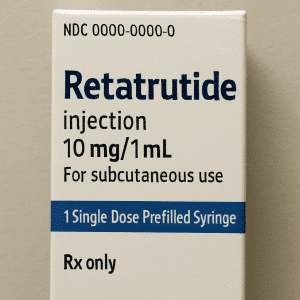
Retatrutide is an investigational triple-agonist (GIP/GLP-1/glucagon receptor agonist) currently in Phase 3 clinical trials. Early Phase 2 data showed remarkable weight loss of up to 24% at 48 weeks, potentially exceeding both this GLP-1 agonist and tirzepatide. However, retatrutide is not yet FDA-approved and its long-term safety profile is unknown. The comparison of retatrutide vs semaglutide will become more meaningful once Phase 3 trial results are available, expected in 2025–2026.
Semaglutide Before and After: Realistic Timeline
Understanding the semaglutide before and after timeline helps set realistic expectations for treatment outcomes. Weight loss and metabolic improvements follow a predictable pattern that correlates with the dose titration schedule.
Initial appetite reduction begins. Most patients notice decreased hunger and earlier satiety. Weight loss is minimal (0–2 lbs) as this is the lowest titration dose. Gastrointestinal side effects may begin, particularly mild nausea.
Appetite suppression becomes more noticeable. Weight loss typically begins in earnest, with most patients losing 2–5% of body weight. Blood sugar improvements are measurable in diabetic patients. GI side effects may temporarily increase with the dose change.
Significant weight loss becomes visible. Most patients have lost 5–10% of body weight. Energy levels often improve as metabolic health improves. Clothing fits differently. Blood pressure and lipid improvements may be measurable.
Full therapeutic dose reached. Weight loss accelerates. Most patients have lost 10–15% of body weight. HbA1c reductions of 1.0–1.5% are typical. Physical activity becomes easier. Many patients report improved mood and confidence.
Weight loss continues but at a slower rate. Maximum weight loss (15–17%) is typically achieved by weeks 60–68. Metabolic improvements stabilize. Long-term cardiovascular benefits accumulate. Body composition continues to improve with exercise.
Weight loss plateaus and maintenance phase begins. Continued treatment is necessary to maintain results. STEP 5 trial confirmed sustained weight loss at 104 weeks with ongoing treatment. Lifestyle modifications become increasingly important for long-term success.
The semaglutide before and after 1 month experience varies significantly between individuals. Factors that influence the rate and magnitude of results include starting BMI, adherence to the dosing schedule, dietary habits, physical activity level, metabolic rate, and concurrent medications. Patients should not compare their results to others, as individual responses can vary widely.
Semaglutide Diet and Lifestyle Optimization
Optimizing your semaglutide diet and lifestyle habits can significantly enhance treatment outcomes and minimize side effects. While this injectable is effective on its own, combining it with evidence-based dietary and exercise strategies produces superior results and helps preserve lean muscle mass during weight loss.
What to Eat on Semaglutide
A semaglutide diet should prioritize nutrient-dense foods that support metabolic health while minimizing foods that worsen gastrointestinal side effects. Focus on lean proteins (chicken, fish, eggs, Greek yogurt, legumes) to preserve muscle mass, aiming for 1.0–1.2 grams of protein per kilogram of body weight daily. Include non-starchy vegetables (leafy greens, broccoli, peppers, tomatoes) for fiber and micronutrients. Choose whole grains (quinoa, brown rice, oats) over refined carbohydrates. Incorporate healthy fats (avocado, olive oil, nuts, fatty fish) in moderate amounts. Stay well-hydrated with at least 64 ounces of water daily, as dehydration can worsen side effects.
Foods to Avoid on Semaglutide
Certain foods can exacerbate the agent’s gastrointestinal side effects and should be limited or avoided. High-fat, greasy foods (fried foods, fast food, heavy cream sauces) significantly worsen nausea. Sugary beverages and desserts counteract the metabolic benefits. Large meals overwhelm the slowed gastric emptying, causing discomfort. Alcohol can worsen nausea, increase hypoglycemia risk, and add empty calories. Highly processed foods with artificial additives may increase GI distress.
Best Time of Day to Take Semaglutide
For injectable semaglutide (Ozempic and Wegovy), there is no specific best time of day to take this treatment for weight loss, as it can be administered at any time regardless of meals. However, many patients find it helpful to inject in the evening or before bed, as this allows them to sleep through the initial hours when nausea is most likely to occur. The most important factor is consistency: choose a day and approximate time that works for your schedule and stick with it each week.
Safety, Contraindications, and Drug Interactions
Semaglutide has a well-established safety profile based on extensive clinical trial data and post-marketing surveillance. However, like all medications, it has specific contraindications and potential drug interactions that must be considered before and during treatment.
Absolute Contraindications
This therapy is contraindicated in patients with a personal or family history of medullary thyroid carcinoma (MTC) or Multiple Endocrine Neoplasia syndrome type 2 (MEN 2). This boxed warning is based on animal studies showing that GLP-1 receptor agonists caused thyroid C-cell tumors in rodents at clinically relevant exposures. While this risk has not been confirmed in humans, the contraindication remains as a precautionary measure. The medication is also contraindicated in patients with a known hypersensitivity to this GLP-1 receptor agonist or any of its excipients.
Drug Interactions
Because the drug slows gastric emptying, it can affect the absorption of concomitantly administered oral medications. Medications with narrow therapeutic windows that depend on consistent absorption (such as warfarin, levothyroxine, and oral contraceptives) should be monitored closely when initiating or adjusting this medication doses. Patients taking insulin or sulfonylureas may need dose reductions to avoid hypoglycemia when adding the peptide. The interaction with oral contraceptives is particularly important: while this GLP-1 agonist does not reduce contraceptive efficacy, delayed absorption may alter the timing of peak drug levels.
Special Populations
Semaglutide is not recommended during pregnancy or breastfeeding due to insufficient safety data. Women of childbearing potential should use effective contraception during treatment and for at least two months after discontinuation. The compound should be used with caution in patients with a history of pancreatitis, severe gastrointestinal disease (including gastroparesis), or severe renal impairment. Patients with diabetic retinopathy should be monitored closely, as rapid improvements in glycemic control can temporarily worsen retinopathy.
Who Should Consider Semaglutide?
This injectable may be appropriate for several patient populations, each with specific clinical criteria and considerations. Understanding who is a good candidate helps ensure appropriate use and optimal outcomes.
You may be a candidate for semaglutide if you have type 2 diabetes that is not adequately controlled with metformin alone or other first-line therapies. You may also qualify if you have a BMI of 30 or greater (obesity) or a BMI of 27 or greater (overweight) with at least one weight-related comorbidity such as hypertension, dyslipidemia, type 2 diabetes, or obstructive sleep apnea. Patients with established cardiovascular disease and overweight or obesity may benefit from the agent’s proven cardiovascular risk reduction. Individuals who have tried lifestyle modifications (diet and exercise) without achieving adequate weight loss or glycemic control are also strong candidates.
This treatment may not be appropriate if you have a personal or family history of medullary thyroid carcinoma or MEN 2, a history of pancreatitis, severe gastrointestinal disease or gastroparesis, are pregnant or planning to become pregnant, or have type 1 diabetes (this therapy is not a substitute for insulin in type 1 diabetes). Always consult a qualified healthcare provider to determine if the medication is appropriate for your individual situation.
Frequently Asked Questions About Semaglutide
How long does it take for semaglutide to work?
Most people begin noticing appetite suppression within the first one to two weeks of starting this GLP-1 receptor agonist. Measurable weight loss typically becomes apparent by weeks four to eight, with significant results accumulating over 12 to 16 weeks. Blood sugar improvements in type 2 diabetes patients often occur within the first two to four weeks of treatment. Maximum weight loss is typically achieved by weeks 60 to 68 of continuous treatment at the full maintenance dose.
How long do semaglutide side effects last?
Most semaglutide side effects, particularly nausea, vomiting, and diarrhea, are most pronounced during the first four to eight weeks of treatment and during dose escalation periods. These gastrointestinal side effects typically diminish significantly as the body adjusts to the medication. The gradual titration schedule is specifically designed to minimize side effect severity and duration. If side effects persist beyond 8–12 weeks or are severe, consult your healthcare provider about adjusting the dose or titration speed.
Does semaglutide make you tired?
Semaglutide-related fatigue is reported by approximately 11% of users, particularly during the initial weeks of treatment and dose escalation phases. This tiredness is often related to reduced caloric intake and metabolic adjustment rather than a direct pharmacological effect of the medication. Ensuring adequate protein intake (at least 60–80 grams daily), staying well-hydrated, getting sufficient sleep, and following the gradual dose titration schedule can help minimize fatigue. If tiredness is persistent or severe, consult your healthcare provider.
How long does it take for semaglutide to suppress appetite?
Semaglutide typically begins suppressing appetite within the first one to two weeks of treatment, even at the lowest starting dose of 0.25 mg. The appetite-reducing effects strengthen progressively as the dose is gradually increased during the titration period. Most patients report significant and sustained appetite reduction by the time they reach the maintenance dose, usually around week 16 to 20 of the Wegovy titration schedule.
Why am I not losing weight on semaglutide?
Several factors can affect weight loss on this medication. You may still be in the titration phase and have not yet reached the full therapeutic dose. Dietary habits may be offsetting the caloric deficit created by reduced appetite. Lack of physical activity limits total energy expenditure. Underlying medical conditions such as hypothyroidism or polycystic ovary syndrome can impair weight loss. Certain medications (antidepressants, corticosteroids, beta-blockers) can promote weight gain. Individual metabolic variation means some people respond more slowly. Consult your healthcare provider to evaluate your specific situation and adjust your treatment plan accordingly.
How long does semaglutide stay in your system?
The peptide has a half-life of approximately seven days, which is why it is administered as a once-weekly injection. After discontinuation, it takes approximately five to seven weeks (five half-lives) for this GLP-1 agonist to be fully eliminated from the body. During this washout period, the effects on appetite and blood sugar gradually diminish. This long half-life is also why side effects may persist for several weeks after stopping the medication.
Does semaglutide need to be refrigerated?
Unopened semaglutide pens (Ozempic and Wegovy) should be stored in the refrigerator at 36°F to 46°F (2°C to 8°C). Once in use, Ozempic pens can be kept at room temperature (59°F to 86°F) or refrigerated for up to 56 days. Wegovy pens in use should be refrigerated or kept at room temperature for up to 28 days. Compounded semaglutide typically requires refrigeration at all times. Never freeze semaglutide, and protect it from direct sunlight and extreme heat.
What is the difference between semaglutide and tirzepatide?
Semaglutide is a GLP-1 receptor agonist that targets one incretin pathway, while tirzepatide is a dual GIP/GLP-1 receptor agonist that targets two incretin pathways simultaneously. Clinical trials suggest tirzepatide may produce slightly greater weight loss (up to 22.5% vs 15–17% for semaglutide) and HbA1c reduction. However, semaglutide has longer real-world safety data (7+ years), proven cardiovascular outcomes from the SELECT trial, an available oral formulation (Rybelsus), and broader insurance coverage.
Can you drink alcohol on semaglutide?
While there is no absolute contraindication to drinking alcohol on this treatment, caution is strongly advised. Alcohol can worsen gastrointestinal side effects like nausea and vomiting, lower blood sugar levels (increasing hypoglycemia risk, especially in diabetic patients taking insulin or sulfonylureas), add empty calories that counteract weight loss goals, and impair judgment about food choices. Most healthcare providers recommend limiting alcohol consumption to occasional, moderate amounts during semaglutide treatment.
What should you eat on semaglutide?
A semaglutide diet should prioritize lean proteins (chicken, fish, eggs, legumes) to preserve muscle mass, non-starchy vegetables for fiber and micronutrients, whole grains over refined carbohydrates, and healthy fats in moderate amounts. Eat smaller, more frequent meals to reduce nausea. Avoid high-fat, greasy, and heavily processed foods that can worsen gastrointestinal side effects. Stay well-hydrated with water and aim for at least 60 to 80 grams of protein daily to preserve lean muscle mass during weight loss.
How long do you stay on semaglutide for weight loss?
Semaglutide for weight loss is typically prescribed as a long-term or indefinite treatment. Clinical studies, including the STEP 1 extension trial, show that most patients regain a significant portion of lost weight (approximately two-thirds) within one year of discontinuation. Many healthcare providers recommend ongoing maintenance therapy at the lowest effective dose, combined with sustained lifestyle modifications including regular exercise and a balanced diet, to maintain weight loss results long-term.
Does semaglutide cause headaches?
Headaches are a reported side effect of this GLP-1 receptor agonist, occurring in approximately 14% of patients in clinical trials. These headaches are most common during the initial weeks of treatment and during dose escalation periods. They are often related to changes in blood sugar levels, dehydration from reduced fluid intake, or the body adjusting to lower caloric intake. Staying well-hydrated, eating regular small meals, and following the gradual titration schedule can help minimize headache occurrence.
⚕️ Medical Disclaimer: This article is for informational and educational purposes only. The information provided is not intended to diagnose, treat, cure, or prevent any disease or health condition. This medication is a prescription medication that should only be used under the supervision of a licensed healthcare provider. Always consult a qualified healthcare professional before starting, stopping, or changing any medication or treatment regimen. Individual results may vary. The clinical trial data cited in this article represents average outcomes and may not reflect individual experiences.
Key Takeaways
- Semaglutide is an FDA-approved GLP-1 receptor agonist available as Ozempic (diabetes), Wegovy (weight loss), and Rybelsus (oral) that works by mimicking the incretin hormone GLP-1
- Clinical trials demonstrate average weight loss of 15–17% of body weight with semaglutide 2.4 mg (Wegovy), with 50% of participants losing 15% or more in the STEP 1 trial
- The SELECT trial proved a 20% reduction in major cardiovascular events, making Wegovy the first weight loss medication with proven cardiovascular benefit
- This GLP-1 agonist dosing follows a gradual titration schedule over 16–20 weeks to minimize gastrointestinal side effects, starting at 0.25 mg and increasing to the maintenance dose
- Common side effects include nausea (40–44%), diarrhea (30%), vomiting (24%), and constipation (24%), which typically improve within 4–8 weeks
- Semaglutide vs tirzepatide: tirzepatide may produce greater weight loss (20–22.5% vs 15–17%), but the compound has longer safety data, proven CV outcomes, and an oral formulation
- This injectable is contraindicated in patients with personal or family history of medullary thyroid carcinoma or MEN 2 syndrome
- A semaglutide diet emphasizing lean protein, vegetables, and adequate hydration optimizes results and minimizes side effects
- Weight loss is typically sustained with continued treatment but most patients regain weight after discontinuation, supporting long-term use
- Always consult a qualified healthcare provider before starting the agent to determine if it is appropriate for your individual health situation
PrymaLab offers pharma-grade peptides for research purposes, including GLP-1 analogs, BPC-157, TB-500, and more. All products are third-party tested for purity and potency.
Browse Peptide Products →References & Sources
- Wilding, J.P.H., et al. (2021). “Once-Weekly Semaglutide in Adults with Overweight or Obesity.” New England Journal of Medicine, 384(11), 989–1002. doi:10.1056/NEJMoa2032183
- Lincoff, A.M., et al. (2023). “This treatment and Cardiovascular Outcomes in Obesity without Diabetes.” New England Journal of Medicine, 389(24), 2221–2232. doi:10.1056/NEJMoa2307563
- Marso, S.P., et al. (2016). “This therapy and Cardiovascular Outcomes in Patients with Type 2 Diabetes.” New England Journal of Medicine, 375(19), 1834–1844. doi:10.1056/NEJMoa1607141
- Rubino, D., et al. (2021). “Effect of Continued Weekly Subcutaneous Semaglutide vs Placebo on Weight Loss Maintenance.” JAMA, 325(14), 1414–1425. doi:10.1001/jama.2021.3224
- Davies, M., et al. (2021). “The medication 2.4 mg Once a Week in Adults with Overweight or Obesity, and Type 2 Diabetes (STEP 2).” The Lancet, 397(10278), 971–984. doi:10.1016/S0140-6736(21)00213-0
- Wadden, T.A., et al. (2021). “Effect of Subcutaneous Semaglutide vs Placebo as an Adjunct to Intensive Behavioral Therapy (STEP 3).” JAMA, 325(14), 1403–1413. doi:10.1001/jama.2021.1831
- Garvey, W.T., et al. (2022). “Two-Year Effects of This GLP-1 receptor agonist in Adults with Overweight or Obesity (STEP 5).” Nature Medicine, 28, 2083–2091. doi:10.1038/s41591-022-02026-4
- Jastreboff, A.M., et al. (2024). “Triple-Hormone-Receptor Agonist Retatrutide for Obesity.” New England Journal of Medicine, 389(6), 514–526. doi:10.1056/NEJMoa2301972
- Aroda, V.R., et al. (2019). “PIONEER 1: Randomized Clinical Trial of the Efficacy and Safety of Oral Semaglutide.” Diabetes Care, 42(9), 1724–1732. doi:10.2337/dc19-0749
- U.S. Food and Drug Administration. (2024). “FDA Approves New Indication for Chronic Weight Management Drug.” fda.gov
- American Diabetes Association. (2024). “Standards of Care in Diabetes — 2024.” Diabetes Care, 47(Supplement 1). doi:10.2337/dc24-SINT
- Novo Nordisk. (2024). “Wegovy (semaglutide) Prescribing Information.” novo-pi.com

Michael Phelps
Marketing Director & Peptide Research Specialist at PrymaLab
Michael is an Air Force veteran with a specialized background in biochemistry and over 10 years of experience in the biotech industry. He applies military-grade precision to research standards and quality control, bridging the gap between complex scientific studies and practical application. Michael provides accurate, science-backed information on peptide protocols, metabolic health, and regenerative medicine.




-10MG-New-300x300.png)