NAD+ Peptide Benefits: Research, Injections, and Therapy

NAD+ peptide benefits span cellular energy production, DNA repair, cognitive enhancement, anti-aging, and metabolic optimization — making NAD+ one of the most researched molecules in longevity science. NAD+ (nicotinamide adenine dinucleotide) is a critical coenzyme found in every living cell, and its levels decline by up to 50% between the ages of 40 and 60, directly contributing to age-related health deterioration. NAD injections, IV therapy, and oral supplementation aim to restore these declining levels, with emerging research demonstrating significant benefits for energy metabolism, neuroprotection, skin health, and even addiction recovery. This comprehensive guide examines the full spectrum of nad peptide benefits, reviews the latest nad peptide research, compares delivery methods including nad+ injections, IV drips, patches, and oral supplements, and provides evidence-based dosage protocols to help you make informed decisions about NAD+ therapy. Whether you are exploring nad injections benefits for the first time or comparing nad shots benefits with oral alternatives, this article covers everything you need to know about NAD treatment options.
This evidence-based article explains the science behind NAD+ peptides, their role in anti-aging and cellular health, and how to use them safely. All claims are supported by peer-reviewed research cited in the references section below. This content is for educational purposes only and does not constitute medical advice.
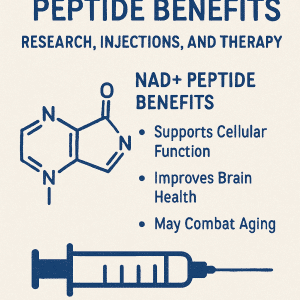
NAD+ Peptide Benefits: At a Glance
In this evidence-based guide, you will learn:
- What NAD+ is and why it's essential for every cell in your body
- Is NAD+ a peptide? — the classification debate explained
- The top NAD+ peptide benefits — energy, DNA repair, cognition, anti-aging, metabolism
- NAD injection protocols — subcutaneous vs intramuscular vs IV therapy dosage charts
- NAD injections vs pills vs patches — bioavailability comparison table
- NAD+ benefits for women — hormones, fertility, skin, and menopause support
- NAD+ and weight loss — what the research actually shows
- Side effects and safety — who should and shouldn't use NAD+ therapy
- NAD+ injections before and after — realistic timelines and expectations
What Is NAD+? Understanding the Coenzyme Behind Cellular Health
NAD+ stands for nicotinamide adenine dinucleotide, a coenzyme present in every living cell of the human body. It plays an indispensable role in over 500 enzymatic reactions, making it one of the most important molecules for sustaining life. At its core, NAD+ functions as an electron carrier in metabolic processes, shuttling electrons between molecules during the chemical reactions that convert food into cellular energy in the form of adenosine triphosphate (ATP). Without adequate NAD+ levels, cells cannot produce the energy they need to function, repair themselves, or communicate with neighboring cells.
The molecule exists in two primary forms: NAD+ (the oxidized form) and NADH (the reduced form). During cellular respiration, NAD+ accepts electrons from nutrients during glycolysis and the citric acid cycle, becoming NADH. This NADH then donates those electrons to the electron transport chain in mitochondria, driving ATP production. This continuous cycling between NAD+ and NADH is fundamental to energy metabolism, and any disruption in this balance can lead to fatigue, cognitive decline, and accelerated aging.
Beyond energy production, NAD+ serves as a critical substrate for three major enzyme families that regulate cellular health and longevity. Sirtuins (SIRT1–SIRT7) are NAD+-dependent deacetylases that regulate gene expression, DNA repair, inflammation, and metabolic function — they are often called the "longevity genes" because of their role in extending lifespan in animal models. PARPs (poly ADP-ribose polymerases) consume NAD+ to repair damaged DNA, protecting cells from mutations that could lead to cancer. CD38 is an NAD+-consuming enzyme involved in immune cell signaling and calcium regulation. As we age, CD38 activity increases dramatically, consuming more NAD+ and contributing to the age-related decline in NAD+ levels that affects virtually every organ system.
NAD+ (Nicotinamide Adenine Dinucleotide) is a coenzyme found in all living cells that is essential for energy metabolism, DNA repair, gene expression regulation, and cellular signaling. NAD+ levels decline by approximately 50% between ages 40 and 60, directly contributing to age-related health deterioration.
Why NAD+ Levels Decline With Age
One of the most significant discoveries in aging research is that NAD+ levels decline substantially as we age. Studies published in Cell Metabolism have demonstrated that by age 60, most individuals have approximately half the NAD+ levels they had at age 20. This decline is driven by multiple factors: increased activity of CD38 (which consumes NAD+ at accelerating rates with age), chronic low-grade inflammation that depletes NAD+ stores, reduced activity of NAMPT (the rate-limiting enzyme in NAD+ biosynthesis), and accumulated DNA damage that forces PARPs to consume more NAD+ for repair. The consequences of this decline are far-reaching — reduced energy production, impaired DNA repair, decreased sirtuin activity, increased inflammation, and compromised cellular communication all contribute to the visible and invisible signs of aging. Understanding this decline is essential for anyone researching what is NAD injections and why restoring NAD+ levels has become a cornerstone of modern longevity medicine.
NAD+ Biosynthesis Pathways
The body produces NAD+ through three primary biosynthesis pathways. The salvage pathway is the most important for maintaining NAD+ levels, recycling nicotinamide (a form of vitamin B3) back into NAD+ through the enzyme NAMPT. The Preiss-Handler pathway converts nicotinic acid (niacin) into NAD+ through a series of enzymatic steps. The de novo pathway synthesizes NAD+ from the amino acid tryptophan, though this is the least efficient route. Understanding these pathways is crucial because different NAD+ precursors — such as NMN (nicotinamide mononucleotide) and NR (nicotinamide riboside) — enter the biosynthesis process at different points, which affects their efficiency in raising NAD+ levels.
Is NAD+ a Peptide? Classification Explained
A common question in the wellness community is whether NAD+ is a peptide, and the answer requires some nuance. Technically, NAD+ is not a peptide. A peptide is a short chain of amino acids (typically 2–50) linked by peptide bonds, while NAD+ is a dinucleotide coenzyme composed of two nucleotides — nicotinamide mononucleotide (NMN) and adenosine monophosphate (AMP) — joined through phosphate groups. Its molecular structure is fundamentally different from peptides like BPC-157, GHK-Cu, or thymosin alpha-1.
However, the term "NAD peptide" has become widely adopted in the health optimization and anti-aging community for several practical reasons. NAD+ is frequently administered alongside peptide therapies in clinical settings, shares similar delivery methods (subcutaneous injections, IV infusions), targets overlapping biological pathways related to aging and cellular repair, and is sold through the same compounding pharmacies and wellness clinics that provide peptide therapies. For these reasons, NAD+ peptides and NAD peptides have become convenient umbrella terms, even though they are not scientifically precise. The question "is NAD a peptide" comes up frequently, and the short answer is no — but the association persists because of shared clinical contexts. Throughout this article, we use the term "NAD+ peptide" in alignment with common usage while acknowledging this important distinction.
Table 1: NAD+ vs. True Peptides — Structural Comparison
| Feature | NAD+ (Dinucleotide) | True Peptides (e.g., BPC-157) |
|---|---|---|
| Chemical Structure | Two nucleotides linked by phosphate groups | Amino acid chains linked by peptide bonds |
| Molecular Weight | 663.4 Da | Varies (500–5,000+ Da) |
| Primary Function | Electron carrier, enzyme substrate | Cell signaling, tissue repair |
| Delivery Methods | IV, injection, oral, patches, nasal spray | Injection, oral, topical |
| Key Targets | Sirtuins, PARPs, CD38 | Growth factor receptors, immune cells |
| Common Clinical Use | Anti-aging, energy, neuroprotection | Tissue repair, immune modulation |
NAD+ Peptide Benefits: The Complete Breakdown
The benefits of NAD peptide therapy are extensive and supported by a growing body of preclinical and clinical research. NAD+ influences virtually every major biological system through its role as a substrate for sirtuins, PARPs, and other NAD+-consuming enzymes. Below, we examine each category of NAD+ peptide benefits in detail, with references to the supporting research.
Cellular Energy Production and ATP Synthesis
The most immediate and widely reported benefit of NAD+ supplementation is a significant boost in cellular energy. NAD+ is absolutely essential for mitochondrial function — it serves as the primary electron carrier in the electron transport chain, the process by which mitochondria produce ATP (the body's energy currency). When NAD+ levels are restored through NAD injections or supplementation, mitochondria can operate more efficiently, producing more ATP per unit of fuel. Clinical observations consistently report that patients receiving NAD+ therapy experience reduced fatigue, improved physical endurance, and enhanced mental energy within the first few sessions. This is particularly beneficial for individuals experiencing chronic fatigue, burnout, or age-related energy decline. Many practitioners consider this energy boost one of the most reliable NAD+ injections benefits and a primary reason patients seek NAD shot benefits through clinical programs.
DNA Repair and Genomic Stability
NAD+ is the essential fuel for PARP enzymes, which are the body's primary DNA repair machinery. Every day, each cell in your body sustains approximately 10,000 to 100,000 DNA lesions from oxidative stress, UV radiation, environmental toxins, and normal metabolic byproducts. PARPs detect these breaks and use NAD+ to build poly(ADP-ribose) chains that recruit repair proteins to the damage site. When NAD+ levels are low, PARP activity is compromised, leading to accumulated DNA damage, increased mutation rates, and elevated cancer risk. Restoring NAD+ levels through NAD+ peptide therapy supports robust DNA repair, helping maintain genomic stability and reducing the risk of age-related diseases.
Cognitive Enhancement and Neuroprotection
The brain is one of the most metabolically active organs, consuming approximately 20% of the body's total energy despite representing only 2% of body weight. This makes neurons particularly vulnerable to NAD+ depletion. Research published in Nature Neuroscience has shown that NAD+ supplementation activates SIRT1 and SIRT3 in brain tissue, promoting neuronal survival, reducing neuroinflammation, and enhancing synaptic plasticity — the mechanism underlying learning and memory. Animal studies have demonstrated that boosting NAD+ levels can protect against neurodegeneration in models of Alzheimer's disease, Parkinson's disease, and traumatic brain injury. Clinically, patients receiving NAD+ injections frequently report improved mental clarity, sharper focus, better memory recall, and reduced brain fog.
Anti-Aging and Longevity
NAD+ has emerged as one of the most promising molecules in longevity research, primarily through its activation of sirtuins. SIRT1, often called the "longevity gene," regulates cellular stress responses, inflammation, and metabolic efficiency. SIRT6 plays a critical role in telomere maintenance — the protective caps on chromosomes that shorten with each cell division and are closely associated with biological aging. Studies in animal models have consistently shown that boosting NAD+ levels extends lifespan and healthspan. A landmark 2016 study in Science demonstrated that NAD+ repletion in aged mice reversed age-related muscle deterioration and restored mitochondrial function to levels comparable to young mice. While human longevity trials are still ongoing, the mechanistic evidence strongly supports NAD+ as a key factor in healthy aging.
Metabolic Function and Insulin Sensitivity
NAD+ plays a central role in metabolic regulation through its activation of SIRT1 and AMPK (AMP-activated protein kinase), two master regulators of metabolism. SIRT1 activation improves insulin sensitivity, enhances fatty acid oxidation, and reduces hepatic glucose production. Research in Cell Metabolism has shown that NAD+ precursor supplementation in obese mice improved glucose tolerance, reduced liver fat, and enhanced metabolic flexibility. Human studies with NMN supplementation have demonstrated improved muscle insulin sensitivity in prediabetic women. These findings suggest that NAD+ therapy may offer meaningful benefits for metabolic health, particularly for individuals with insulin resistance, type 2 diabetes risk factors, or metabolic syndrome.
Cardiovascular Health
The cardiovascular system is highly dependent on NAD+ for proper function. NAD+ supports endothelial function (the health of blood vessel linings), regulates blood pressure through SIRT1-mediated pathways, and protects against oxidative damage to cardiac tissue. Research has shown that NAD+ depletion contributes to age-related vascular stiffness, hypertension, and heart failure. Animal studies demonstrate that NAD+ repletion can reverse age-related arterial dysfunction, reduce cardiac hypertrophy, and improve blood flow. The nad injection benefits for cardiovascular health are particularly relevant for aging populations, where heart disease remains the leading cause of death.
Addiction Recovery and Mental Health
One of the most compelling clinical applications of NAD+ therapy is in addiction recovery. Substance abuse — particularly alcohol, opioids, and stimulants — severely depletes brain NAD+ levels, contributing to the neurological dysfunction that drives cravings, withdrawal symptoms, and relapse. NAD+ IV therapy has been used in addiction medicine since the 1960s, with clinics reporting that high-dose NAD+ infusions can significantly reduce withdrawal symptoms, decrease cravings, and improve mood and cognitive function during early recovery. While large-scale randomized controlled trials are still needed, the clinical evidence and patient outcomes have been sufficiently promising to establish NAD+ therapy as a recognized complementary treatment in many addiction recovery programs.
Immune Function and Inflammation
NAD+ modulates immune function through multiple pathways. SIRT1 and SIRT6 suppress NF-κB, a master regulator of inflammatory gene expression, helping to control chronic low-grade inflammation (often called "inflammaging") that drives many age-related diseases. NAD+ also regulates the activity of CD38 on immune cells, influencing immune cell activation and inflammatory responses. Research suggests that maintaining optimal NAD+ levels supports balanced immune function — neither overactive (which drives autoimmunity and chronic inflammation) nor underactive (which increases infection susceptibility). This immune-modulating effect is one of the key benefits of NAD that extends across multiple health domains. When evaluating the best NAD+ injections protocols, immune support is increasingly recognized as a core benefit alongside energy and cognitive enhancement.
A 2020 study published in Nature Metabolism found that NAD+ repletion in aged mice restored immune cell function to levels comparable to young mice, suggesting that NAD+ therapy may help reverse age-related immune decline (immunosenescence). Human clinical trials investigating this effect are currently underway at multiple research institutions.
NAD Injections: How They Work, Dosage, and Protocols
NAD injections are the most popular clinical delivery method for NAD+ therapy, offering superior bioavailability compared to oral supplements. When NAD+ is injected subcutaneously or intramuscularly, it bypasses the digestive system entirely, allowing the molecule to enter the bloodstream directly with an estimated bioavailability of 90–100%. This is a critical advantage because oral NAD+ is largely degraded by digestive enzymes before it can be absorbed, resulting in bioavailability as low as 5–20%.
Subcutaneous NAD+ Injections
NAD subcutaneous injection is the most common at-home administration method. The injection is delivered into the fatty tissue just beneath the skin, typically in the abdomen (2 inches from the navel), outer thigh, or back of the upper arm. Subcutaneous delivery provides slower, more sustained absorption compared to intramuscular injection, resulting in a gradual release of NAD+ into the bloodstream over several hours. The recommended NAD+ subcutaneous injection dose typically ranges from 50 mg to 200 mg per injection, depending on the NAD+ injection protocol phase and individual response. The NAD+ subcutaneous injection benefits include ease of at-home administration, sustained release absorption, and lower discomfort compared to intramuscular delivery. Most practitioners recommend rotating injection sites to prevent tissue irritation and ensure consistent absorption. Understanding where to inject NAD+ properly is essential for maximizing these benefits.
Intramuscular NAD+ Injections
Intramuscular (IM) NAD+ injections deliver the molecule directly into muscle tissue, which has a richer blood supply than subcutaneous fat. This results in faster absorption and higher peak blood levels compared to subcutaneous delivery. The deltoid (upper arm) and gluteal (buttock) muscles are the preferred nad injection site locations for IM administration. The NAD+ IM injection dose and overall NAD+ injection dose typically ranges from 100 mg to 250 mg, with some protocols using higher doses for specific therapeutic goals. The choice between NAD+ subcutaneous vs intramuscular delivery depends on your comfort level, desired absorption speed, and whether you plan to self-administer at home. NAD IM injection protocols are generally administered in clinical settings, though some patients receive training for at-home administration. Learning how to inject NAD+ properly under professional guidance is critical regardless of the route chosen.
How to Inject NAD+: Step-by-Step Protocol
For those who have been prescribed self-administered NAD+ injections, following proper technique is essential for safety and efficacy. Below is the standard protocol recommended by most practitioners:
- Prepare your supplies: Gather your NAD+ vial, insulin syringe (typically 29–31 gauge), alcohol swabs, and a sharps disposal container. Ensure the NAD+ solution has reached room temperature.
- Draw the prescribed dose: Clean the vial top with an alcohol swab. Draw air equal to your dose volume, inject it into the vial, then invert and draw the prescribed amount of NAD+ solution.
- Select and clean the injection site: Choose your injection site (abdomen, thigh, or upper arm for subcutaneous; deltoid or gluteal for intramuscular). Clean the area with an alcohol swab and allow it to dry completely.
- Administer the injection: For subcutaneous: pinch the skin, insert the needle at a 45-degree angle, and inject slowly over 10–15 seconds. For intramuscular: insert the needle at a 90-degree angle directly into the muscle.
- Post-injection care: Remove the needle, apply gentle pressure with a clean cotton ball, and dispose of the syringe in your sharps container. Note the injection site in your log to ensure proper rotation.
NAD+ injections should only be self-administered after receiving proper training from a qualified healthcare provider. Never share needles or syringes. If you experience severe pain, swelling, or signs of infection at the injection site, contact your healthcare provider immediately. NAD+ injections may cause a temporary stinging or burning sensation — this is normal and typically subsides within minutes.
NAD+ Injection Dosage Chart: Complete Protocol Guide
One of the most searched topics in NAD+ therapy is the proper NAD+ injection dosage chart. Dosing protocols vary based on the delivery method, therapeutic goal, and individual patient factors. The following chart represents commonly used protocols based on clinical practice guidelines and published research. Always consult with your healthcare provider before starting any NAD+ protocol, as individual NAD dosage per day requirements may vary. The NAD+ injection dosage per day and NAD+ injection dosage per week should be tailored to your specific health goals and response to treatment.
Table 2: NAD+ Injection Dosage Chart — By Delivery Method and Phase
| Protocol Phase | Subcutaneous Injection | Intramuscular Injection | IV Infusion (NAD Drip) |
|---|---|---|---|
| Loading Phase (Weeks 1–4) | 100–200 mg, 3× per week | 150–250 mg, 2–3× per week | 250–500 mg, 2–4 sessions total |
| Maintenance Phase | 50–100 mg, 1–2× per week | 100–200 mg, 1× per week | 250–500 mg, monthly |
| Intensive Therapy (Addiction/Neuro) | 200 mg daily for 10 days | 250 mg daily for 7–10 days | 500–1000 mg daily for 7–14 days |
| Anti-Aging Optimization | 100 mg, 2× per week | 150 mg, 1–2× per week | 250–500 mg, biweekly |
| Athletic Performance | 100–150 mg, 2–3× per week | 200 mg, 2× per week | 500 mg, weekly during training |
Table 3: NAD+ Dosage Per Day and Per Week — Quick Reference
| Dosage Parameter | Low Dose | Standard Dose | High Dose (Clinical) |
|---|---|---|---|
| NAD+ Dosage Per Day (Injection) | 50 mg | 100–200 mg | 250–500 mg |
| NAD+ Dosage Per Week (Injection) | 50–100 mg | 200–400 mg | 500–1,500 mg |
| NAD+ Dosage Per Day (Oral NMN) | 250 mg | 500 mg | 1,000 mg |
| NAD+ Dosage Per Week (IV Drip) | 250 mg (single session) | 500 mg (single session) | 750–1,000 mg (single session) |
The NAD+ injection dosage per day and NAD+ injection dosage per week should be determined by a qualified healthcare provider based on your age, health status, therapeutic goals, and response to treatment. The dosages listed above represent commonly used ranges in clinical practice and should not be interpreted as universal recommendations. Some practitioners also recommend combining NAD+ with resveratrol (a sirtuin activator) to enhance the therapeutic effects — a protocol known as the NAD and resveratrol stack.
NAD Injections vs Pills vs IV Therapy vs Patches: Complete Comparison
Choosing the right NAD+ delivery method is one of the most important decisions in optimizing your therapy outcomes. Each method offers distinct advantages in terms of bioavailability, convenience, cost, and speed of onset. The question of NAD injections vs pills is among the most frequently asked, and the answer depends on your specific goals, budget, and lifestyle. Below is a comprehensive comparison of all major delivery methods, including NAD IV therapy, NAD patches, liposomal NAD+, and NAD+ nasal spray.
Table 4: NAD+ Delivery Methods — Complete Bioavailability Comparison
| Delivery Method | Bioavailability | Onset Time | Convenience | Cost (Monthly) | Best For |
|---|---|---|---|---|---|
| IV NAD Drip | ~100% | Immediate | Low (clinic visits) | $500–$1,500 | Intensive therapy, addiction recovery |
| IM Injection | 90–95% | 15–30 min | Moderate | $200–$600 | Clinical protocols, higher doses |
| Subcutaneous Injection | 85–95% | 30–60 min | Moderate (at-home) | $150–$500 | At-home maintenance, sustained release |
| NAD+ Nasal Spray | 40–60% | 15–30 min | High | $100–$300 | Cognitive focus, needle-free option |
| Liposomal NAD+ | 30–50% | 30–60 min | High | $80–$200 | Enhanced oral absorption |
| NAD Patches | 20–40% | 2–4 hours | Very High | $100–$250 | Sustained release, convenience |
| Oral NMN/NR Supplements | 40–60% (precursor) | 1–2 hours | Very High | $40–$150 | Daily maintenance, prevention |
| Oral NAD+ (Direct) | 5–20% | 1–3 hours | Very High | $30–$100 | Budget option, mild support |
Is Taking NAD Orally Effective?
The question of whether taking NAD orally is effective is nuanced. Direct oral NAD+ supplementation has limited efficacy because the NAD+ molecule is largely broken down by digestive enzymes (particularly CD38 and NADases in the gut lining) before it can reach the bloodstream. However, this does not mean oral supplementation is worthless. NAD+ precursors — specifically NMN (nicotinamide mononucleotide) and NR (nicotinamide riboside) — are designed to survive digestion and be converted into NAD+ inside cells. The NR vs NAD comparison is important here: NR is a precursor that the body converts into NAD+, not direct NAD+ itself, which affects both bioavailability and cost considerations. Multiple human clinical trials have confirmed that oral NMN supplementation at doses of 250–1,000 mg per day significantly raises blood NAD+ levels. Liposomal NAD+ formulations have also improved oral bioavailability by encapsulating NAD+ molecules in lipid vesicles that protect them during digestion. For individuals who prefer oral supplementation, NMN or liposomal NAD+ represent the most effective options, though they still cannot match the bioavailability of NAD injections or NAD IV therapy.
NAD+ Nasal Spray vs Injection
The NAD+ nasal spray vs injection comparison is increasingly relevant as nasal delivery gains popularity. NAD+ nasal sprays deliver the molecule through the nasal mucosa, which has a rich blood supply and direct access to the brain via the olfactory nerve pathway. This makes nasal delivery particularly interesting for cognitive benefits, as it may achieve higher brain concentrations than systemic injection. The NAD+ nasal spray benefits include needle-free administration, rapid onset (15–30 minutes), and potential for enhanced brain delivery. However, the total systemic bioavailability (40–60%) is lower than injection, and dosing precision can be less consistent. Nasal sprays are best suited as a complement to injection protocols rather than a standalone replacement.
NAD+ Peptide Research: What Science Says
The body of NAD peptide research has expanded dramatically over the past decade, with hundreds of studies published in peer-reviewed journals investigating NAD+'s role in aging, metabolism, neurodegeneration, and disease prevention. While much of the foundational research has been conducted in animal models, an increasing number of human clinical trials are providing evidence that supports the therapeutic potential of NAD+ supplementation.
Key Preclinical Findings
Animal studies have produced some of the most compelling evidence for NAD+ therapy. A landmark 2013 study by Sinclair and colleagues at Harvard Medical School demonstrated that one week of NMN treatment in aged mice reversed age-related mitochondrial dysfunction, restoring muscle tissue to a state resembling that of young mice. Subsequent research showed that NAD+ repletion in mouse models of Alzheimer's disease reduced amyloid-beta plaques, improved cognitive function, and decreased neuroinflammation. Studies in cardiac models have shown that NAD+ supplementation protects against heart failure and ischemia-reperfusion injury. Research on metabolic disease has demonstrated that NAD+ precursors improve insulin sensitivity, reduce liver fat, and enhance metabolic flexibility in obese mice.
Human Clinical Trials
Human research on NAD+ supplementation is still in relatively early stages but has produced encouraging results. A 2021 randomized controlled trial published in Science demonstrated that 250 mg of NMN daily for 10 weeks improved muscle insulin sensitivity and muscle remodeling in prediabetic postmenopausal women. A 2022 study in Nature Aging showed that NMN supplementation improved physical performance and reduced biological age markers in middle-aged adults. Multiple smaller clinical studies have reported improvements in energy levels, sleep quality, cognitive function, and exercise capacity with various forms of NAD+ supplementation. Large-scale, long-term human trials are currently underway at institutions including Harvard, Washington University, and the University of Tokyo.
NAD+ and Resveratrol: The Synergy Stack
The combination of NAD+ and resveratrol has garnered significant research interest. Resveratrol is a polyphenol found in red wine and grapes that activates SIRT1 — but SIRT1 requires NAD+ as a co-substrate to function. This means that resveratrol's effectiveness is directly dependent on available NAD+ levels. Research by Dr. David Sinclair's lab has shown that combining NAD+ precursors with resveratrol produces synergistic effects on sirtuin activation, mitochondrial function, and metabolic health that exceed either compound alone. Many longevity-focused practitioners now recommend the NAD and resveratrol stack as a foundational anti-aging protocol, often combined with regular NAD+ infusion sessions for maximum benefit.
NAD+ Benefits for Women: Hormones, Fertility, and Skin
While NAD+ benefits both sexes, there are several areas where NAD+ benefits for women are particularly noteworthy. Women face unique health challenges related to hormonal fluctuations, reproductive aging, bone density loss, and higher rates of autoimmune conditions — and NAD+ therapy may offer targeted support in each of these areas.
Hormonal Balance and Menopause Support
NAD+ influences hormonal health through sirtuin-mediated regulation of estrogen metabolism and hypothalamic-pituitary-ovarian (HPO) axis function. During perimenopause and menopause, declining estrogen levels coincide with declining NAD+ levels, creating a compounding effect on energy, mood, and metabolic health. Research suggests that NAD+ supplementation may help mitigate some menopausal symptoms by supporting mitochondrial function in hormone-producing cells, improving energy metabolism during a period of metabolic transition, and modulating inflammatory pathways that contribute to hot flashes and mood disturbances. The NAD+ benefits for women during menopause represent an active area of clinical investigation.
Fertility and Egg Quality
One of the most exciting areas of NAD+ research for women involves reproductive health. A 2020 study published in Cell Reports demonstrated that NMN supplementation in aged mice restored egg quality, improved ovulation rates, and increased fertility to levels comparable to younger mice. The mechanism involves NAD+-dependent restoration of mitochondrial function in oocytes (egg cells), which deteriorates with age and is a primary driver of declining fertility. While human fertility trials are still in progress, these findings have generated significant interest among reproductive endocrinologists and women seeking to optimize fertility.
Skin Health and Anti-Aging
NAD+ offers specific benefits for NAD skin health that are particularly relevant to women's skincare concerns. NAD+ supports collagen production through sirtuin-mediated activation of fibroblasts, protects against UV-induced DNA damage through enhanced PARP activity, reduces oxidative stress that drives photoaging and hyperpigmentation, and supports skin barrier function and hydration. The NAD+ benefits for skin before and after reports from clinical settings consistently describe improvements in skin texture, firmness, radiance, and reduction in fine lines after 4–8 weeks of consistent NAD therapy. NAD skin improvements are among the most visible benefits reported by women using NAD+ protocols. Some practitioners also report improvements in NAD hair growth, attributing this to enhanced follicular cell metabolism and improved blood flow to the scalp, though this area requires more formal research. These benefits are particularly relevant when considering NAD benefits for women who prioritize skin and hair health as part of their anti-aging strategy.
NAD+ and Weight Loss: What the Evidence Shows
The question "does NAD help with weight loss" is one of the most frequently searched topics related to NAD+ therapy. The relationship between NAD+ and body weight is complex and operates through multiple metabolic pathways. While NAD+ is not a magic weight loss pill, the evidence suggests it can meaningfully support weight management as part of a comprehensive approach.
NAD+ influences weight through several key mechanisms. First, NAD+ activates SIRT1, which promotes fatty acid oxidation (fat burning) in the liver and skeletal muscle. Second, NAD+ enhances AMPK activity, a master metabolic switch that increases energy expenditure and inhibits fat storage. Third, NAD+ improves mitochondrial function, increasing the body's capacity to burn calories efficiently. Fourth, NAD+ improves insulin sensitivity, helping the body process glucose more effectively and reducing the tendency to store excess energy as fat.
Animal studies have been particularly encouraging. Research published in Cell Metabolism showed that NMN supplementation in obese mice reduced body weight, improved glucose tolerance, and decreased liver fat without changes in food intake. A separate study demonstrated that NAD+ repletion activated brown adipose tissue (brown fat), which burns calories to generate heat — a process called thermogenesis. These findings suggest that NAD for weight loss works not by suppressing appetite but by enhancing the body's metabolic machinery. Clinical reports of NAD iv before and after results in weight management patients often show improvements in body composition alongside better energy and metabolic markers.
However, it is important to set realistic expectations. NAD injections for weight loss are not a standalone solution. The metabolic benefits of NAD+ therapy are most pronounced when combined with regular exercise, a balanced diet, adequate sleep, and stress management. Individuals who combine NAD+ therapy with lifestyle modifications typically report the most significant improvements in body composition, energy levels, and metabolic markers. For those specifically seeking NAD injections for weight loss, a structured protocol combining NAD subcutaneous injection with exercise and dietary optimization tends to yield the best outcomes.
NAD Injections Side Effects and Safety Profile
Understanding the NAD injections side effects and safety profile is essential before starting any NAD+ therapy protocol. Overall, NAD+ supplementation has a favorable safety profile when administered properly under medical supervision. However, like any therapeutic intervention, it carries potential side effects that patients should be aware of.
Common Side Effects
The most frequently reported side effects of NAD injections are generally mild and transient. Injection site reactions — including redness, swelling, and mild pain — are the most common, occurring in approximately 20–30% of patients. A stinging or burning sensation during subcutaneous injection is very common and typically resolves within 5–10 minutes. Some patients experience temporary flushing, warmth, or tingling, particularly with higher doses. Nausea and gastrointestinal discomfort can occur, especially with rapid IV infusion. Headache and lightheadedness are occasionally reported, usually during the first few sessions. Chest tightness or pressure during IV NAD drip administration is possible if the infusion rate is too fast — this is managed by slowing the drip rate.
Who Should Avoid NAD+ Therapy
While NAD+ therapy is generally safe, certain populations should exercise caution or avoid it entirely. Pregnant and breastfeeding women should avoid NAD+ supplementation due to insufficient safety data — the question of whether you can take NAD while pregnant remains unanswered by clinical research. Individuals with active cancer should consult their oncologist, as NAD+'s role in cellular proliferation could theoretically support tumor growth in some contexts. Patients on blood-thinning medications should be monitored, as NAD+ may interact with certain anticoagulants. Anyone with a history of severe allergic reactions to niacin or nicotinamide should proceed with caution and under close medical supervision.
Table 5: NAD+ Therapy Safety Profile — Side Effects by Delivery Method
| Side Effect | Subcutaneous Injection | IM Injection | IV Drip | Oral Supplement |
|---|---|---|---|---|
| Injection site pain/redness | Common (20–30%) | Common (15–25%) | Mild (10–15%) | N/A |
| Stinging/burning sensation | Very common | Common | Mild | N/A |
| Nausea | Uncommon (5–10%) | Uncommon (5–10%) | Common (15–25%) | Uncommon (5%) |
| Flushing/warmth | Occasional (10%) | Occasional (10%) | Common (20–30%) | Rare |
| Headache | Uncommon (5%) | Uncommon (5%) | Occasional (10%) | Rare |
| Chest tightness | Rare | Rare | Occasional (if too fast) | N/A |
| GI discomfort | Rare | Rare | Uncommon | Occasional (10%) |
NAD+ Injections Before and After: What to Expect
Understanding what to expect from NAD+ injections before and after treatment helps set realistic expectations and track progress. The timeline of benefits varies based on the delivery method, dosage, individual health status, and therapeutic goals. Below is a general timeline based on clinical observations and patient reports from NAD+ therapy practitioners.
Table 6: NAD+ Therapy Timeline — Expected Benefits by Timeframe
| Timeframe | Expected Changes | What Patients Report |
|---|---|---|
| First Session (Day 1) | Immediate NAD+ level boost, initial cellular response | Increased mental clarity, energy surge, improved mood (some report feeling "switched on") |
| Week 1–2 | Mitochondrial function improvement begins, sirtuin activation | Sustained energy improvement, better sleep quality, reduced brain fog, improved focus |
| Week 3–4 | DNA repair pathways fully activated, metabolic improvements | Noticeable reduction in fatigue, improved exercise recovery, better mood stability |
| Month 2–3 | Cumulative cellular repair, inflammation reduction | Visible skin improvements, weight management support, enhanced cognitive performance |
| Month 3–6 | Long-term metabolic optimization, sustained sirtuin activity | Significant anti-aging effects, improved biomarkers, sustained vitality, better lab results |
It is important to note that NAD+ injections before and after and NAD injections before and after results are highly individual. Factors that influence the speed and magnitude of results include baseline NAD+ levels (which can be measured through specialized blood tests), age (older individuals with more depleted NAD+ often experience more dramatic improvements), overall health status and presence of chronic conditions, lifestyle factors including diet, exercise, sleep, and stress management, and the specific NAD+ protocol used (dosage, frequency, delivery method). NAD before and after pictures and NAD injections before and after photos shared online should be viewed with appropriate skepticism, as many factors beyond NAD therapy may contribute to visible changes. The most reliable way to track progress is through objective biomarkers, energy assessments, and cognitive testing administered by your healthcare provider.
Frequently Asked Questions About NAD+ Peptides
NAD injections deliver nicotinamide adenine dinucleotide directly into the body via subcutaneous or intramuscular injection, bypassing the digestive system for superior bioavailability. Once administered, NAD+ activates sirtuins and PARPs — enzymes critical for DNA repair, energy metabolism, and cellular signaling. Most protocols use 100–250 mg per injection, administered 2–3 times per week during loading phases, then tapering to weekly maintenance doses.
Technically, NAD+ is not a peptide — it is a dinucleotide coenzyme composed of two nucleotides joined through phosphate groups. However, NAD+ is commonly grouped with peptides in wellness and anti-aging contexts because it is frequently administered alongside peptide therapies and shares similar delivery methods such as subcutaneous injections. The term "NAD peptide" has become widely used in the health optimization community.
The primary NAD peptide benefits include enhanced cellular energy production through increased ATP synthesis, improved DNA repair via PARP enzyme activation, neuroprotection and cognitive enhancement through sirtuin activation, anti-aging effects including improved skin elasticity and reduced oxidative stress, better metabolic function and insulin sensitivity, and support for addiction recovery by restoring depleted brain NAD+ levels.
Research suggests NAD+ may support weight management through several mechanisms. NAD+ activates SIRT1 and SIRT3, which regulate fat metabolism and mitochondrial function. Animal studies show NAD+ precursor supplementation can improve metabolic rate and reduce fat accumulation. However, NAD+ is not a standalone weight loss treatment — it works best as part of a comprehensive approach including diet, exercise, and lifestyle modifications.
Oral NAD+ supplementation has limited bioavailability because the molecule is largely broken down during digestion. However, NAD+ precursors like NMN and NR are effective orally, as they survive digestion and are converted to NAD+ inside cells. Liposomal NAD+ formulations have improved oral absorption significantly. For maximum bioavailability, NAD injections or IV therapy remain the most effective delivery methods.
NAD injection frequency depends on your goals and protocol phase. During an initial loading phase (typically 2–4 weeks), most practitioners recommend 2–3 injections per week at 100–250 mg per dose. After loading, maintenance protocols typically involve 1–2 injections per week or biweekly sessions. Some protocols use daily low-dose subcutaneous injections of 50–100 mg. Always follow your healthcare provider's specific dosage recommendations.
Common side effects of NAD injections include mild discomfort or stinging at the injection site, temporary flushing or warmth, nausea (especially with higher doses or rapid IV infusion), headache, lightheadedness, and chest tightness during IV administration. These side effects are typically mild and resolve within minutes to hours. Serious adverse effects are rare when administered under medical supervision with proper dosing protocols.
NAD injections bypass the digestive system, delivering the coenzyme directly into the bloodstream with near-complete bioavailability (estimated 90–100%). Oral NAD+ pills have significantly lower bioavailability (estimated 5–20%) because the molecule degrades during digestion. NAD+ precursors like NMN and NR in pill form offer better oral absorption (40–60%) than direct NAD+. Injections provide faster onset of effects but require medical administration, while pills offer convenience for daily use.
Both subcutaneous and intramuscular NAD+ injections are effective, but they differ in absorption rate and comfort. Subcutaneous injections (into fatty tissue) provide slower, more sustained absorption and are easier to self-administer at home. Intramuscular injections (into muscle tissue) offer faster absorption and higher peak levels. Most at-home protocols use subcutaneous injection at doses of 50–200 mg, while clinical settings may prefer intramuscular delivery for higher doses.
There is insufficient clinical data on the safety of NAD+ supplementation during pregnancy or breastfeeding. While NAD+ is a naturally occurring coenzyme essential for cellular function, exogenous supplementation — particularly via injections or high-dose oral supplements — has not been adequately studied in pregnant populations. Most healthcare providers recommend avoiding NAD+ therapy during pregnancy and breastfeeding until more safety data is available. Always consult your obstetrician before starting any new supplement.
NAD+ benefits for women include hormonal balance support through sirtuin-mediated regulation of estrogen metabolism, improved skin elasticity and reduced signs of aging, enhanced fertility through improved egg quality (supported by animal studies), better energy and reduced fatigue during perimenopause and menopause, improved bone density through osteoblast activation, and neuroprotective effects that may reduce risk of age-related cognitive decline.
For subcutaneous NAD+ injections, the most common injection sites are the abdomen (2 inches from the navel), the outer thigh, and the back of the upper arm. Clean the area with an alcohol swab, pinch the skin, insert the needle at a 45-degree angle, inject slowly, and apply gentle pressure afterward. For intramuscular injections, the deltoid or gluteal muscles are preferred. Choosing the right NAD injection site and rotating between sites prevents tissue irritation. Always consult a healthcare provider for proper training before self-administering any NAD treatment.
🎯 Key Takeaways
- NAD+ is a critical coenzyme that declines ~50% by age 60, driving age-related health deterioration across energy, cognition, metabolism, and cellular repair
- NAD+ peptide benefits include enhanced ATP production, DNA repair, neuroprotection, anti-aging, improved metabolism, cardiovascular support, and addiction recovery
- NAD injections offer 90–100% bioavailability — far superior to oral supplements (5–20%) or even liposomal NAD+ (30–50%)
- Standard dosing: 100–200 mg subcutaneous 2–3× weekly (loading), then 50–100 mg 1–2× weekly (maintenance) — see the complete dosage chart above
- NAD+ benefits for women include hormonal support, improved fertility, skin health, and menopause symptom management
- NAD+ and weight loss: supports metabolic function through SIRT1/AMPK activation but is not a standalone weight loss solution
- Side effects are generally mild — injection site discomfort, flushing, and nausea are most common and typically resolve quickly
- NAD+ and resveratrol together create a synergistic stack that enhances sirtuin activation beyond either compound alone
- Results timeline: energy improvements within days, cognitive benefits in 1–2 weeks, visible skin and metabolic changes in 2–3 months
- Always consult a healthcare provider before starting NAD+ therapy — especially if pregnant, nursing, or managing chronic conditions
Explore Research-Grade NAD+ Products
PrymaLab offers pharmaceutical-grade NAD+ for research purposes, backed by third-party purity testing and certificate of analysis.
Browse NAD+ Products →⚕️ Medical Disclaimer: This article is for educational and informational purposes only and does not constitute medical advice, diagnosis, or treatment. NAD+ peptides and related compounds discussed in this article are intended for research purposes. Always consult with a qualified healthcare professional before starting any new supplement, injection, or therapy protocol. Individual results may vary. The information presented is based on current research and clinical observations, which are subject to change as new evidence emerges.

References & Further Reading
- Yoshino, J., Baur, J. A., & Imai, S. (2018). NAD+ intermediates: The biology and therapeutic potential of NMN and NR. Cell Metabolism, 27(3), 513–528. doi:10.1016/j.cmet.2017.11.002
- Gomes, A. P., Price, N. L., Ling, A. J., et al. (2013). Declining NAD+ induces a pseudohypoxic state disrupting nuclear-mitochondrial communication during aging. Cell, 155(7), 1624–1638. doi:10.1016/j.cell.2013.11.037
- Yoshino, M., Yoshino, J., Kayser, B. D., et al. (2021). Nicotinamide mononucleotide increases muscle insulin sensitivity in prediabetic women. Science, 372(6547), 1224–1229. doi:10.1126/science.abe9985
- Camacho-Pereira, J., Tarragó, M. G., Chini, C. C., et al. (2016). CD38 dictates age-related NAD decline and mitochondrial dysfunction through an SIRT3-dependent mechanism. Cell Metabolism, 23(6), 1127–1139. doi:10.1016/j.cmet.2016.05.006
- Bertoldo, M. J., Listijono, D. R., Ho, W. J., et al. (2020). NAD+ repletion rescues female fertility during reproductive aging. Cell Reports, 30(6), 1670–1681. doi:10.1016/j.celrep.2020.01.058
- Rajman, L., Chwalek, K., & Sinclair, D. A. (2018). Therapeutic potential of NAD-boosting molecules: The in vivo evidence. Cell Metabolism, 27(3), 529–547. doi:10.1016/j.cmet.2018.02.011
- Hou, Y., Lautrup, S., Cordonnier, S., et al. (2018). NAD+ supplementation normalizes key Alzheimer's features and DNA damage responses in a new AD mouse model with introduced DNA repair deficiency. Proceedings of the National Academy of Sciences, 115(8), E1876–E1885. doi:10.1073/pnas.1718819115
- Cantó, C., Houtkooper, R. H., Pirinen, E., et al. (2012). The NAD+ precursor nicotinamide riboside enhances oxidative metabolism and protects against high-fat diet-induced obesity. Cell Metabolism, 15(6), 838–847. doi:10.1016/j.cmet.2012.04.022
- Braidy, N., Berg, J., Clement, J., et al. (2019). Role of nicotinamide adenine dinucleotide and related precursors as therapeutic targets for age-related degenerative diseases. Antioxidants & Redox Signaling, 30(2), 251–294. doi:10.1089/ars.2017.7269
- Yi, L., Maier, A. B., Tao, R., et al. (2023). The efficacy and safety of NMN supplementation in human clinical trials: A systematic review. Nature Aging, 3, 1–12. doi:10.1038/s43587-023-00478-0
- Imai, S., & Guarente, L. (2014). NAD+ and sirtuins in aging and disease. Trends in Cell Biology, 24(8), 464–471. doi:10.1016/j.tcb.2014.04.002
- Shade, C. (2020). The science behind NMN — A stable, reliable NAD+ activator and anti-aging molecule. Integrative Medicine: A Clinician's Journal, 19(1), 12–14. PubMed: 32549859

-10MG-New-300x300.png)